Educational notice: This site provides independent educational information only. Content about disasters, safety, health, survival, weapons, ecology, or environmental risk is not professional, medical, legal, engineering, emergency-response, or safety advice. Consult qualified professionals and official local authorities before making decisions.
Tidal marshes stand as silent sentinels along our coastlines, dynamic ecosystems where land meets sea, sculpted by the rhythmic ebb and flow of tides. Often overlooked, these verdant landscapes are far more than just muddy flats; they are critical biodiversity hotspots, natural water purifiers, and, most importantly, indispensable allies in the global fight against climate change. Their unique ability to sequester vast amounts of carbon and provide robust coastal protection makes them a “trump card” in an era of rising sea levels and intensifying storms. This ultimate guide delves into the profound ecological and environmental significance of tidal marshes, exploring their intricate functions, the threats they face, and the urgent actions required to preserve these invaluable natural guardians. Understanding these ecosystems is not just an academic exercise; it is a crucial step towards safeguarding our planet’s future.
What Are Tidal Marshes? An Ecological Deep Dive
Tidal marshes are a specific type of wetland ecosystem found in coastal areas, characterized by their regular inundation by saltwater or brackish water due to tidal action. Historically, these areas have been viewed as unproductive or challenging to develop, leading to significant degradation. However, scientific understanding has profoundly shifted, revealing them as some of the most productive and valuable ecosystems on Earth. Their existence is a testament to the powerful interplay between land and sea, where specialized flora and fauna have adapted to thrive in a fluctuating environment. The “why” behind their unique characteristics lies in the constant energy input from tides, which brings nutrients and shapes the landscape, creating a distinct ecological niche.
Defining Characteristics and Formation
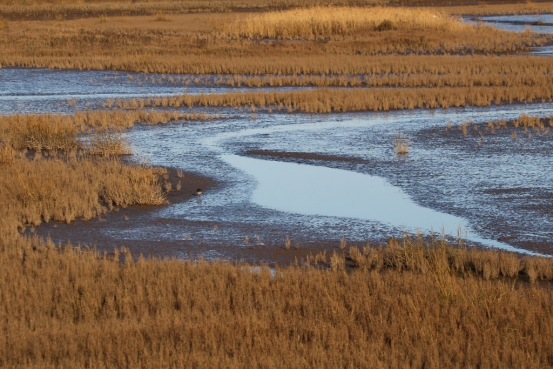
Tidal marshes typically form in sheltered coastal areas, such as estuaries, lagoons, and bays, where sediment deposition is high and wave action is minimized. The dominant vegetation consists of salt-tolerant plants, primarily grasses like Spartina (cordgrass) and Salicornia (glasswort), which are crucial for stabilizing sediments and building up the marsh elevation. The formation process is a slow, continuous dance between sediment accumulation, plant growth, and sea-level dynamics. As tides bring in fine sediments, the vegetation traps them, gradually raising the marsh surface. Over centuries, this process creates a complex network of channels, creeks, and intertidal flats. The historical context shows that many ancient coastal communities settled near marshes, leveraging their rich fisheries, though often without full appreciation of their broader ecological roles.
Unique Biodiversity and Ecosystem Services
Despite their seemingly harsh environment, tidal marshes are teeming with life, supporting an incredible array of biodiversity. They serve as essential nursery grounds for numerous fish and shellfish species, including commercially important ones, making them vital for coastal fisheries. Migratory birds rely on marshes for feeding and nesting, utilizing the rich invertebrate populations and sheltered habitats. Beyond supporting wildlife, tidal marshes provide a multitude of ecosystem services that directly benefit human populations. These include natural water filtration, removing pollutants and excess nutrients from runoff before it reaches open waters, and acting as a buffer against coastal erosion. The intricate root systems of marsh plants bind the soil, preventing sediment loss, while the dense vegetation dissipates wave energy, protecting shorelines from the destructive forces of storms.

The Unsung Heroes: Tidal Marshes in Climate Change Mitigation
The role of tidal marshes as a primary defense against climate change is increasingly recognized by scientists and policymakers worldwide. Their capacity to both mitigate greenhouse gas emissions and adaptively protect coastlines positions them as critical natural infrastructure. This “trump card” status is derived from specific, quantifiable ecological functions that directly address the most pressing challenges of a warming planet. Understanding the mechanisms behind these functions is key to appreciating their value and advocating for their protection.
Carbon Sequestration: Blue Carbon Powerhouses
One of the most significant contributions of tidal marshes is their exceptional ability to sequester carbon, often referred to as “blue carbon.” Unlike terrestrial forests, which store carbon primarily in biomass above ground, tidal marshes store vast amounts of carbon in their waterlogged soils. The anaerobic (oxygen-poor) conditions beneath the surface significantly slow down decomposition rates, allowing organic matter to accumulate over millennia. This means that marsh soils can store carbon at rates far exceeding those of most terrestrial ecosystems, sometimes by factors of 10 to 50. The “why” here is simple yet profound: without oxygen, the microbes that break down organic matter cannot function efficiently, locking carbon away for extended periods. Protecting and restoring these blue carbon ecosystems is a highly effective strategy for reducing atmospheric CO2 concentrations and mitigating climate change.
Coastal Protection: Buffering Against Storm Surges and Erosion
As sea levels rise and extreme weather events become more frequent and intense, coastal communities face unprecedented risks from storm surges and erosion. Tidal marshes offer a natural, resilient solution. The dense network of marsh vegetation and their underlying root systems act as a living breakwater. They reduce wave energy by up to 90% in some cases, significantly dampening the force of incoming waves and storm surges before they reach developed areas. This physical buffering capacity protects infrastructure, homes, and lives more effectively and often more sustainably than artificial structures like seawalls, which can exacerbate erosion elsewhere. Furthermore, marshes can naturally accrete sediment and build vertically in response to rising sea levels, offering a dynamic and adaptive form of protection that rigid human-made structures cannot replicate.
Water Quality Improvement and Pollution Filtration
Beyond climate mitigation and coastal defense, tidal marshes play a crucial role in maintaining water quality. They act as natural filters, trapping sediments and absorbing excess nutrients (like nitrogen and phosphorus) from agricultural runoff and urban wastewater before these pollutants reach sensitive coastal waters. This filtration process helps prevent harmful algal blooms, protects fisheries, and preserves the health of adjacent marine ecosystems like oyster reefs and seagrass beds. The extensive root systems of marsh plants, combined with the microbial activity in their soils, are highly effective at breaking down or sequestering various contaminants, contributing significantly to the overall health of coastal environments.

Threats to Tidal Marshes: A Call to Action
Despite their immense value, tidal marshes are among the most threatened ecosystems globally. Human activities, compounded by the accelerating impacts of climate change, have led to significant marsh degradation and loss. Understanding these threats is the first step towards formulating effective conservation strategies and ensuring these vital ecosystems continue to provide their invaluable services.
Sea Level Rise and Coastal Development Pressures
Paradoxically, while marshes help mitigate the impacts of sea level rise (SLR), they are also highly vulnerable to it. If the rate of SLR exceeds the marsh’s ability to accrete sediment and build vertically, they can become submerged and “drown.” This vulnerability is exacerbated by coastal development, which often prevents marshes from migrating inland as sea levels rise—a process known as “coastal squeeze.” Historically, marshes have shifted inland with changing sea levels, but human infrastructure like roads, buildings, and seawalls now block this natural migration pathway, leading to a net loss of marsh habitat. The historical trend of filling marshes for development, viewed as waste ground, has only intensified this problem.
Pollution and Human Impact
Tidal marshes are highly susceptible to various forms of pollution originating from both land and sea. Runoff from agricultural areas carries pesticides and herbicides, while urban and industrial discharge introduces heavy metals, plastics, and other toxic substances. Oil spills can devastate marsh vegetation, smothering plants and disrupting the delicate ecological balance. Dredging for navigation channels also directly destroys marsh habitat and alters hydrological patterns, affecting sediment flow and salinity regimes. These human impacts weaken the resilience of marshes, making them less capable of withstanding the pressures of climate change.
Invasive Species and Habitat Degradation
The introduction of non-native, invasive species poses another significant threat to tidal marshes. Species like Phragmites australis (common reed) can outcompete native marsh plants, forming dense monocultures that reduce biodiversity and alter the marsh’s ecological structure and function. Invasive species can also change hydrology, sediment dynamics, and even carbon sequestration capacity. Habitat degradation, stemming from activities like excessive recreational use, trampling, or unsustainable resource extraction, further fragments and weakens marsh ecosystems, making them more vulnerable to other stressors.
Conservation Strategies: Protecting Our Natural Defenses
Safeguarding tidal marshes requires a multi-faceted approach that integrates scientific understanding, policy frameworks, and active restoration efforts. The “what” of conservation must be underpinned by “how” to implement these strategies effectively, recognizing the intricate ecological processes at play.
Restoration and Rehabilitation Projects
Active restoration is a critical component of marsh conservation. This includes projects aimed at re-establishing degraded marshes or creating new ones. Techniques often involve sediment nourishment (adding sediment to raise marsh elevation), planting native marsh vegetation, and restoring natural hydrological connections by removing barriers like dikes or culverts. Detailed procedures for successful restoration require careful planning, including site assessment, hydrological modeling, and long-term monitoring. Common pitfalls include using inappropriate plant species, failing to address underlying hydrological issues, or lack of community support. Successful restoration not only brings back ecological function but also enhances blue carbon storage and coastal resilience.
Policy and Regulatory Frameworks
Robust policy and regulatory frameworks are essential for protecting existing tidal marshes and promoting their restoration. This includes legislation that designates marshes as protected areas, regulates coastal development, controls pollution, and mandates environmental impact assessments for projects affecting wetlands. Zoning regulations can prevent coastal squeeze by establishing “marsh migration corridors” that allow marshes to shift inland with rising sea levels. International agreements and national laws, such as the Ramsar Convention on Wetlands, provide a global framework for wetland conservation, encouraging signatory nations to protect and wisely use their wetlands, including tidal marshes.
Community Engagement and Education
Long-term conservation success hinges on public awareness and community engagement. Educating local communities about the value of tidal marshes—their role in protecting homes, supporting fisheries, and fighting climate change—can foster a sense of stewardship. Volunteer programs for marsh restoration, citizen science initiatives, and eco-tourism opportunities can directly involve people in conservation efforts. When communities understand the direct benefits, they are more likely to support protective policies and sustainable practices, thereby becoming active guardians of their local tidal marshes.
Pro Tips for Tidal Marsh Advocacy & Support
Becoming an effective advocate for tidal marsh conservation requires understanding key strategies and impactful actions. Here are some expert tips to make a difference:
- Educate Yourself and Others: Deepen your knowledge about local tidal marsh ecosystems, their specific species, and the threats they face. Share this information with friends, family, and local decision-makers.
- Support Local Conservation Groups: Join or donate to organizations actively working on marsh restoration and protection in your area. They often have the scientific expertise and political leverage to enact change.
- Participate in Citizen Science: Many organizations run programs where volunteers can help monitor marsh health, track bird populations, or assist with cleanup efforts. Your data can contribute to broader scientific understanding and policy decisions.
- Advocate for Green Infrastructure: Encourage your local government to prioritize nature-based solutions like marsh restoration over traditional “hard” infrastructure (seawalls, bulkheads) for coastal protection.
- Reduce Your Ecological Footprint: Minimize pollution by properly disposing of waste, reducing plastic use, and supporting sustainable agriculture. Less runoff means healthier marshes.
- Vote and Engage with Policy Makers: Support elected officials who champion environmental protection and wetland conservation. Contact your representatives to express your concerns and advocate for stronger policies.
Tidal Marsh vs. Other Coastal Wetlands: A Comparative Analysis
While often grouped under the broad category of “wetlands,” tidal marshes possess distinct characteristics and provide unique services compared to other common coastal wetland types. Understanding these differences highlights the specific value of marshes.
| Feature | Tidal Marsh | Mangrove Forest | Salt Flat (Salina) |
|---|---|---|---|
| Dominant Vegetation | Salt-tolerant grasses (e.g., Spartina, Salicornia) | Salt-tolerant trees and shrubs (e.g., Rhizophora, Avicennia) | Sparse, low-lying halophytes or barren ground |
| Geographic Range | Temperate and Arctic/Antarctic coastlines | Tropical and subtropical coastlines | Arid and semi-arid coastal regions, often inland from marshes |
| Tidal Influence | Regular, daily inundation by tides | Regular, daily inundation by tides (intertidal zone) | Infrequent inundation, high evaporation leading to salt crusts |
| Carbon Storage | Extremely high, primarily in anaerobic soils (blue carbon) | Very high, in biomass and anaerobic soils (blue carbon) | Low to moderate, limited vegetation |
| Coastal Protection | Excellent wave dampening, sediment accretion, storm surge buffer | Excellent wave dampening, sediment trapping, hurricane protection | Limited, primarily as a buffer against high tides |
| Biodiversity | High, especially for fish nurseries, shellfish, migratory birds | Very high, unique marine and arboreal species, nurseries | Low, specialized extremophile organisms |
| Primary Threat | Sea level rise, coastal squeeze, pollution | Deforestation for aquaculture/development, sea level rise | Water diversion, salt extraction, climate change-induced aridity |
Frequently Asked Questions (FAQ)
- What is the main difference between a tidal marsh and a freshwater wetland?
- The primary difference lies in their salinity and tidal influence. Tidal marshes are coastal wetlands regularly inundated by saltwater or brackish water due to tides, supporting salt-tolerant vegetation. Freshwater wetlands, conversely, are fed by precipitation or freshwater runoff and lack tidal influence, hosting different plant and animal communities adapted to non-saline conditions.
- How do tidal marshes contribute to reducing greenhouse gases?
- Tidal marshes are highly efficient carbon sinks, often called “blue carbon” ecosystems. Their waterlogged, anaerobic soils slow down the decomposition of organic matter, allowing vast amounts of carbon to be stored for millennia. This process sequesters atmospheric carbon dioxide, significantly contributing to climate change mitigation efforts.
- Can tidal marshes keep pace with rising sea levels?
- Tidal marshes have a natural ability to accrete sediment and build vertically, which helps them keep pace with moderate rates of sea level rise. However, if the rate of sea level rise is too rapid, or if coastal development prevents them from migrating inland (coastal squeeze), they can become submerged and lost. Their ability to adapt is crucial but has limits.
- What are the most effective ways to protect and restore tidal marshes?
- Effective protection and restoration involve a combination of strategies: implementing strong policy and regulatory frameworks to prevent degradation, actively restoring degraded marshes through sediment nourishment and native planting, and fostering community engagement and education to build local stewardship. Protecting marsh migration corridors is also vital for their long-term survival.
- Why are tidal marshes important for fisheries?
- Tidal marshes serve as critical nursery grounds for a wide variety of fish and shellfish species, including many that are commercially important. The shallow, nutrient-rich waters and complex vegetation provide abundant food sources and shelter from predators, supporting the early life stages of these marine organisms before they move to deeper waters.