Educational notice: This site provides independent educational information only. Content about disasters, safety, health, survival, weapons, ecology, or environmental risk is not professional, medical, legal, engineering, emergency-response, or safety advice. Consult qualified professionals and official local authorities before making decisions.
The human body is an extraordinary tapestry of interconnected systems, each performing vital functions that sustain life and enable our interaction with the world. Among these, the pancreas, the eyes, and the nervous system stand out for their unique complexities and profound impact. While often discussed in isolation, understanding their individual roles and collective significance reveals the true marvel of biological engineering. This article embarks on an in-depth exploration of these three critical components, aiming to provide a comprehensive understanding of their functions, challenges, and underlying mechanisms.
The Pancreas: An Overlooked Digestive and Endocrine Powerhouse
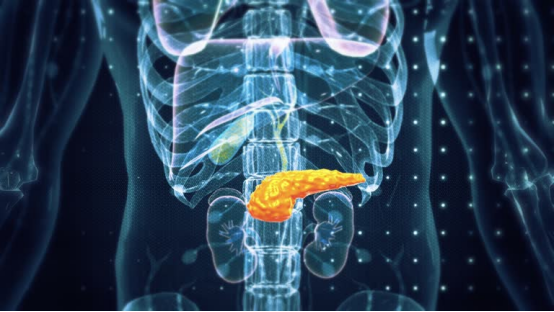
The pancreas, a gland nestled behind the stomach, often operates in the shadows, earning it the moniker of the “most stifled organ in the body.” Despite its understated presence, its contributions to human health are monumental, encompassing both digestive processes and crucial hormonal regulation. Its dual exocrine and endocrine functions make it indispensable for nutrient absorption and maintaining metabolic balance.
Exocrine Functions: The Digestive Enzymes
The exocrine portion of the pancreas is responsible for producing and secreting a potent cocktail of digestive enzymes. These enzymes are essential for breaking down the complex macromolecules that constitute our food into smaller, absorbable units. Without these pancreatic secretions, the body would struggle to extract vital nutrients from its diet.
- Amylase: This enzyme targets carbohydrates, initiating the breakdown of starches into simpler sugars.
- Lipase: Responsible for digesting fats, lipase breaks down triglycerides into fatty acids and glycerol, facilitating their absorption.
- Proteases (Trypsin and Chymotrypsin): These enzymes are critical for protein digestion, cleaving large protein molecules into amino acids, the building blocks of the body.
These enzymes are secreted in an inactive form (zymogens) to prevent self-digestion of the pancreas and are activated in the small intestine. The regulation of this process is a finely tuned mechanism, ensuring optimal digestion without compromising the integrity of the digestive tract.
Endocrine Functions: Hormonal Maestros
Beyond digestion, the pancreas houses specialized clusters of cells known as the Islets of Langerhans, which form its endocrine component. These cells produce and secrete vital hormones directly into the bloodstream, playing a pivotal role in regulating blood sugar levels.
- Insulin: Produced by beta cells, insulin is the primary hormone responsible for lowering blood glucose levels. It facilitates the uptake of glucose by cells for energy or storage as glycogen in the liver and muscles.
- Glucagon: Synthesized by alpha cells, glucagon acts antagonistically to insulin. It signals the liver to release stored glucose (glycogenolysis) and to synthesize new glucose (gluconeogenesis), thereby raising blood glucose levels when they drop too low.
The delicate interplay between insulin and glucagon is fundamental to maintaining glucose homeostasis. Disruptions in this balance can lead to serious metabolic disorders, most notably diabetes mellitus.
The Pancreas’s Vulnerabilities
Despite its critical roles, the pancreas is susceptible to various conditions, including pancreatitis (inflammation), cystic fibrosis, and cancer. These ailments often stem from a combination of genetic predisposition, lifestyle factors such as alcohol consumption and diet, and autoimmune responses. The “stifled” nature of the pancreas can sometimes mean that its distress signals are not as readily apparent, leading to delayed diagnosis and treatment.

The Eyes: Our Windows to the World and Their Complexities
The eyes are arguably the most visually striking and functionally demanding organs in the human body. They are constantly engaged, processing an immense amount of visual information that allows us to navigate, interact, and appreciate the world around us. Their complexity extends from the intricate structures that capture light to the sophisticated neural pathways that interpret these signals into a coherent perception of reality.
Anatomy of Vision: Capturing Light
The journey of light into creating a visual image involves several key anatomical components:
- Cornea: The transparent outer layer that covers the iris and pupil, the cornea refracts, or bends, most of the light that enters the eye.
- Iris and Pupil: The iris, the colored part of the eye, controls the size of the pupil, the opening that allows light to enter. In bright light, the iris constricts the pupil to limit light; in dim light, it dilates the pupil to allow more light in.
- Lens: Located behind the iris and pupil, the lens further refracts light and adjusts its shape (accommodation) to focus on objects at different distances.
- Retina: This light-sensitive tissue lining the back of the eye contains photoreceptor cells called rods and cones. Rods are responsible for vision in low light conditions and detecting motion, while cones are responsible for color vision and sharp detail in bright light.
The Visual Pathway: From Light to Perception
Once light strikes the retina, a remarkable electrochemical process begins:
- Photoreceptor cells (rods and cones) convert light energy into electrical signals.
- These signals are processed by other neurons in the retina, including bipolar cells and ganglion cells.
- The axons of ganglion cells converge to form the optic nerve.
- The optic nerve transmits these electrical signals to the brain, specifically to the visual cortex in the occipital lobe.
In the visual cortex, the signals are further processed, allowing us to recognize shapes, colors, movement, and depth, constructing our visual experience.
Challenges and “Buggy” Aspects of Vision
Despite their sophistication, eyes are susceptible to numerous issues, often referred to as “buggy” due to their prevalence and impact on daily life:
- Refractive Errors: Conditions like myopia (nearsightedness), hyperopia (farsightedness), and astigmatism occur when the eye’s shape or the cornea’s curvature prevents light from focusing precisely on the retina.
- Age-Related Macular Degeneration (AMD): A leading cause of vision loss in older adults, AMD affects the macula, the central part of the retina responsible for sharp, central vision.
- Cataracts: Clouding of the lens obstructs light passage, leading to blurred vision.
- Glaucoma: This condition damages the optic nerve, often due to elevated intraocular pressure, and can lead to irreversible vision loss.
- Digital Eye Strain: Prolonged screen time can cause discomfort, dry eyes, blurred vision, and headaches due to reduced blinking and focusing fatigue.
The constant demand placed on our eyes, coupled with environmental factors and the aging process, means that maintaining optimal eye health requires proactive care and awareness.

The Human Nervous System: The Body’s Master Control Network
The human nervous system is the ultimate command center, orchestrating every thought, sensation, movement, and bodily function. It is an incredibly complex network of nerves and cells that transmit signals between different parts of the body. At its core is the brain, a marvel of biological engineering that manages an astonishing array of processes with remarkable efficiency.
Components of the Nervous System
The nervous system is broadly divided into two main parts:
- Central Nervous System (CNS): Comprising the brain and spinal cord, the CNS acts as the primary information processing center. The brain interprets sensory input and sends motor commands, while the spinal cord serves as the communication highway between the brain and the rest of the body, also mediating reflexes.
- Peripheral Nervous System (PNS): This network extends throughout the body, connecting the CNS to muscles, organs, and sensory receptors. It is further divided into the somatic nervous system (voluntary control of skeletal muscles) and the autonomic nervous system (involuntary control of internal organs, such as heart rate, digestion, and breathing).
The Brain’s Incredible Power Efficiency
One of the most astonishing aspects of the human brain is its energy efficiency. Despite its immense processing power, the brain consumes a relatively small amount of energy, typically around 20 watts. This is comparable to a dim light bulb, a stark contrast to the power required by modern supercomputers to perform even a fraction of the brain’s tasks.
This efficiency is achieved through several mechanisms:
- Neuronal Structure and Function: Neurons are highly specialized cells optimized for transmitting electrical and chemical signals. They communicate through synapses, which are highly efficient junctions that allow for precise signal transmission with minimal energy expenditure.
- Metabolic Pathways: The brain primarily uses glucose as its energy source, utilizing highly efficient metabolic pathways to generate ATP, the cell’s energy currency.
- Neural Networks and Plasticity: The brain’s ability to form and prune neural connections (plasticity) allows it to optimize its circuitry over time, discarding inefficient pathways and strengthening effective ones. This dynamic re-organization contributes to its energy efficiency.
- Glial Cells: These support cells, once thought to be passive, play active roles in maintaining neuronal health, regulating the synaptic environment, and even contributing to information processing, all while being metabolically efficient.
How the Brain Controls the Entire Body
The brain’s control over the body is achieved through a continuous feedback loop of sensory input and motor output:
- Sensory Input: Receptors throughout the body detect stimuli (e.g., touch, temperature, pain, light, sound) and send signals via the PNS to the CNS. The brain processes this information, allowing us to perceive our environment and internal state.
- Motor Output: Based on sensory input and internal processing, the brain generates motor commands that are sent via the PNS to muscles and glands, initiating actions and regulating bodily functions. This can range from voluntary movements like walking to involuntary processes like regulating blood pressure.
- Homeostasis: The brain, particularly the hypothalamus and brainstem, plays a crucial role in maintaining homeostasis – the stable internal environment necessary for survival. It constantly monitors and adjusts physiological parameters like body temperature, heart rate, and hormone levels.
The intricate communication between neurons, facilitated by neurotransmitters and electrical impulses, ensures that every part of the body receives precise instructions and sends vital information back to the brain, creating a seamless and responsive organism.

Interconnectivity and Systemic Health
The profound interconnectedness of the pancreas, eyes, and nervous system underscores a fundamental principle of human biology: the body functions as an integrated whole. A disruption in one system inevitably impacts others, highlighting the importance of a holistic approach to health and well-being.
The Pancreas’s Influence on Other Systems
Disruptions in pancreatic function, particularly diabetes, can have far-reaching consequences. High blood sugar levels can damage blood vessels throughout the body, leading to:
- Diabetic Retinopathy: Damage to the blood vessels in the retina, a leading cause of blindness.
- Neuropathy: Nerve damage, which can affect sensation, motor control, and autonomic functions, often starting in the extremities.
Conversely, stress, which heavily impacts the nervous system, can influence the pancreas by altering hormone release, potentially affecting insulin sensitivity and digestive enzyme secretion.
The Nervous System’s Role in Sensory Perception and Regulation
The nervous system is the conduit through which the brain receives information from the eyes and the rest of the body, enabling us to understand and respond to our environment. The brain’s ability to process visual information from the eyes is paramount for spatial navigation, recognizing threats, and social interaction. Furthermore, the autonomic nervous system regulates many functions related to digestion, including the secretion of pancreatic enzymes, demonstrating a direct link between neural activity and pancreatic exocrine function.
Maintaining Optimal Function Through Balanced Lifestyles
Given the intricate relationships between these systems, maintaining overall health requires attention to factors that support each one:
- Balanced Diet: Crucial for providing the energy and nutrients for the pancreas, brain, and eyes, while also helping to regulate blood sugar.
- Regular Exercise: Improves insulin sensitivity, cardiovascular health (which supports blood flow to the eyes and brain), and overall nervous system function.
- Adequate Sleep: Essential for neural repair, hormone regulation, and cognitive function.
- Stress Management: Chronic stress can negatively impact all three systems; techniques like mindfulness and meditation can mitigate these effects.
- Regular Medical Check-ups: Early detection and management of conditions affecting the pancreas, eyes, or nervous system are critical for preventing long-term complications.

Future Directions in Understanding and Treating Organ Systems
Ongoing research continues to push the boundaries of our understanding of the pancreas, eyes, and nervous system, promising innovative diagnostic and therapeutic approaches.
Advancements in Pancreatic Research
Scientists are exploring novel strategies for treating pancreatic diseases, including:
- Stem Cell Therapy: Investigating the potential of stem cells to regenerate damaged pancreatic tissue, particularly for type 1 diabetes.
- Gene Therapy: Targeting specific genetic mutations that predispose individuals to pancreatic cancer or other disorders.
- Minimally Invasive Surgical Techniques: Improving outcomes and reducing recovery times for pancreatic surgeries.
Innovations in Ophthalmic Care
The field of ophthalmology is rapidly evolving with:
- Gene Editing for Inherited Eye Diseases: CRISPR-based therapies are showing promise in correcting genetic defects causing conditions like Leber congenital amaurosis.
- Advanced Retinal Prosthetics: Developing artificial retinas to restore vision for individuals with severe vision loss.
- AI-Powered Diagnostics: Utilizing artificial intelligence to analyze retinal scans for early detection of diseases like diabetic retinopathy and glaucoma.
Neuroscience Frontiers
The study of the nervous system is yielding groundbreaking insights:
- Brain-Computer Interfaces (BCIs): Enabling individuals with paralysis to control external devices with their thoughts.
- Neurofeedback and Neurostimulation: Therapies aimed at modulating brain activity to treat conditions such as depression, anxiety, and chronic pain.
- Understanding Neurodegenerative Diseases: Unraveling the complex mechanisms behind Alzheimer’s, Parkinson’s, and ALS to develop effective treatments and cures.

Conclusion: Appreciating the Body’s Intricate Design
The pancreas, eyes, and nervous system, though distinct in their primary functions, are intrinsically linked components of the human organism. The pancreas’s role in metabolism, the eyes’ function as our primary sensory interface with the external world, and the nervous system’s role as the master conductor all contribute to our survival, interaction, and experience of life. Understanding the complexities of these organs, their vulnerabilities, and their interconnectedness is crucial for promoting individual health and advancing medical science. As research continues to unveil the marvels of our biological makeup, we gain a deeper appreciation for the intricate and powerful design of the human body.
Frequently Asked Questions (FAQ)
- What is the primary function of the pancreas?
- The pancreas has two primary functions: exocrine, where it produces digestive enzymes like amylase, lipase, and proteases to break down food in the small intestine; and endocrine, where it produces hormones like insulin and glucagon from the Islets of Langerhans to regulate blood sugar levels.
- How do the eyes enable us to see?
- Light enters the eye and is refracted by the cornea and lens, focusing on the retina at the back. Photoreceptor cells (rods and cones) in the retina convert this light into electrical signals, which are then processed and transmitted via the optic nerve to the brain’s visual cortex for interpretation as images.
- Why is the brain considered highly energy-efficient?
- The human brain operates on approximately 20 watts of power due to its optimized neuronal structure, efficient metabolic pathways, adaptive neural networks, and the supportive roles of glial cells. This allows it to perform complex computations with minimal energy consumption compared to artificial systems.
- What is the relationship between the pancreas and diabetes?
- Diabetes mellitus is primarily a disorder of the pancreas. Type 1 diabetes occurs when the pancreas produces little or no insulin, while type 2 diabetes involves insulin resistance or insufficient insulin production. Both conditions result in elevated blood glucose levels due to the pancreas’s inability to effectively regulate blood sugar.
- How does the nervous system control involuntary bodily functions?
- The autonomic nervous system, a part of the peripheral nervous system, controls involuntary functions like heart rate, digestion, respiration, and glandular secretions. It operates largely unconsciously, using two branches – the sympathetic (fight-or-flight) and parasympathetic (rest-and-digest) nervous systems – to maintain homeostasis and respond to environmental demands.