
Humanity’s Ultimate Survival: From Doomsday Weapons to a Multi-Planetary Civilization
Educational notice: This site provides independent educational information only. Content about disasters, safety, health, survival, weapons, ecology, or environmental risk is not professional, medical, legal, engineering, emergency-response, or safety advice. Consult qualified professionals and official local authorities before making decisions.
The Existential Threat: Evolution of Nuclear Weapons and Doomsday Scenarios
The dawn of the atomic age fundamentally altered the trajectory of human history, introducing the unprecedented capability for self-directed mass extinction. The evolution of nuclear weapons from rudimentary fission devices to complex, multi-stage thermonuclear warheads represents a terrifying acceleration of destructive physics. The Trinity test in 1945 unleashed a mere 21 kilotons of TNT equivalent, yet it proved that the fundamental binding energy of the atom could be weaponized. Within less than a decade, the military-industrial complex transitioned from atomic bombs (A-bombs) utilizing Uranium-235 and Plutonium-239 to hydrogen bombs (H-bombs) that leveraged nuclear fusion, increasing destructive yields by orders of magnitude.
The Shift to Thermonuclear Escalation
The transition from fission to fusion marked a critical pivot in global security paradigms. The Ivy Mike test in 1952 demonstrated the first successful detonation of a hydrogen bomb, yielding 10.4 megatons. This was not merely an incremental upgrade; it was a paradigm shift. Thermonuclear weapons utilize a primary fission reaction to generate the immense heat and pressure required to ignite a secondary fusion reaction in isotopes of hydrogen, such as deuterium and tritium. This unconstrained yield potential culminated in the Soviet Union’s Tsar Bomba in 1961, a monstrous 50-megaton device that remains the most powerful explosive ever detonated.
Understanding the mechanisms of these weapons is crucial to grasping the existential risk they pose to a single-planet civilization. The primary effects of a nuclear detonation are multi-dimensional and devastating:
- Thermal Radiation: A flash of intense heat capable of vaporizing materials and causing third-degree burns miles from the epicenter.
- Blast Wave: A supersonic wall of overpressure that flattens infrastructure and creates a localized vacuum, leading to catastrophic secondary winds.
- Ionizing Radiation: Immediate bursts of gamma rays and neutrons that cause acute cellular destruction and DNA mutation.
- Electromagnetic Pulse (EMP): A massive surge of electromagnetic energy capable of crippling modern electrical grids and communication networks across continental expanses.
These primary effects, while locally devastating, are compounded by the secondary effects of nuclear fallout and the potential for a “nuclear winter”—a scenario where stratospheric soot from burning cities blocks solar radiation, collapsing global agriculture and precipitating mass starvation.

The Cobalt Bomb Rumor: Separating Scientific Fact from Apocalyptic Fiction
Amidst the Cold War arms race, the theoretical concept of the “Cobalt Bomb” emerged as the ultimate doomsday device. First proposed by physicist Leo Szilard in 1950, the cobalt bomb was conceptualized not as a tactical weapon to win a war, but as a thought experiment to demonstrate that humanity could theoretically build a weapon capable of rendering the entire planet uninhabitable. The rumor of the cobalt bomb has permeated pop culture and geopolitical anxiety for decades, necessitating a rigorous scientific dissection.
The Physics of a Salted Weapon
A cobalt bomb belongs to a theoretical class of nuclear weapons known as “salted bombs.” The core design involves taking a standard thermonuclear weapon and encasing it in a jacket of ordinary, stable Cobalt-59. Upon detonation, the massive flux of high-energy neutrons released by the fusion reaction would bombard the Cobalt-59 shell, transmuting it into the highly radioactive isotope Cobalt-60.
The terror of Cobalt-60 lies in its specific half-life of 5.27 years. This duration is perfectly calibrated for maximum lethal disruption. It is long enough that the radioactive fallout would have time to settle globally before decaying, yet short enough that it releases its radiation intensely and rapidly. To survive a global cobalt fallout, humanity would need to remain in heavily shielded subterranean bunkers for decades, a logistical impossibility for the global population.
Despite the terrifying elegance of the physics, the cobalt bomb remains largely a myth in terms of actual military deployment. The strategic logic of nuclear deterrence relies on Mutual Assured Destruction (MAD), which necessitates a habitable world to “win” or defend. A weapon designed explicitly to exterminate all life, including the aggressor, holds zero tactical value. Furthermore, the technical challenges of ensuring the complete transmutation of the cobalt jacket without it being blown apart prematurely by the primary explosion make the design highly inefficient compared to standard arsenals.

Beyond Nuclear: Are There Other Super Weapons Capable of Destroying Earth?
While nuclear weapons dominate the discourse on existential threats, the rapid advancement of theoretical physics and aerospace engineering has birthed speculations about other “super weapons.” The definition of destroying the Earth ranges from scouring the biosphere of life to physically shattering the planetary mass. The energy required to overcome Earth’s gravitational binding energy is roughly 2.24 × 10^32 Joules—an astronomical figure that renders the physical destruction of the planet practically impossible with current or foreseeable human technology. However, extinguishing the biosphere is a much lower threshold.
Theoretical Doomsday Technologies
Several concepts have been explored in both military think tanks and science fiction, representing potential existential threats that bypass traditional nuclear physics. These concepts highlight the terrifying potential of advanced technological civilizations.
| Weapon Concept | Mechanism of Action | Current Feasibility | Existential Risk Level |
|---|---|---|---|
| Antimatter Munitions | Matter-antimatter annihilation, yielding 100% mass-to-energy conversion. Millions of times more efficient than nuclear fusion. | Extremely Low. Producing and containing even microscopic amounts of antimatter currently requires massive particle accelerators and immense energy. | High (if mass-produced). Could trigger unstoppable atmospheric ignition. |
| Kinetic Bombardment | “Rods from God.” Dropping massive tungsten rods from orbital platforms. Kinetic energy alone creates nuclear-level devastation without fallout. | Moderate. The physics are sound, but the cost of lifting massive tungsten payloads into orbit currently outweighs the strategic benefit. | Low to Moderate. Devastating to specific targets, but unlikely to cause global biospheric collapse. |
| Engineered Pandemics | CRISPR-edited pathogens designed for maximum transmissibility, long incubation, and 100% lethality. | High. Biotechnology is advancing rapidly, decentralizing the ability to manipulate viral genomes. | Critical. Represents the most immediate non-nuclear threat to human survival. |
The chilling reality is that while we cannot physically shatter the Earth, we possess multiple theoretical and practical avenues to render its surface entirely hostile to our species. This realization serves as the ultimate catalyst for the argument that humanity must not keep all its evolutionary eggs in one planetary basket.

The Fragility of Earth: Why a Single-Planet Species is Destined for Extinction
The statistical probability of long-term survival for a species confined to a single biosphere approaches zero over a long enough timeline. The universe is inherently hostile. Earth’s geological and paleontological history is punctuated by at least five major mass extinction events, driven by phenomena ranging from asteroid impacts to massive volcanic outgassing. When we factor in anthropogenic threats—such as the aforementioned nuclear arsenals, runaway artificial intelligence, and severe climate destabilization—the fragility of Earth becomes the most pressing issue in human history.
The Great Filter and the Fermi Paradox
The urgency of becoming a multi-planetary civilization is deeply intertwined with the Fermi Paradox, which asks: If the universe is vast and old, where is everybody? One proposed solution is the “Great Filter” theory, which posits that there is an evolutionary or technological barrier that prevents civilizations from becoming interstellar. The terrifying question for humanity is whether this filter is behind us (e.g., the leap from single-celled to multicellular life) or ahead of us.
If the Great Filter lies ahead, it is highly probable that it involves a civilization discovering the means of its own destruction—such as nuclear or biological super weapons—before it develops the capacity to colonize other planets. Therefore, the deliberate, coordinated effort to establish permanent, self-sustaining human settlements off-world is not merely a scientific adventure; it is the deliberate act of bypassing the Great Filter. A single-planet species is a sitting duck for cosmic anomalies and self-inflicted apocalypses. Redundancy is the fundamental principle of engineering, and it must become the fundamental principle of our biological survival.

The Ultimate Solution: Transitioning to a Multi-Planetary Civilization
To mitigate the existential risks posed by our own technological adolescence and the random violence of the cosmos, transitioning to a multi-planetary civilization is the only viable long-term strategy. This transition requires a profound shift in global resource allocation, transitioning from terrestrial infighting over diminishing resources to a unified outward expansion into the solar system. Mars stands out as the most logical and feasible first step in this monumental endeavor.
Why Mars is the Crucial First Stepping Stone
While the Moon offers a close testing ground for off-world technologies, Mars provides the necessary raw materials to support a truly independent, self-sustaining civilization. Venus is a pressurized inferno, and the moons of Jupiter and Saturn are currently too distant for rapid colonization. Mars strikes the perfect balance of proximity and potential.
- Resource Availability: Mars possesses vast quantities of water ice locked at its poles and beneath the regolith, essential for life support and propellant production.
- Atmospheric Composition: Though thin, the Martian atmosphere is composed of 95% carbon dioxide. Through processes like the Sabatier reaction, this CO2 can be combined with hydrogen from water to create methane (CH4) and oxygen (O2) for rocket fuel.
- Day/Night Cycle: The Martian day (sol) is approximately 24 hours and 39 minutes, closely mirroring Earth’s circadian rhythms, which is vital for human biological and psychological well-being.
Establishing a permanent presence on Mars requires crossing the threshold from an “outpost” to a “colony.” An outpost relies entirely on resupply missions from Earth. If Earth were to suffer a catastrophic event—such as a global nuclear exchange—an outpost would simply starve. A true multi-planetary civilization requires the Martian settlement to achieve complete industrial and biological autarky, capable of surviving and expanding even if Earth goes dark.

Technological Milestones: Rockets, Propulsion, and Interplanetary Travel
The bridge between Earth and a multi-planetary future is built upon revolutionary advancements in aerospace engineering. The traditional paradigm of expendable launch vehicles made space travel prohibitively expensive, effectively bottlenecking our ability to move significant mass into orbit. The paradigm shift toward fully and rapidly reusable rocket architectures is the foundational technology that makes planetary colonization economically viable.
Advanced Propulsion and In-Situ Resource Utilization
Chemical propulsion, specifically methalox (liquid methane and liquid oxygen) engines, represents the current state-of-the-art for interplanetary transit. Methane burns cleanly, preventing soot buildup in reusable engines, and crucially, it can be synthesized on the surface of Mars. However, to truly open the solar system, we must look beyond chemical rockets.
Nuclear Thermal Propulsion (NTP) and Nuclear Electric Propulsion (NEP) represent the next leap in transit technology. By using a nuclear fission reactor to heat a propellant like liquid hydrogen, NTP can achieve specific impulses (a measure of engine efficiency) double that of the best chemical rockets. This drastically reduces transit times to Mars from seven months to potentially three months, significantly minimizing the crew’s exposure to deep-space radiation and microgravity.
Furthermore, In-Situ Resource Utilization (ISRU) is the cornerstone of off-world economics. ISRU involves harvesting local materials—mining regolith for construction via 3D printing, extracting subsurface ice for water, and capturing atmospheric gases. Without ISRU, every kilogram of material needed for survival must be dragged out of Earth’s deep gravity well, a logistical impossibility for building cities on other planets.

Biological and Evolutionary Adaptation for Off-World Survival
While engineers solve the physics of getting to Mars, biologists and medical professionals face the monumental task of keeping humans alive and healthy once they arrive. The human body is a highly specialized biological machine, fine-tuned over millions of years to thrive exclusively under Earth’s 1G gravity, protected by a thick atmosphere and a powerful magnetosphere. Stepping off Earth means stepping into an environment fundamentally hostile to our biology.
Overcoming Radiation, Microgravity, and Psychological Isolation
The two most insidious physical threats to interplanetary settlers are radiation and altered gravity. In deep space, humans are bombarded by Solar Particle Events (SPEs) and Galactic Cosmic Rays (GCRs). GCRs are particularly dangerous; these high-energy particles strip electrons from atoms within the human body, shattering DNA strands and drastically increasing the risk of severe cancers and central nervous system degradation. Shielding requires meters of water or regolith, meaning early Martian habitats will likely be subterranean.
Microgravity during transit, and the partial gravity of Mars (38% of Earth’s), induce rapid physiological degradation. The human body is brutally efficient; without the constant resistance of 1G, it immediately begins to shed muscle mass and bone density. Astronauts experience spaceflight osteopenia, losing up to 1-2% of their bone mass per month. Countermeasures currently involve rigorous, hours-long daily exercise regimes, but long-term multi-generational survival may require artificial gravity centrifuges or advanced pharmacological interventions.
- Fluid Shifts: In microgravity, bodily fluids shift upward, causing facial puffiness, increased intracranial pressure, and Spaceflight-Associated Neuro-ocular Syndrome (SANS), which degrades vision.
- Microbiome Alterations: The human gut microbiome, crucial for immunity and digestion, shifts unpredictably in sterile, closed-loop space environments, requiring carefully managed probiotic diets.
- Directed Evolution: Over centuries, a multi-planetary species will inevitably speciate. Martian colonists, subjected to different gravitational and radiation pressures, may genetically diverge from Earth-bound humans, representing the next grand chapter in human evolution.
Frequently Asked Questions (FAQ)
- Q1: What exactly is a cobalt bomb and has one ever been detonated?
- A cobalt bomb is a theoretical type of “salted” nuclear weapon. It involves wrapping a thermonuclear device in a shell of Cobalt-59. Upon detonation, the fusion neutrons transmute the shell into highly radioactive Cobalt-60, which has a half-life of 5.27 years, designed to create long-lasting, lethal global fallout. Fortunately, a cobalt bomb has never been built or detonated, as it offers no tactical military advantage and guarantees the destruction of the aggressor alongside the target.
- Q2: Why is becoming a multi-planetary civilization considered the only way to ensure human survival?
- Earth is vulnerable to both natural extinction events (like asteroid impacts and supervolcanoes) and anthropogenic threats (such as nuclear war, engineered pandemics, and runaway AI). By confining our entire species to a single biosphere, any planetary-scale catastrophe results in total extinction. Expanding to multiple planets provides biological and technological redundancy, ensuring that the human species can survive even if Earth is compromised.
- Q3: Can current nuclear weapons actually destroy the planet Earth?
- No. While the global nuclear arsenal is more than capable of destroying human civilization, collapsing the biosphere, and causing a nuclear winter, it cannot physically shatter the planet. The energy required to overcome Earth’s gravitational binding energy is vastly greater than the combined yield of all nuclear weapons ever created.
- Q4: How will humans survive the high radiation levels on Mars?
- Mars lacks a global magnetic field and has a very thin atmosphere, leaving the surface exposed to harsh solar and cosmic radiation. To survive, early colonists will likely live in subterranean habitats, utilizing the Martian regolith (soil) as natural shielding. Additionally, water—which is abundant in the form of ice on Mars—is an excellent radiation shield and can be built into the walls of surface structures.
- Q5: What is In-Situ Resource Utilization (ISRU) and why is it vital for Mars colonization?
- ISRU refers to the practice of harvesting and utilizing local resources on a foreign celestial body, rather than bringing everything from Earth. For Mars, this means extracting subsurface ice for drinking water, and utilizing the carbon dioxide atmosphere to synthesize methane and oxygen for rocket propellant (via the Sabatier reaction). ISRU is absolutely vital because the cost and logistics of launching all necessary survival materials from Earth’s deep gravity well are insurmountable.

The Evolutionary Mystery of Why Humans Love Cats and Dogs: A Guide to Self-Domestication
Educational notice: This site provides independent educational information only. Content about disasters, safety, health, survival, weapons, ecology, or environmental risk is not professional, medical, legal, engineering, emergency-response, or safety advice. Consult qualified professionals and official local authorities before making decisions.
The Biological Blueprint of the Human-Pet Bond
The intense affection humans feel for cats and dogs is not merely a cultural phenomenon; it is a complex biological interaction rooted in millions of years of evolution. At the heart of this connection is the “Oxytocin Loop.” When humans look into the eyes of their pets, both the human and the animal experience an increase in oxytocin, often referred to as the “love hormone.” This is the same chemical mechanism that facilitates bonding between a mother and her infant.
Beyond chemistry, the physical appearance of pets plays a significant role. Evolutionary biologists point to “neoteny,” the retention of juvenile features into adulthood. Large eyes, rounded faces, and floppy ears trigger an innate human “baby schema” response, making us feel a biological urge to protect and care for these creatures.
The Role of Neoteny in Pet Selection
Neoteny is a powerful evolutionary tool. By maintaining features that resemble human infants, dogs and cats have essentially hacked the human caregiving system. This survival strategy ensures they receive food, shelter, and protection, while humans receive emotional fulfillment and companionship.

Decoding the Self-Domestication Hypothesis
The “Self-Domestication Hypothesis” suggests that animals like dogs and cats were not initially captured and tamed by force. Instead, they “chose” to live near human settlements to access food scraps. Individuals with lower stress responses and reduced aggression had a survival advantage in these environments. Over generations, these “tamer” individuals bred together, leading to significant genetic and physical changes.
This process is linked to the “Neural Crest Theory.” Scientists believe that selecting for tameness affects the neural crest cells during embryonic development. These cells are responsible for both the adrenal system (fight or flight) and physical traits like pigmentation and cartilage. This explains why domesticated animals often have white patches of fur, curly tails, and floppy ears—traits rarely seen in their wild ancestors.
Comparative Analysis: Wild vs. Domesticated Traits
| Feature | Wild Ancestor (Wolf/Wildcat) | Domesticated Pet (Dog/Cat) |
|---|---|---|
| Aggression Levels | High (Survival-based) | Low (Socially-integrated) |
| Physical Markers | Uniform coloring, upright ears | Spotted coats, floppy ears (Neoteny) |
| Brain Size | Larger (Focus on hunting/survival) | Slightly smaller (Focus on social cues) |
| Social Interaction | Pack/Solitary hierarchy | Inter-species communication skills |

The Psychological and Physiological Impact on Humans
The benefits of the human-pet bond are measurable and profound. Studies have shown that interacting with a pet can lower cortisol levels (the primary stress hormone) and decrease blood pressure. For many, pets provide a sense of purpose and a non-judgmental source of social support, which is critical for mental health.
Furthermore, the presence of a pet can stimulate social interaction between humans. Dog owners, for example, are more likely to engage in conversations with neighbors, fostering a sense of community. This “social lubricant” effect is a byproduct of our shared evolutionary history with these animals.
Expert Advice: Maximizing the Bond
-
Engage in Eye Contact:
Spending a few minutes of quiet time looking at your pet can stimulate oxytocin production for both of you. -
Interactive Play:
Physical activity mimics the “cooperative hunting” instincts of dogs, strengthening the pack bond. -
Consistent Routine:
Domestication thrives on predictability; a stable routine reduces animal anxiety and strengthens trust.
Frequently Asked Questions (FAQ)
-
Did humans domesticate themselves as well?
- Yes, many scientists believe humans underwent a similar process of self-domestication. By selecting for more cooperative and less aggressive social partners, early humans developed flatter faces and smaller brows, similar to the changes seen in domesticated animals.
-
Why do cats purr when they are with humans?
- Purring is a multi-functional tool. While it often signifies contentment, the frequency of a cat’s purr (between 25 and 150 Hertz) has been shown to improve bone density and promote healing, suggesting a symbiotic health benefit for both cat and owner.
-
Is the bond with a dog different from the bond with a cat?
- While dogs are “cooperative” domesticates (working alongside humans), cats are often seen as “commensal” domesticates (living near humans for mutual benefit). However, both species utilize the same oxytocin-driven pathways to form deep emotional attachments.
-
What is the “Neural Crest” and why does it matter?
- The neural crest is a group of stem cells in embryos. Because these cells contribute to both the adrenal glands and physical features like ear cartilage, reducing fear (adrenal response) naturally leads to physical changes like floppy ears, a hallmark of domestication.
-
Can any animal be domesticated through this process?
- Not necessarily. Domestication requires specific traits, such as a flexible diet, a fast growth rate, and a social hierarchy that humans can integrate into. This is why we have domesticated dogs but not zebras or bears.

The Symbiotic Dance: How Hormones and Energy Fuel Life, Health, and Human Potential
Educational notice: This site provides independent educational information only. Content about disasters, safety, health, survival, weapons, ecology, or environmental risk is not professional, medical, legal, engineering, emergency-response, or safety advice. Consult qualified professionals and official local authorities before making decisions.
The Fundamental Interplay of Hormones and Energy
At the core of every living organism lies a sophisticated network of biochemical processes, driven by two inseparable forces: hormones and energy. Hormones act as crucial messengers, orchestrating virtually every physiological function, from growth and metabolism to mood and reproduction. Simultaneously, energy, derived from the nutrients we consume, provides the fuel for these processes to occur. Without a harmonious balance between hormonal regulation and robust energy production, the intricate machinery of life falters. This pillar page delves into the profound, often overlooked, symbiotic relationship between these two pillars of biology, dissecting how they collectively shape our health, vitality, and even our understanding of life itself.
Understanding this interplay is not merely an academic exercise; it’s a critical pathway to optimizing human health and performance. From the subtle nuances of cellular function to the grand narrative of evolutionary success, the dynamic balance between hormonal signals and energetic availability dictates our capacity to adapt, thrive, and experience a full, vibrant life. We will explore specific examples, such as the pivotal role of androgens in men’s health, and the universal principles of energy metabolism that underpin all biological activity, ultimately fusing these concepts into a cohesive framework for holistic well-being.

Testosterone: The Master Androgen and Its Multifaceted Impact
Among the pantheon of hormones, testosterone stands out as a primary androgen, a steroid hormone with profound and pervasive effects, especially in men. While often associated primarily with male reproductive health and secondary sexual characteristics, its influence extends far beyond, touching virtually every system in the body. Testosterone is a critical regulator of muscle mass, bone density, red blood cell production, fat distribution, mood, cognitive function, and cardiovascular health. Its multifaceted impact underscores its designation as a “master hormone” for male vitality.
Physiological Roles Beyond Reproduction
The widespread distribution of androgen receptors throughout the body highlights testosterone’s diverse functions. For instance, in skeletal muscle, testosterone promotes protein synthesis and inhibits protein breakdown, leading to increased muscle mass and strength. This anabolic effect is crucial for maintaining physical vigor throughout life. In the skeletal system, it plays a vital role in bone formation and maintenance, protecting against osteoporosis. Furthermore, testosterone influences erythropoiesis, the production of red blood cells, impacting energy levels and oxygen delivery. Its role in the central nervous system is equally significant, affecting mood, libido, spatial cognition, and overall sense of well-being. Studies have shown correlations between adequate testosterone levels and reduced risks of depression and anxiety.
- Muscle Development: Enhances protein synthesis, leading to increased muscle mass and strength.
- Bone Health: Contributes to bone mineral density, reducing osteoporosis risk.
- Red Blood Cell Production: Stimulates erythropoiesis, improving oxygen transport.
- Cognitive Function: Supports memory, focus, and spatial abilities.
- Mood Regulation: Positively impacts well-being, reducing symptoms of depression.
Signs and Consequences of Low Testosterone
When testosterone levels decline, a condition known as hypogonadism, men can experience a wide array of symptoms that significantly diminish quality of life. These symptoms are often subtle at first and can be misattributed to aging or other factors, leading to delayed diagnosis. Common indicators include persistent fatigue, reduced libido, erectile dysfunction, decreased muscle strength, increased body fat (particularly around the abdomen), reduced bone density, and mood disturbances such as irritability or depression. The long-term consequences of unaddressed low testosterone can be severe, including increased risk of cardiovascular disease, metabolic syndrome, and significant bone loss, underscoring the importance of early detection and management.
Optimizing Testosterone Levels: Lifestyle and Medical Approaches
Maintaining healthy testosterone levels involves a combination of lifestyle strategies and, in some cases, medical intervention. Lifestyle factors are paramount: regular resistance training and high-intensity interval training have been shown to naturally boost testosterone. A balanced diet rich in micronutrients, healthy fats, and adequate protein is also crucial, with specific attention to zinc, vitamin D, and magnesium. Chronic stress and poor sleep quality are significant suppressors of testosterone, making stress management techniques and consistent, high-quality sleep essential. For individuals with clinically low levels, Testosterone Replacement Therapy (TRT) may be prescribed by a physician after thorough evaluation, offering a pathway to alleviate symptoms and restore physiological balance.

Cellular Energy: The Engine of Life
While hormones direct the symphony of life, cellular energy provides the power for each note to be played. Every beat of the heart, every thought, every muscle contraction, and every synthesis of a new molecule depends on a constant supply of energy. This energy, primarily in the form of Adenosine Triphosphate (ATP), is the universal currency of the cell. Understanding how our bodies generate and utilize ATP is fundamental to comprehending vitality, performance, and the very continuum of life itself. The journey of energy begins with the food we eat and culminates in the intricate metabolic pathways within our cells.
ATP and Metabolic Pathways Explained
ATP is often referred to as the “energy currency” of the cell. It stores chemical energy in its phosphate bonds, releasing it when one of these bonds is broken to form ADP (Adenosine Diphosphate) and an inorganic phosphate. This energy release powers cellular work. The primary pathways for ATP production are glycolysis (anaerobic, occurs in cytoplasm), the Krebs cycle (aerobic, occurs in mitochondria), and oxidative phosphorylation (aerobic, occurs in mitochondria). Each pathway plays a distinct role, with oxidative phosphorylation being the most efficient, generating the vast majority of ATP under aerobic conditions. The efficiency of these pathways is critical for sustaining high-demand biological functions.
For example, during intense, short bursts of activity, muscles rely heavily on anaerobic glycolysis for rapid ATP production, leading to lactate accumulation. In contrast, during prolonged endurance activities, the body shifts to aerobic metabolism, primarily leveraging the Krebs cycle and oxidative phosphorylation to produce a sustained supply of ATP from fat and carbohydrate stores. The balance and interplay between these pathways are tightly regulated, adapting to the body’s immediate energy demands and nutrient availability.
Energy Sources: From Macronutrients to Mitochondria
Our energy derives from the macronutrients in our diet: carbohydrates, fats, and proteins. Each provides a different caloric yield and is processed through distinct metabolic routes before converging into the central energy-generating pathways. Carbohydrates are readily converted to glucose, which is the body’s preferred and most immediate source of energy. Fats, stored as triglycerides, are a highly concentrated energy source, providing more than double the energy per gram compared to carbohydrates or proteins. They are crucial for sustained energy and hormone synthesis. Proteins, while primarily building blocks, can also be catabolized for energy, especially during prolonged fasting or insufficient carbohydrate intake.
The mitochondria, often called the “powerhouses of the cell,” are central to this process. These organelles are responsible for the vast majority of ATP production through aerobic respiration. The health and efficiency of mitochondrial function are directly correlated with overall energy levels, metabolic health, and even the aging process. Factors like nutrient availability, oxidative stress, and physical activity profoundly impact mitochondrial performance, making them a key target for optimizing cellular energy.
The Energy Demands of Daily Life and Peak Performance
The human body’s energy demands fluctuate constantly. Even at rest, a significant amount of energy is expended to maintain basic physiological functions—the Basal Metabolic Rate (BMR). Beyond BMR, energy is required for digestion, physical activity, cognitive tasks, and immune responses. For individuals pursuing peak performance, whether in athletics, demanding professional roles, or creative endeavors, energy demands escalate dramatically. Insufficient energy intake or impaired energy production can lead to chronic fatigue, impaired cognitive function, weakened immunity, and a diminished capacity for physical exertion. Understanding these demands allows for strategic nutrient timing and lifestyle adjustments to support sustained energy and prevent burnout.

The Hormonal-Energetic Axis: A Feedback Loop
The relationship between hormones and energy is not a one-way street; it’s a dynamic, intricate feedback loop, often referred to as the hormonal-energetic axis. Hormones dictate how cells utilize energy, and conversely, energy availability profoundly influences hormone synthesis and signaling. This intricate dance ensures that the body can adapt to varying conditions, from periods of abundance to times of scarcity, optimizing survival and reproduction. Disruptions in this axis can lead to a cascade of health issues, highlighting the importance of maintaining its delicate balance.
How Hormones Influence Energy Metabolism
Many hormones directly regulate metabolic processes. For example, insulin, produced by the pancreas, is critical for glucose uptake by cells, thereby controlling blood sugar and energy storage. Thyroid hormones (T3 and T4) act as master regulators of metabolic rate, influencing how quickly cells convert nutrients into energy. Higher thyroid hormone levels generally lead to a higher metabolic rate. Cortisol, the primary stress hormone, mobilizes glucose from stores, providing rapid energy during stressful situations, but chronic elevation can lead to insulin resistance and fat accumulation. Even testosterone, as discussed, has direct metabolic effects, influencing body composition and glucose sensitivity.
Energy Availability and Hormonal Regulation
Just as hormones influence energy, the availability of energy feeds back to regulate hormone production. Chronic caloric restriction or insufficient nutrient intake can significantly disrupt hormonal balance. For instance, low energy availability can suppress reproductive hormones like testosterone and estrogen, leading to menstrual irregularities in women and reduced libido in men. This is an evolutionary adaptation to conserve energy during times of scarcity. Conversely, chronic energy surplus, particularly from unhealthy sources, can lead to insulin resistance and hormonal imbalances that contribute to conditions like type 2 diabetes and polycystic ovary syndrome (PCOS). The body’s intricate sensing mechanisms constantly monitor energy status to adjust hormonal output, ensuring physiological harmony.
Case Study: Exercise, Energy, and Androgen Response
Consider the interplay during exercise. Physical activity, especially resistance training, acutely increases energy demand. In response, the body mobilizes glucose and fatty acids for fuel. Simultaneously, exercise stimulates the release of growth hormone and testosterone, both of which are anabolic and aid in muscle repair and growth. The sustained energy availability post-exercise, combined with adequate protein and carbohydrates, creates an optimal environment for these hormones to exert their effects, leading to adaptation and improved physical capacity. However, if energy intake is insufficient to match the demands of intense training, the positive hormonal response can be blunted, potentially leading to overtraining syndrome, characterized by suppressed testosterone and elevated cortisol, alongside chronic fatigue and poor recovery.
| Hormone | Primary Metabolic Role | Impact of Imbalance (Energy Perspective) |
|---|---|---|
| Insulin | Glucose uptake, energy storage | Resistance leads to high blood sugar, low cellular energy |
| Thyroid Hormones | Regulates metabolic rate | Hypothyroidism (low energy), Hyperthyroidism (excessive energy expenditure) |
| Cortisol | Stress response, glucose mobilization | Chronic elevation leads to insulin resistance, fat storage, fatigue |
| Testosterone | Muscle growth, fat metabolism | Low levels impair muscle repair, increase fat, reduce vitality |

Beyond Biology: Energy, Reproduction, and the Universe
The “story of energy” extends far beyond the confines of individual biology, touching upon the very fabric of existence and the grand questions of the universe. From the energetic demands of reproduction, which drives evolution, to the cosmic energy cycles that birthed stars and elements, the concept of energy is a unifying principle. Our biological processes, fueled by the sun’s energy captured by plants, are but a small, yet profound, manifestation of universal energy transformations. Understanding this broader context enriches our appreciation for the intricate energy flows within our own bodies and their connection to the wider cosmos.
The Energetic Cost of Reproduction and Evolution
Reproduction is arguably the most energetically demanding biological process. From the production of gametes to gestation, birth, and parental care, significant energy resources are diverted to ensure the continuation of the species. In males, testosterone synthesis and sperm production require substantial metabolic investment. In females, pregnancy and lactation represent extreme energy expenditures. This high energetic cost has shaped evolutionary strategies, leading to trade-offs between reproduction, growth, and survival. Species that can efficiently acquire and allocate energy are more likely to successfully reproduce and pass on their genes. This fundamental energetic imperative underpins the entire evolutionary narrative, favoring traits that optimize energy acquisition, storage, and utilization for reproductive success.
The Cosmic Energy Cycle and Biological Existence
Our biological existence is intrinsically linked to the cosmic energy cycle. The energy that fuels life on Earth originates from the sun through nuclear fusion. Photosynthesis, carried out by plants, converts this solar energy into chemical energy in the form of glucose and other organic compounds. This stored energy then flows through food chains, ultimately reaching humans. The elements that constitute our bodies—carbon, oxygen, nitrogen—were forged in the hearts of stars, released in supernovae, and eventually coalesced into planets. Thus, we are literally made of stardust, animated by solar energy, and governed by the same fundamental laws of thermodynamics that dictate the universe. From the Big Bang’s initial energy burst to the ongoing expansion and cooling of the universe, energy is the constant, transforming but never truly disappearing, driving both galactic evolution and the intricate cellular processes within us.

Optimizing Your Hormonal and Energy Blueprint
Given the profound and interconnected roles of hormones and energy, actively optimizing this blueprint is paramount for sustained health, vitality, and resilience. This involves a holistic approach that addresses nutrition, lifestyle, stress, and, when necessary, targeted medical support. The goal is not merely to alleviate symptoms but to create an internal environment where the body’s natural regulatory systems can function optimally, fostering a state of robust well-being and peak performance. By understanding and respecting the intricate feedback loops, individuals can make informed choices to support their hormonal and energetic health.
Nutrition Strategies for Hormonal Balance and Energy
Diet plays a foundational role in both hormone production and energy metabolism. A whole-foods-based diet rich in diverse nutrients is essential. For hormonal health, adequate intake of healthy fats (monounsaturated and omega-3 fatty acids) is critical, as cholesterol is the precursor for all steroid hormones, including testosterone. Micronutrients like zinc, selenium, magnesium, and B vitamins are cofactors in numerous enzymatic reactions involved in hormone synthesis and metabolism. For energy, complex carbohydrates provide sustained glucose release, while lean proteins support muscle maintenance and satiety. Avoiding highly processed foods, excessive sugar, and inflammatory oils can reduce metabolic stress and improve insulin sensitivity, thereby supporting both energy levels and hormonal equilibrium.
- Healthy Fats: Crucial for steroid hormone synthesis (e.g., avocados, nuts, olive oil).
- Quality Protein: Supports muscle, satiety, and amino acid precursors for neurotransmitters.
- Complex Carbohydrates: Provide sustained energy and replenish glycogen stores.
- Micronutrients: Zinc, Vitamin D, Magnesium, B vitamins are vital cofactors.
- Hydration: Essential for all metabolic processes and cellular function.
The Role of Sleep and Stress Management
Chronic sleep deprivation and unmanaged stress are potent disruptors of the hormonal-energetic axis. Poor sleep significantly impairs hormone regulation, leading to reduced testosterone, elevated cortisol, and impaired insulin sensitivity. Aim for 7-9 hours of quality sleep per night, prioritizing a consistent sleep schedule and creating a conducive sleep environment. Similarly, chronic stress keeps cortisol levels persistently high, which can suppress other hormones, deplete energy reserves, and contribute to weight gain and metabolic dysfunction. Incorporating stress management techniques such as mindfulness, meditation, deep breathing exercises, spending time in nature, or engaging in hobbies can significantly mitigate these negative effects, allowing the body to return to a state of balance and repair.
Targeted Supplementation and Medical Guidance
While lifestyle interventions are primary, targeted supplementation can play a supportive role for certain individuals. For example, Vitamin D supplementation is often recommended, as deficiency is widespread and linked to lower testosterone levels and impaired energy. Omega-3 fatty acids can reduce inflammation, which indirectly supports hormonal balance. Adaptogens like Ashwagandha may help modulate the stress response. However, it is crucial to approach supplementation with caution and always under the guidance of a qualified healthcare professional. For individuals with clinically diagnosed hormonal imbalances or chronic energy disorders, medical interventions, such as Testosterone Replacement Therapy (TRT) or specific metabolic treatments, might be necessary. A thorough diagnostic evaluation, including blood tests for hormone levels and metabolic markers, is the first step towards personalized and effective management.
Frequently Asked Questions (FAQ)
- Q1: What is the primary role of androgens like testosterone in men’s health?
- Androgens, with testosterone being the most prominent, play a critical role in developing and maintaining male reproductive tissues and secondary sexual characteristics. Beyond this, testosterone profoundly impacts muscle mass and strength, bone density, red blood cell production, fat distribution, libido, mood, and cognitive function. It is essential for overall vitality and metabolic health.
- Q2: How does cellular energy production relate to overall health and well-being?
- Cellular energy production, primarily through ATP, is the fundamental process that fuels all physiological functions, from basic cellular maintenance to complex activities like thinking, movement, and immune response. Efficient energy production ensures optimal organ function, mental clarity, physical endurance, and a robust immune system. Impaired energy production can lead to chronic fatigue, metabolic disorders, and accelerated aging.
- Q3: Can lifestyle changes significantly impact both hormone levels and energy?
- Absolutely. Lifestyle factors are paramount. Regular exercise (especially resistance training), a balanced diet rich in whole foods and healthy fats, adequate sleep (7-9 hours), and effective stress management techniques can significantly improve hormonal balance and optimize cellular energy production. These interventions can naturally enhance testosterone levels, improve insulin sensitivity, and boost overall vitality.
- Q4: What are the risks associated with chronic low testosterone or persistent energy deficiency?
- Chronic low testosterone (hypogonadism) in men can lead to reduced muscle mass, increased body fat, decreased bone density (osteoporosis), low libido, erectile dysfunction, mood disturbances, and an increased risk of cardiovascular disease and metabolic syndrome. Persistent energy deficiency, often stemming from poor diet, chronic stress, or sleep deprivation, can result in chronic fatigue, impaired cognitive function, weakened immunity, and a higher susceptibility to various chronic diseases.
- Q5: How do hormones and energy influence aspects like libido and mood?
- Hormones, particularly sex hormones like testosterone, directly influence libido by acting on brain regions involved in sexual desire. Adequate energy is also crucial, as sexual activity is energetically demanding. For mood, hormones like testosterone and thyroid hormones impact neurotransmitter systems, influencing feelings of well-being, motivation, and resilience. Energy availability ensures the brain has sufficient fuel for optimal cognitive and emotional processing. Imbalances in either can lead to reduced libido, irritability, depression, and anxiety.
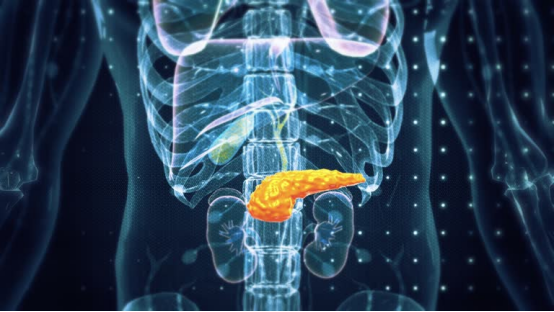
The Astonishing Human Body: Unveiling the Secrets of the Pancreas, Eyes, and Nervous System
Educational notice: This site provides independent educational information only. Content about disasters, safety, health, survival, weapons, ecology, or environmental risk is not professional, medical, legal, engineering, emergency-response, or safety advice. Consult qualified professionals and official local authorities before making decisions.
The human body is an extraordinary tapestry of interconnected systems, each performing vital functions that sustain life and enable our interaction with the world. Among these, the pancreas, the eyes, and the nervous system stand out for their unique complexities and profound impact. While often discussed in isolation, understanding their individual roles and collective significance reveals the true marvel of biological engineering. This article embarks on an in-depth exploration of these three critical components, aiming to provide a comprehensive understanding of their functions, challenges, and underlying mechanisms.
The Pancreas: An Overlooked Digestive and Endocrine Powerhouse
The pancreas, a gland nestled behind the stomach, often operates in the shadows, earning it the moniker of the “most stifled organ in the body.” Despite its understated presence, its contributions to human health are monumental, encompassing both digestive processes and crucial hormonal regulation. Its dual exocrine and endocrine functions make it indispensable for nutrient absorption and maintaining metabolic balance.
Exocrine Functions: The Digestive Enzymes
The exocrine portion of the pancreas is responsible for producing and secreting a potent cocktail of digestive enzymes. These enzymes are essential for breaking down the complex macromolecules that constitute our food into smaller, absorbable units. Without these pancreatic secretions, the body would struggle to extract vital nutrients from its diet.
- Amylase: This enzyme targets carbohydrates, initiating the breakdown of starches into simpler sugars.
- Lipase: Responsible for digesting fats, lipase breaks down triglycerides into fatty acids and glycerol, facilitating their absorption.
- Proteases (Trypsin and Chymotrypsin): These enzymes are critical for protein digestion, cleaving large protein molecules into amino acids, the building blocks of the body.
These enzymes are secreted in an inactive form (zymogens) to prevent self-digestion of the pancreas and are activated in the small intestine. The regulation of this process is a finely tuned mechanism, ensuring optimal digestion without compromising the integrity of the digestive tract.
Endocrine Functions: Hormonal Maestros
Beyond digestion, the pancreas houses specialized clusters of cells known as the Islets of Langerhans, which form its endocrine component. These cells produce and secrete vital hormones directly into the bloodstream, playing a pivotal role in regulating blood sugar levels.
- Insulin: Produced by beta cells, insulin is the primary hormone responsible for lowering blood glucose levels. It facilitates the uptake of glucose by cells for energy or storage as glycogen in the liver and muscles.
- Glucagon: Synthesized by alpha cells, glucagon acts antagonistically to insulin. It signals the liver to release stored glucose (glycogenolysis) and to synthesize new glucose (gluconeogenesis), thereby raising blood glucose levels when they drop too low.
The delicate interplay between insulin and glucagon is fundamental to maintaining glucose homeostasis. Disruptions in this balance can lead to serious metabolic disorders, most notably diabetes mellitus.
The Pancreas’s Vulnerabilities
Despite its critical roles, the pancreas is susceptible to various conditions, including pancreatitis (inflammation), cystic fibrosis, and cancer. These ailments often stem from a combination of genetic predisposition, lifestyle factors such as alcohol consumption and diet, and autoimmune responses. The “stifled” nature of the pancreas can sometimes mean that its distress signals are not as readily apparent, leading to delayed diagnosis and treatment.

The Eyes: Our Windows to the World and Their Complexities
The eyes are arguably the most visually striking and functionally demanding organs in the human body. They are constantly engaged, processing an immense amount of visual information that allows us to navigate, interact, and appreciate the world around us. Their complexity extends from the intricate structures that capture light to the sophisticated neural pathways that interpret these signals into a coherent perception of reality.
Anatomy of Vision: Capturing Light
The journey of light into creating a visual image involves several key anatomical components:
- Cornea: The transparent outer layer that covers the iris and pupil, the cornea refracts, or bends, most of the light that enters the eye.
- Iris and Pupil: The iris, the colored part of the eye, controls the size of the pupil, the opening that allows light to enter. In bright light, the iris constricts the pupil to limit light; in dim light, it dilates the pupil to allow more light in.
- Lens: Located behind the iris and pupil, the lens further refracts light and adjusts its shape (accommodation) to focus on objects at different distances.
- Retina: This light-sensitive tissue lining the back of the eye contains photoreceptor cells called rods and cones. Rods are responsible for vision in low light conditions and detecting motion, while cones are responsible for color vision and sharp detail in bright light.
The Visual Pathway: From Light to Perception
Once light strikes the retina, a remarkable electrochemical process begins:
- Photoreceptor cells (rods and cones) convert light energy into electrical signals.
- These signals are processed by other neurons in the retina, including bipolar cells and ganglion cells.
- The axons of ganglion cells converge to form the optic nerve.
- The optic nerve transmits these electrical signals to the brain, specifically to the visual cortex in the occipital lobe.
In the visual cortex, the signals are further processed, allowing us to recognize shapes, colors, movement, and depth, constructing our visual experience.
Challenges and “Buggy” Aspects of Vision
Despite their sophistication, eyes are susceptible to numerous issues, often referred to as “buggy” due to their prevalence and impact on daily life:
- Refractive Errors: Conditions like myopia (nearsightedness), hyperopia (farsightedness), and astigmatism occur when the eye’s shape or the cornea’s curvature prevents light from focusing precisely on the retina.
- Age-Related Macular Degeneration (AMD): A leading cause of vision loss in older adults, AMD affects the macula, the central part of the retina responsible for sharp, central vision.
- Cataracts: Clouding of the lens obstructs light passage, leading to blurred vision.
- Glaucoma: This condition damages the optic nerve, often due to elevated intraocular pressure, and can lead to irreversible vision loss.
- Digital Eye Strain: Prolonged screen time can cause discomfort, dry eyes, blurred vision, and headaches due to reduced blinking and focusing fatigue.
The constant demand placed on our eyes, coupled with environmental factors and the aging process, means that maintaining optimal eye health requires proactive care and awareness.

The Human Nervous System: The Body’s Master Control Network
The human nervous system is the ultimate command center, orchestrating every thought, sensation, movement, and bodily function. It is an incredibly complex network of nerves and cells that transmit signals between different parts of the body. At its core is the brain, a marvel of biological engineering that manages an astonishing array of processes with remarkable efficiency.
Components of the Nervous System
The nervous system is broadly divided into two main parts:
- Central Nervous System (CNS): Comprising the brain and spinal cord, the CNS acts as the primary information processing center. The brain interprets sensory input and sends motor commands, while the spinal cord serves as the communication highway between the brain and the rest of the body, also mediating reflexes.
- Peripheral Nervous System (PNS): This network extends throughout the body, connecting the CNS to muscles, organs, and sensory receptors. It is further divided into the somatic nervous system (voluntary control of skeletal muscles) and the autonomic nervous system (involuntary control of internal organs, such as heart rate, digestion, and breathing).
The Brain’s Incredible Power Efficiency
One of the most astonishing aspects of the human brain is its energy efficiency. Despite its immense processing power, the brain consumes a relatively small amount of energy, typically around 20 watts. This is comparable to a dim light bulb, a stark contrast to the power required by modern supercomputers to perform even a fraction of the brain’s tasks.
This efficiency is achieved through several mechanisms:
- Neuronal Structure and Function: Neurons are highly specialized cells optimized for transmitting electrical and chemical signals. They communicate through synapses, which are highly efficient junctions that allow for precise signal transmission with minimal energy expenditure.
- Metabolic Pathways: The brain primarily uses glucose as its energy source, utilizing highly efficient metabolic pathways to generate ATP, the cell’s energy currency.
- Neural Networks and Plasticity: The brain’s ability to form and prune neural connections (plasticity) allows it to optimize its circuitry over time, discarding inefficient pathways and strengthening effective ones. This dynamic re-organization contributes to its energy efficiency.
- Glial Cells: These support cells, once thought to be passive, play active roles in maintaining neuronal health, regulating the synaptic environment, and even contributing to information processing, all while being metabolically efficient.
How the Brain Controls the Entire Body
The brain’s control over the body is achieved through a continuous feedback loop of sensory input and motor output:
- Sensory Input: Receptors throughout the body detect stimuli (e.g., touch, temperature, pain, light, sound) and send signals via the PNS to the CNS. The brain processes this information, allowing us to perceive our environment and internal state.
- Motor Output: Based on sensory input and internal processing, the brain generates motor commands that are sent via the PNS to muscles and glands, initiating actions and regulating bodily functions. This can range from voluntary movements like walking to involuntary processes like regulating blood pressure.
- Homeostasis: The brain, particularly the hypothalamus and brainstem, plays a crucial role in maintaining homeostasis – the stable internal environment necessary for survival. It constantly monitors and adjusts physiological parameters like body temperature, heart rate, and hormone levels.
The intricate communication between neurons, facilitated by neurotransmitters and electrical impulses, ensures that every part of the body receives precise instructions and sends vital information back to the brain, creating a seamless and responsive organism.

Interconnectivity and Systemic Health
The profound interconnectedness of the pancreas, eyes, and nervous system underscores a fundamental principle of human biology: the body functions as an integrated whole. A disruption in one system inevitably impacts others, highlighting the importance of a holistic approach to health and well-being.
The Pancreas’s Influence on Other Systems
Disruptions in pancreatic function, particularly diabetes, can have far-reaching consequences. High blood sugar levels can damage blood vessels throughout the body, leading to:
- Diabetic Retinopathy: Damage to the blood vessels in the retina, a leading cause of blindness.
- Neuropathy: Nerve damage, which can affect sensation, motor control, and autonomic functions, often starting in the extremities.
Conversely, stress, which heavily impacts the nervous system, can influence the pancreas by altering hormone release, potentially affecting insulin sensitivity and digestive enzyme secretion.
The Nervous System’s Role in Sensory Perception and Regulation
The nervous system is the conduit through which the brain receives information from the eyes and the rest of the body, enabling us to understand and respond to our environment. The brain’s ability to process visual information from the eyes is paramount for spatial navigation, recognizing threats, and social interaction. Furthermore, the autonomic nervous system regulates many functions related to digestion, including the secretion of pancreatic enzymes, demonstrating a direct link between neural activity and pancreatic exocrine function.
Maintaining Optimal Function Through Balanced Lifestyles
Given the intricate relationships between these systems, maintaining overall health requires attention to factors that support each one:
- Balanced Diet: Crucial for providing the energy and nutrients for the pancreas, brain, and eyes, while also helping to regulate blood sugar.
- Regular Exercise: Improves insulin sensitivity, cardiovascular health (which supports blood flow to the eyes and brain), and overall nervous system function.
- Adequate Sleep: Essential for neural repair, hormone regulation, and cognitive function.
- Stress Management: Chronic stress can negatively impact all three systems; techniques like mindfulness and meditation can mitigate these effects.
- Regular Medical Check-ups: Early detection and management of conditions affecting the pancreas, eyes, or nervous system are critical for preventing long-term complications.

Future Directions in Understanding and Treating Organ Systems
Ongoing research continues to push the boundaries of our understanding of the pancreas, eyes, and nervous system, promising innovative diagnostic and therapeutic approaches.
Advancements in Pancreatic Research
Scientists are exploring novel strategies for treating pancreatic diseases, including:
- Stem Cell Therapy: Investigating the potential of stem cells to regenerate damaged pancreatic tissue, particularly for type 1 diabetes.
- Gene Therapy: Targeting specific genetic mutations that predispose individuals to pancreatic cancer or other disorders.
- Minimally Invasive Surgical Techniques: Improving outcomes and reducing recovery times for pancreatic surgeries.
Innovations in Ophthalmic Care
The field of ophthalmology is rapidly evolving with:
- Gene Editing for Inherited Eye Diseases: CRISPR-based therapies are showing promise in correcting genetic defects causing conditions like Leber congenital amaurosis.
- Advanced Retinal Prosthetics: Developing artificial retinas to restore vision for individuals with severe vision loss.
- AI-Powered Diagnostics: Utilizing artificial intelligence to analyze retinal scans for early detection of diseases like diabetic retinopathy and glaucoma.
Neuroscience Frontiers
The study of the nervous system is yielding groundbreaking insights:
- Brain-Computer Interfaces (BCIs): Enabling individuals with paralysis to control external devices with their thoughts.
- Neurofeedback and Neurostimulation: Therapies aimed at modulating brain activity to treat conditions such as depression, anxiety, and chronic pain.
- Understanding Neurodegenerative Diseases: Unraveling the complex mechanisms behind Alzheimer’s, Parkinson’s, and ALS to develop effective treatments and cures.

Conclusion: Appreciating the Body’s Intricate Design
The pancreas, eyes, and nervous system, though distinct in their primary functions, are intrinsically linked components of the human organism. The pancreas’s role in metabolism, the eyes’ function as our primary sensory interface with the external world, and the nervous system’s role as the master conductor all contribute to our survival, interaction, and experience of life. Understanding the complexities of these organs, their vulnerabilities, and their interconnectedness is crucial for promoting individual health and advancing medical science. As research continues to unveil the marvels of our biological makeup, we gain a deeper appreciation for the intricate and powerful design of the human body.
Frequently Asked Questions (FAQ)
- What is the primary function of the pancreas?
- The pancreas has two primary functions: exocrine, where it produces digestive enzymes like amylase, lipase, and proteases to break down food in the small intestine; and endocrine, where it produces hormones like insulin and glucagon from the Islets of Langerhans to regulate blood sugar levels.
- How do the eyes enable us to see?
- Light enters the eye and is refracted by the cornea and lens, focusing on the retina at the back. Photoreceptor cells (rods and cones) in the retina convert this light into electrical signals, which are then processed and transmitted via the optic nerve to the brain’s visual cortex for interpretation as images.
- Why is the brain considered highly energy-efficient?
- The human brain operates on approximately 20 watts of power due to its optimized neuronal structure, efficient metabolic pathways, adaptive neural networks, and the supportive roles of glial cells. This allows it to perform complex computations with minimal energy consumption compared to artificial systems.
- What is the relationship between the pancreas and diabetes?
- Diabetes mellitus is primarily a disorder of the pancreas. Type 1 diabetes occurs when the pancreas produces little or no insulin, while type 2 diabetes involves insulin resistance or insufficient insulin production. Both conditions result in elevated blood glucose levels due to the pancreas’s inability to effectively regulate blood sugar.
- How does the nervous system control involuntary bodily functions?
- The autonomic nervous system, a part of the peripheral nervous system, controls involuntary functions like heart rate, digestion, respiration, and glandular secretions. It operates largely unconsciously, using two branches – the sympathetic (fight-or-flight) and parasympathetic (rest-and-digest) nervous systems – to maintain homeostasis and respond to environmental demands.

Human Evolution Unlocked: Are We Still Evolving & What If We Were Cold-Blooded?
Educational notice: This site provides independent educational information only. Content about disasters, safety, health, survival, weapons, ecology, or environmental risk is not professional, medical, legal, engineering, emergency-response, or safety advice. Consult qualified professionals and official local authorities before making decisions.
The human species often perceives itself as the pinnacle of evolution, a finished product that has mastered its environment. With advancements in medicine, technology, and agriculture, it’s a common misconception that we have stepped outside the forces of natural selection. However, the biological narrative of humanity is far from over. Evolution is not a destination but a continuous process of adaptation, and it is actively shaping our species today in ways both subtle and profound. Understanding this ongoing transformation is key to comprehending our present and future.
This guide explores the dual nature of our biological story. First, we will examine the irrefutable evidence that human evolution is still happening, driven by new selective pressures in our modern world. Then, we will venture into a fascinating thought experiment: what if a fundamental trait of our biology—our warm-blooded nature—had evolved differently? By imagining a world where humans are cold-blooded, we can gain a deeper appreciation for the intricate trade-offs that have defined our existence and our dominance on this planet.
The Unseen Engine: Is Human Evolution Still Happening?
The idea that human evolution has ceased is a pervasive myth. It stems from the belief that our technological prowess and medical breakthroughs have created a buffer against the harsh realities of natural selection. While we have certainly changed our environment, we have not eliminated evolutionary pressures; we have merely altered them. Evolution continues to work through mechanisms like natural selection and genetic drift, responding to everything from our diets to the diseases we face.
Debunking the Myth: Why Evolution Never Stops
Evolution is defined as a change in the heritable characteristics of biological populations over successive generations. As long as there is genetic variation within a population and not every individual reproduces equally, evolution will occur. Modern medicine saves people from diseases that would have once been fatal, but it doesn’t stop evolution. Instead, it creates new selective pressures. For instance, the ability to metabolize modern processed foods or resist chronic illnesses like heart disease may now be more evolutionarily advantageous than surviving a specific infectious disease of the past.
Tangible Evidence of Recent Human Evolution
Scientists have identified numerous traits that have emerged or become more common in human populations over just the last few thousand years—a blink of an eye in evolutionary time. These are not theoretical concepts but observable changes in our collective biology.
- Lactase Persistence: Most mammals lose the ability to digest lactose (milk sugar) after infancy. However, in populations with a long history of dairy farming, such as in Europe and parts of Africa, a genetic mutation for lactase persistence became widespread. This allowed adults to gain a rich source of calories and nutrients, providing a significant survival advantage.
- The Disappearance of Wisdom Teeth: Our ancestors needed large, powerful jaws and a full set of molars to chew tough, uncooked foods. With the advent of cooking and softer diets, our jaws have become smaller. As a result, many people today are born without wisdom teeth (a condition called agenesis), as there is no longer a strong selective pressure to keep them.
- Disease Resistance: Our genes continue to adapt to pathogens. A prime example is the CCR5-delta 32 mutation, which provides resistance to HIV. This mutation is most common in Europeans, and scientists theorize it may have originally offered protection against another plague, such as smallpox. Similarly, sickle-cell traits, while causing disease, provide significant resistance to malaria in certain African populations.
- Adaptation to High Altitudes: Populations living in high-altitude regions like Tibet and the Andes have evolved distinct physiological traits to cope with low-oxygen environments. These include a higher capacity to carry oxygen in the blood and different breathing patterns, all developed in just a few thousand years.

A Hypothetical Leap: What if Humans Were Cold-Blooded?
Our status as warm-blooded creatures is a cornerstone of our biology. But what if our evolutionary path had led us to be cold-blooded? This thought experiment reveals how deeply our physiology, behavior, and even our global civilization are tied to our internal furnace. It requires us to reimagine humanity from the ground up.
Understanding Ectothermy vs. Endothermy
Humans are endotherms, meaning we generate our own body heat internally, maintaining a constant temperature of around 37°C (98.6°F). This process, known as thermoregulation, is incredibly energy-intensive. In contrast, ectotherms (cold-blooded animals) like reptiles rely on external sources like the sun to regulate their body temperature. Their metabolic rate is significantly lower, allowing them to survive on far less food.
The Physiological Transformation of a Cold-Blooded Human
If humans were ectothermic, our entire biology would be rewritten. The most significant change would be a drastic reduction in our metabolic rate. While this would make us incredibly energy-efficient, it would come at a steep price.
- Energy and Metabolism: A cold-blooded human might only need to eat one large meal a week, or even less. The constant, voracious need for calories that drives much of our agriculture and economy would vanish.
- Brain Function and Size: The human brain is an energy hog, consuming about 20% of our total calories. It’s unlikely an ectothermic body could support such a metabolically expensive organ. A cold-blooded human would likely have a smaller, less complex brain, which would fundamentally alter our capacity for abstract thought, tool use, and complex social structures.
- Activity Levels: Our energy and ability to move would be entirely dependent on the ambient temperature. Mornings would be slow and sluggish until we could “charge up” in the sun. Bursts of intense activity would be possible but would require long recovery periods. Sustained physical labor or endurance running would be nearly impossible.
A Complete Lifestyle and Societal Overhaul
The daily life and societal structure of a cold-blooded humanity would be unrecognizable. Our relationship with the environment would be one of direct dependency.
- Daily Routines: The day would revolve around thermoregulation. Mornings would involve “basking” on sun-warmed surfaces. The hottest parts of the day might be for peak activity like hunting or building, while colder nights would necessitate seeking shelter in insulated burrows or heated structures.
- Diet and Hunting: With a slower metabolism, our dietary needs would shift from constant grazing to opportunistic, large meals. Hunting strategies might favor ambush tactics over persistence hunting.
- Global Distribution and Housing: Human civilization would be confined to the world’s warmest climates, clustering around the equator. Cold regions like the Arctic and temperate zones would be largely uninhabitable. Architecture would prioritize thermal mass—think thick stone or adobe walls that absorb heat during the day and radiate it at night.

The Interplay of Past, Present, and Hypothetical Futures
Contrasting the reality of our ongoing evolution with the hypothetical scenario of being cold-blooded provides a powerful lens through which to view our species. It highlights the critical trade-offs that have defined our success and underscores the profound impact of a single biological trait like endothermy.
How Our Warm-Blooded Nature Shaped Our Evolutionary Path
Being warm-blooded was a key enabler of human dominance. It granted us freedom from the environment, allowing us to be active at any time of day or night and in nearly any climate. This consistency fueled the development of our large brains, which in turn led to complex societies, language, and technology. Our ability to colonize every continent on Earth is a direct result of our internal heating system. We did not have to cluster in the tropics; we could carry our tropical internal environment with us wherever we went.
Lessons from Hypotheticals: Understanding Our Biological Strengths
The cold-blooded human thought experiment reveals that our greatest strength—our intelligence—is metabolically inseparable from what might seem like a weakness: our constant, demanding need for energy. The incredible inefficiency of our warm-blooded metabolism is precisely what buys us the cognitive and physical consistency to innovate, build, and out-think our environmental limitations. We traded the energy efficiency of a reptile for the world-shaping power of a persistent, complex brain.

The Future Trajectory of Human Biological Change
Given that evolution is an ongoing process, what can we expect for the future of our species? While prediction is inherently difficult, we can identify the major forces that will likely shape our descendants. The pressures are no longer just about surviving the elements, but about navigating a world of our own creation.
Predicting Future Evolutionary Trends
Scientists speculate on several potential future trends based on current pressures. With C-sections mitigating the selective pressure of childbirth, head sizes may continue to increase. As we spend more time processing digital information, perhaps our brains will evolve different cognitive structures. Genes that help metabolize sugars and fats or confer resistance to modern ailments like autoimmune disorders and cancers will likely become more common.
The Impact of Genetic Engineering and Bio-hacking
For the first time in history, we have the ability to direct our own evolution. Technologies like CRISPR gene editing could allow us to eliminate genetic diseases, enhance physical or cognitive abilities, and fundamentally alter our biological blueprint. This introduces a new paradigm of “intelligent evolution” that operates on a much faster timescale than natural selection. The ethical and societal implications of this power will be one of the defining challenges of the coming centuries.
Adapting to New Environments: Space and Beyond
As humanity looks towards becoming a multi-planetary species, we will face entirely new and extreme selective pressures. Life in low-gravity environments on the Moon or Mars will favor different body types and physiological functions. Over many generations, space-faring humans could diverge significantly from their Earth-bound counterparts, potentially leading to the emergence of a new human subspecies adapted for life beyond our home world.
Frequently Asked Questions (FAQ)
- Hasn’t modern medicine stopped human evolution?
- No, it has not stopped evolution, but it has changed the selective pressures. Instead of selecting for resistance to acute infectious diseases, evolution may now be selecting for traits that combat chronic, modern ailments like heart disease, diabetes, and certain cancers. Technology and medicine are now part of our evolutionary environment.
- What is the single biggest advantage of being warm-blooded?
- The greatest advantage is consistency. Being warm-blooded allows us to maintain a high level of physical and cognitive function regardless of the external temperature. This frees us from environmental constraints, enabling us to be active at night, live in cold climates, and, most importantly, fuel a large, energy-hungry brain capable of complex thought and innovation.
- Could humans realistically survive if they were cold-blooded?
- Humans as we know them could not. Our intelligence, culture, and technology are all products of our energy-intensive, warm-blooded brains. A cold-blooded human species would be fundamentally different, likely with a smaller brain, a much slower pace of life, and a civilization geographically restricted to the planet’s warmest regions. They would survive, but not as the globally dominant species we are today.
- What are some of the most recent signs of human evolution?
- Beyond the well-known examples like lactose tolerance, recent studies have shown ongoing adaptations. For example, some populations are developing genetic resistance to urban air pollution. Scientists have also noted a widespread decrease in average human body temperature over the last century, though the exact evolutionary reasons are still being investigated. Another example is the increasing prevalence of an extra artery in the forearm, a trait that was rarer in centuries past.
- How is our diet continuing to shape our evolution?
- Our modern diet, rich in processed foods, sugars, and fats, is a powerful selective force. Individuals with genetic variations that allow them to better metabolize these foods without developing conditions like type 2 diabetes or obesity may have a reproductive advantage. Over long periods, this could lead to widespread genetic shifts in how our species processes energy from food.

Unlocking Biological Mysteries: Evolution’s Greatest Quirks
Educational notice: This site provides independent educational information only. Content about disasters, safety, health, survival, weapons, ecology, or environmental risk is not professional, medical, legal, engineering, emergency-response, or safety advice. Consult qualified professionals and official local authorities before making decisions.
The Evolutionary Arms Race: Why Prey Doesn’t Always Become Unpalatable
One of the most persistent questions in evolutionary biology is why all prey species—both flora and fauna—have not simply evolved to be highly toxic or utterly unpalatable. On the surface, developing a foul taste or lethal toxicity seems like the ultimate defense mechanism against predation. However, evolution is not a straightforward trajectory toward invulnerability; it is a complex economy of energy allocation, ecological trade-offs, and relentless co-evolutionary arms races.
The High Energy Cost of Chemical Defenses
Producing toxins, alkaloids, or specialized unpalatable compounds requires a massive metabolic investment. Organisms have a finite pool of energy derived from their environment, which must be partitioned among growth, reproduction, and defense. If a plant or animal diverts too much energy into synthesizing complex chemical deterrents, it invariably compromises its reproductive output or physical growth rate.
- Metabolic Trade-offs: Species that invest heavily in toxicity often grow much slower than their non-toxic counterparts, making them vulnerable to environmental changes or out-competition for resources.
- Resource Allocation: Synthesizing defensive chemicals requires specific nutrients, such as nitrogen, which are often scarce in natural environments.
- Autotoxicity Risks: Organisms must also evolve internal mechanisms to prevent their own toxins from poisoning their cellular structures, adding another layer of biological expense.
Because of these immense costs, many species rely on alternative, less metabolically draining survival strategies, such as rapid reproduction rates, camouflage, or physical speed. In many ecosystems, simply out-breeding the rate of predation is a far more efficient evolutionary strategy than becoming universally unpalatable.
The Red Queen Hypothesis and Co-Evolution
Even when a species does manage to evolve a potent chemical defense, the evolutionary narrative does not end there. The “Red Queen Hypothesis” dictates that species must constantly adapt and evolve not just for reproductive advantage, but simply to survive against ever-evolving opposing organisms. When a prey species becomes toxic, predator species face intense selective pressure to develop biological resistances or specialized digestive enzymes to neutralize those specific toxins.
This creates a perpetual biological arms race. For instance, the monarch butterfly evolved to sequester toxic cardenolides from milkweed plants, making it unpalatable to most birds. However, certain predators, like the black-headed grosbeak, have evolved specific genetic mutations that render them immune to these toxins, allowing them to feast on the monarchs regardless. Thus, total unpalatability is an evolutionary illusion; nature always finds a biological workaround.
Mutualism and the Strategy of Being Consumed
In the botanical world, being eaten is not always a negative outcome; in fact, it is often a highly sophisticated reproductive strategy. Many plants have evolved to be explicitly palatable—producing sweet, nutrient-dense fruits—to entice animals into consuming them. This mutualistic relationship ensures seed dispersal across vast geographic areas.
If these plants evolved to be entirely unpalatable, their seeds would simply drop at the base of the parent plant, leading to intense resource competition and localized population collapse. Therefore, palatability is a vital evolutionary tool for genetic proliferation, proving that avoiding consumption is not always the ultimate biological goal.

Mammalian Constraints in the Deep: The Case of Whales and Gills
Whales have spent approximately 50 million years adapting to a fully aquatic lifestyle, evolving streamlined bodies, blubber for insulation, and flippers for navigation. Yet, despite their complete reliance on the ocean, they have never evolved gills. This apparent inefficiency—forcing massive marine creatures to continuously surface for air—is a textbook example of evolutionary path dependency and the extraordinary efficiency of the mammalian lung.
Dollo’s Law of Irreversibility
The primary reason whales do not have gills is rooted in Dollo’s Law of Irreversibility, a principle suggesting that an organism cannot return to a previous evolutionary state once it has undergone significant complex transformations. Whales descended from terrestrial, four-legged mammals (like the Pakicetus) that had already fully developed lungs and lost the genetic blueprints for gills hundreds of millions of years prior, when their tetrapod ancestors first left the oceans.
Evolution lacks foresight. It cannot spontaneously generate entirely new, highly complex respiratory organs from scratch. Instead, it modifies existing structures. For whales, evolution heavily modified their nasal passages (migrating them to the top of the head to form blowholes) and vastly increased their lung capacity and oxygen-storing myoglobin in their muscles, rather than attempting the impossible task of re-evolving gills.
The Metabolic Superiority of Mammalian Lungs
Beyond genetic constraints, there is a profound physiological reason why lungs are vastly superior to gills for marine mammals. Whales are endothermic (warm-blooded) creatures with massive brains and highly active lifestyles. Maintaining this internal body temperature in the cold, heat-sapping environment of the ocean requires an astronomical metabolic rate, which in turn demands a massive and rapid supply of oxygen.
- Oxygen Concentration Differences: Air contains roughly 21% oxygen by volume, whereas even the most highly oxygenated seawater contains less than 1% dissolved oxygen.
- Extraction Efficiency: Lungs allow whales to extract large volumes of oxygen rapidly from the atmosphere. If a whale had to rely on gills, it would have to process biologically impossible volumes of water every second just to sustain its baseline metabolic rate.
- Heat Retention: Pumping cold ocean water continuously across highly vascularized gills would result in catastrophic heat loss. Lungs allow whales to keep their respiratory surfaces internalized, preserving vital body heat.
Therefore, surfacing to breathe is not an evolutionary failure; it is the exact mechanism that permits whales to grow to colossal sizes, maintain high intelligence, and dominate the marine food web.

The Vulnerability of Rest: Why Humans Sleep Lying Down
While many ungulates (like horses and cows) sleep standing up, and many predators sleep in semi-alert crouched positions, human beings require a completely prone or supine, deeply vulnerable posture to achieve restful sleep. This biological quirk is deeply intertwined with our evolutionary history, our neurological requirements for REM sleep, and the unique environmental niches our ancestors carved out.
REM Sleep Atonia and Muscle Paralysis
The most critical biological factor dictating the human sleeping posture is our profound need for Rapid Eye Movement (REM) sleep. Humans spend a significantly higher percentage of their sleep cycle in REM compared to most other mammals. REM sleep is crucial for cognitive maintenance, memory consolidation, and emotional regulation—all vital functions for a highly intelligent, social species.
During REM sleep, the human brain induces a state known as REM atonia, a temporary but near-total paralysis of the voluntary skeletal muscles. This mechanism prevents us from physically acting out our vivid dreams, which could lead to severe injury. Because of this complete loss of muscle tone, it is biomechanically impossible for a human to remain standing or perched in a tree while achieving deep REM sleep. A lying down posture provides the necessary passive support for a paralyzed musculoskeletal system.
The Transition from Arboreal to Terrestrial Sleep
The evolutionary shift from sleeping in trees to sleeping on the ground was a monumental turning point for early hominins. Arboreal primates, like chimpanzees, build nests in trees to avoid ground-dwelling predators, but their sleep is often fragmented and lighter due to the constant risk of falling. When early humans transitioned to terrestrial life, they required a new strategy to safely achieve the deep, restorative sleep necessary to fuel their rapidly expanding brains.
- The Mastery of Fire: The domestication of fire was the primary catalyst. Fire provided warmth, light, and a powerful deterrent against nocturnal predators, creating a localized safe zone.
- Social Sentinel Systems: Early humans developed complex social structures where individuals would sleep in shifts. With designated lookouts standing guard, the rest of the tribe could afford the luxury of lying down in deep, vulnerable sleep.
- Shelter Construction: The eventual development of physical shelters further insulated humans from environmental threats, solidifying the prone sleeping posture as the standard human resting state.
Ultimately, lying down to sleep is an evolutionary luxury. It is a posture earned through the mastery of the environment, allowing human neurology to prioritize deep cognitive maintenance over constant physical vigilance.

Culinary Evolution: Crustaceans vs. Arachnids on the Dinner Plate
Crabs and spiders share a striking morphological resemblance. Both are arthropods with jointed legs, exoskeletons, and complex, segmented bodies. Yet, crabs are globally celebrated as a high-end culinary delicacy, while spiders evoke deep-seated disgust and are rarely consumed outside of highly specific regional traditions. This divergence in human perception is driven by a combination of anatomical realities, evolutionary psychology, and historical dietary patterns.
Anatomical Differences and Meat Yield
The most pragmatic reason for this culinary divide lies in the anatomical composition of the creatures themselves. Despite their outward similarities, the internal structures of crustaceans and arachnids are vastly different in ways that directly impact their viability as a food source.
| Biological Trait | Crustaceans (e.g., Crabs, Lobsters) | Arachnids (e.g., Spiders, Scorpions) |
|---|---|---|
| Internal Composition | Dense, fibrous muscle tissue highly concentrated in the claws, legs, and thorax. | Primarily filled with hemolymph (arthropod blood) and digestive organs. |
| Meat Yield | High. A single crab can provide substantial caloric intake. | Extremely low. Negligible muscle mass makes them inefficient for foraging. |
| Dietary Profile | Scavengers and omnivores; meat is rich in sweet amino acids (glycine, arginine). | Obligate carnivores; utilize extra-oral digestion which liquefies internal tissues. |
When a crab is boiled, its dense muscle proteins denature and firm up, creating the sweet, flaky meat humans crave. Conversely, if a spider is cooked, its lack of substantial muscle mass and high fluid content result in a hollow, unappetizing husk. From a purely caloric and foraging efficiency standpoint, early humans had no incentive to hunt spiders when crustaceans offered a vastly superior return on energy investment.
Evolutionary Psychology and Arachnophobia
Beyond the lack of meat, human aversion to eating spiders is deeply hardwired into our evolutionary psychology. Unlike crabs, which are generally confined to aquatic or coastal environments and pose little passive threat to humans, spiders are ubiquitous terrestrial predators. More importantly, many spider species possess potent venoms that were highly dangerous to early hominins.
Evolutionary psychologists propose that arachnophobia is not merely a cultural construct, but an inherited survival trait. Early humans who exhibited an innate disgust and fear of spiders were less likely to be bitten by venomous species, thus surviving to pass on their genes. This biological aversion extends to our palate; our brains instinctively categorize venomous, terrestrial crawlers as a pathogenic or toxic threat, fundamentally suppressing any appetite for them.

Anthropomorphism in Morphology: The “Polite” Posture of Shrimp
When observing a shrimp, humans often project a sense of “politeness” onto the creature, noting its deeply bowed, curved posture and its front appendages tucked neatly beneath its body. This perception is a classic example of anthropomorphism—attributing human characteristics to non-human entities. However, the biological reality of the shrimp’s posture has nothing to do with etiquette; it is a highly specialized morphological adaptation engineered for explosive aquatic survival.
The Caridoid Escape Reaction
The defining “bowed” shape of a shrimp is driven by its primary defense mechanism, scientifically known as the caridoid escape reaction (commonly referred to as “lobstering” or “tail-flipping”). Shrimp live in environments teeming with fast-moving predators, and their survival depends on their ability to execute immediate, erratic evasive maneuvers.
To achieve this, a shrimp’s abdomen is packed with incredibly dense, powerful flexor muscles. When threatened, the shrimp violently contracts these abdominal muscles, snapping its tail inward against its body. This rapid flexion propels the shrimp backward through the water at astonishing speeds, confusing predators. The permanent “hunched” posture is simply the natural resting state of these massive flexor muscles, keeping the biological spring constantly coiled and ready to fire at a millisecond’s notice.
Human Pareidolia and Food Perception
Why do humans interpret this biological spring-loading as “polite”? The answer lies in human pareidolia and our social conditioning. Pareidolia is the psychological phenomenon where the human brain imposes meaningful interpretations—often human faces or postures—on ambiguous visual stimuli. In human body language, a bowed head and tucked arms universally signify submission, respect, and non-aggression.
- Visual Projection: When we see the shrimp’s curved rostrum and tucked pleopods (swimming legs), our brains bypass biological logic and map human social cues onto the animal.
- Culinary Framing: This anthropomorphic perception is often subtly reinforced by culinary presentation. In gastronomy, food that appears non-threatening or submissive is often perceived as more appetizing, making the “polite” shrimp an aesthetically pleasing ingredient on the plate.
Ultimately, the shrimp’s posture is a testament to the brutal efficiency of aquatic evolution, disguised by the quirks of human psychology. What we perceive as a polite bow is, in reality, a finely tuned biological trigger designed to evade the jaws of death.
Frequently Asked Questions (FAQ)
- Why didn’t early mammals that returned to the sea re-evolve gills?
- According to Dollo’s Law of Irreversibility, complex evolutionary traits that are lost over millions of years (like gills in terrestrial ancestors) cannot simply be re-evolved. Furthermore, mammalian lungs are far more efficient at extracting the massive amounts of oxygen required to sustain the high metabolic rates of warm-blooded marine mammals.
- Do any animals besides humans experience REM sleep atonia?
- Yes, nearly all mammals and birds experience REM sleep and the accompanying muscle paralysis (atonia). However, because many animals sleep in secure dens or nests, or have different environmental pressures, their resting postures vary. Humans are unique in our complete reliance on a supine/prone posture due to our evolutionary shift away from arboreal living and our large brain’s requirement for extended REM cycles.
- Are there any cultures that regularly eat spiders?
- Yes, while globally rare, certain cultures do consume arachnids. The most famous example is in Skuon, Cambodia, where fried tarantulas are considered a regional delicacy. However, even in these instances, the spiders are heavily processed (fangs removed, deep-fried) to neutralize venom and alter the texture, confirming that they are not a naturally efficient or inherently palatable food source compared to crustaceans.
- If toxicity is so metabolically expensive, why are some frogs so poisonous?
- Poison dart frogs manage the metabolic cost of toxicity by not synthesizing the toxins themselves. Instead, they sequester highly toxic alkaloids from their diet of specialized ants and mites. This evolutionary loophole allows them to be incredibly toxic without bearing the massive internal energy cost of producing the chemicals from scratch.
- Why do shrimp turn pink when they are cooked?
- Shrimp shells contain a carotenoid pigment called astaxanthin, which is naturally bound to a protein called crustacyanin, making the live shrimp appear translucent, grey, or blue. When exposed to heat, the protein chains denature and release the astaxanthin, revealing its natural, vibrant pink/red color. This chemical reaction has no relation to their posture, but heavily influences their culinary appeal.

The Ultimate Guide to Kitchen Windowsill Herb Gardening
Educational notice: This site provides independent educational information only. Content about disasters, safety, health, survival, weapons, ecology, or environmental risk is not professional, medical, legal, engineering, emergency-response, or safety advice. Consult qualified professionals and official local authorities before making decisions.
The Philosophy of Urban Kitchen Farming
Indoor herb gardening is more than just a decorative trend; it is a fundamental shift toward sustainable urban living. By utilizing your kitchen windowsill, you reduce food miles, eliminate plastic packaging waste, and ensure a constant supply of pesticide-free ingredients. The core principle involves creating a micro-ecosystem that mimics the natural growth patterns of Mediterranean and temperate herbs within the controlled environment of your home.
Why Start a Windowsill Garden?
Beyond the culinary benefits, indoor gardening improves indoor air quality and provides a therapeutic connection to nature. Understanding the specific light requirements and humidity levels of your kitchen is the first step in successful cultivation.

Optimal Plant Selection and Light Requirements
Not all herbs are created equal when it comes to indoor life. Most culinary herbs require at least 6 hours of direct sunlight. If your kitchen lacks a south-facing window, you may need to supplement with LED grow lights.
| Herb Type | Light Need | Watering Frequency |
|---|---|---|
| Basil | High (6+ hours) | Keep soil moist |
| Mint | Medium (4-6 hours) | Keep soil damp |
| Rosemary | High (6+ hours) | Let soil dry out |
| Chives | Medium (4-6 hours) | Moderate |
Common Pitfalls to Avoid
- Overwatering: The leading cause of death for indoor herbs; always ensure pots have drainage holes.
- Poor Air Circulation: Stagnant air invites mold and pests; ensure your plants are not packed too tightly.
- Ignoring Soil Quality: Use high-quality potting mix, not garden soil, which is too dense and may contain pathogens.

Maintenance and Harvesting Strategies
Consistency is the secret to a thriving kitchen garden. Regular pruning is not just for harvesting; it is essential for plant health. By pinching off the top sets of leaves, you encourage the plant to grow bushier rather than tall and leggy.
Pro Tips for Success
To ensure your herbs last longer, rotate your pots every few days so all sides receive equal light. Additionally, consider using organic liquid fertilizer once a month during the growing season to replenish nutrients in the limited soil volume of a container.
Frequently Asked Questions (FAQ)
- Can I grow herbs in a kitchen with low light?
- Yes, but you should focus on shade-tolerant varieties like parsley, mint, or chives, or invest in a small full-spectrum LED grow light to bridge the gap.
- How often should I repot my windowsill herbs?
- Most herbs will need repotting once a year, or when you notice roots growing out of the drainage holes, indicating the plant has become root-bound.
- What is the best way to water indoor herbs?
- Always water at the base of the plant to avoid wetting the leaves, which can lead to fungal issues. Use the “finger test”—if the top inch of soil is dry, it is time to water.
- Should I start from seeds or cuttings?
- For beginners, starting with nursery-bought organic seedlings is often more successful. However, herbs like mint and basil are very easy to propagate from stem cuttings in water.

Creating Quiet Sleeping Nooks: The Ultimate Guide to Urban Bedroom Layouts
The modern metropolis is a marvel of human engineering, yet it presents a significant challenge to our most basic biological need: restorative sleep. As cities become more densely populated, the “Urban Jungle” is no longer just a metaphor for complexity; it is a literal description of the sensory-overloaded environment we inhabit. High-density living often means sacrificing silence, but through the strategic implementation of “Sleeping Nooks,” residents can reclaim their rest.
The Science of Sound: Why Urban Sleep Environments Matter
The “Why” behind the sleeping nook lies in the psychological and physiological impact of ambient noise. Chronic exposure to low-frequency city sounds—traffic hums, sirens, and neighbor activity—keeps the nervous system in a state of low-level “fight or flight.” This prevents the body from entering deep REM cycles, leading to cognitive fatigue.
The Decibel Threshold in Urban Design
Architectural standards suggest that bedroom noise should not exceed 30-35 decibels. In high-density areas, ambient levels often reach 50-60 decibels. A sleeping nook acts as a secondary buffer zone, creating a “room within a room” that physically separates the sleeper from the external envelope of the building.

Strategic Layout Design: Positioning for Maximum Silence
The most effective way to create a quiet sleeping environment is through layout optimization. Simply pushing a bed against a wall is rarely sufficient in a high-density apartment.
The Buffer Zone Strategy
Utilize non-sleeping areas as acoustic shields. By placing wardrobes, bookshelves, or storage units along the wall shared with a hallway or a neighbor, you create a thick layer of mass that absorbs vibration. The sleeping nook should ideally be positioned in the corner furthest from the apartment entrance and window.
| Layout Element | Acoustic Benefit | Space Requirement |
|---|---|---|
| Built-in Wardrobes | High: Acts as a thick mass barrier. | Moderate |
| Fabric Room Dividers | Medium: Absorbs high-frequency echoes. | Low |
| Raised Platforms | Medium: Decouples the bed from floor vibrations. | High |

Material Selection: From Acoustic Panels to Natural Textures
To upgrade a standard bedroom into a professional-grade sleeping nook, material choice is paramount. Hard surfaces like concrete and glass reflect sound, while porous, organic materials trap it.
The Transition from Cement to Rattan
Modern urban design is shifting away from cold, industrial finishes toward biophilic materials. Rattan, cork, and heavy linens are not just aesthetically pleasing; they are functional acoustic tools. A rattan headboard or a cork-lined alcove can significantly dampen the “ping-pong” effect of sound waves within a small room.
Expert Advice:
When selecting curtains, look for “blackout” fabrics that specify acoustic insulation. These are usually multi-layered and provide a thermal barrier as well as a sound barrier.

Biophilic Integration: Creating a Tropical Sanctuary in the City
The “Urban Jungle” doesn’t have to be a source of stress. By incorporating biophilic design—the practice of connecting human environments to the natural world—you can transform a sleeping nook into a restorative sanctuary.
Air Purification and Humidity Control
Plants like Sansevieria (Snake Plant) or Peace Lilies are ideal for sleeping nooks. They oxygenate the air at night and provide a visual “softness” that reduces the clinical feel of a high-rise apartment. This psychological softening is just as important for sleep quality as physical soundproofing.

Technical Checklist: Soundproofing Your Sleeping Nook
If you are currently struggling with noise in a dense environment, follow this technical checklist to systematically improve your sleeping environment:
-
Seal the Gaps:
Use weatherstripping on bedroom doors to prevent sound leaks from the rest of the apartment. -
Decouple the Bed:
Place rubber vibration pads under the bed frame legs to stop structure-borne noise. -
Mass-Loaded Vinyl:
If renovating, apply MLV behind drywall in the sleeping nook area. -
White Noise Calibration:
Use a dedicated white noise machine to mask unpredictable sounds with a consistent, soothing frequency. -
Soft Furnishings:
Ensure at least 40% of the room surfaces are covered in soft materials (rugs, wall hangings, bedding).
Frequently Asked Questions (FAQ)
-
How can I create a sleeping nook in a studio apartment?
- In a studio, use floor-to-ceiling bookshelves or heavy acoustic curtains to create a physical and auditory boundary. Positioning the bed in a corner and surrounding it with these “soft walls” creates a nook effect without the need for permanent construction.
-
Does biophilic design actually help with noise?
- While plants themselves have minimal sound-absorbing mass, the organic textures associated with biophilic design (like moss walls or rattan) are excellent at diffusing sound. Psychologically, natural elements also lower cortisol levels, making it easier to fall asleep despite minor background noise.
-
What is the best way to block out high-frequency street noise?
- High-frequency noise (like sirens) is best blocked by adding mass and ensuring an airtight seal. Secondary glazing for windows or heavy, multi-layered acoustic “sound blankets” hung over window frames are the most effective non-structural solutions.
-
Are sleeping nooks safe regarding ventilation?
- Yes, provided they are not completely airtight. If using curtains or partitions, ensure there is a gap at the top or bottom for air circulation. Incorporating air-purifying plants within the nook also helps maintain high air quality throughout the night.

Urban Oasis: A Guide to Softening Concrete Spaces with Natural Design
Living within the dense grid of a modern city often means residing in spaces defined by hard lines, cool surfaces, and an abundance of concrete and glass. This “urban geometry,” while efficient, can leave inhabitants feeling disconnected from the organic world, creating a sense of coldness and sterility. The challenge for the modern urbanite is to counteract this harshness and infuse their home with warmth, life, and a sense of natural tranquility. This comprehensive guide details a multi-faceted approach to softening these spaces, focusing on the strategic use of light, textiles, furniture, and plant life to craft a personal sanctuary that feels both sophisticated and deeply comforting.
By embracing principles of biophilic design, we can bridge the gap between our built environment and our innate need for connection with nature. This isn’t about simply adding a potted plant to a corner; it’s a holistic philosophy that involves creating dynamic light, layering rich textures, and introducing organic forms to disrupt the monotony of the urban landscape. The goal is to create a space that not only looks beautiful but also provides a tangible sense of healing and restoration from the relentless pace of city life.
Mastering Natural Light: The Soul of Your Urban Space
Natural light is arguably the most critical element in making an urban dwelling feel open and alive. However, in a “high-rise forest,” direct sunlight can be harsh and fleeting, or worse, completely obstructed. The key is not just to maximize light but to manipulate and soften it, transforming it from a stark glare into a gentle, dynamic presence that mimics the calming atmosphere of a sun-dappled forest floor.
The “Forest at Noon” Effect: Recreating Natural Ambiance
The goal is to avoid static, uniform lighting. Instead, aim to create a layered and ever-changing interplay of light and shadow. This can be achieved through a combination of techniques that diffuse, filter, and reflect light. Sheer curtains are a fundamental tool, breaking up intense sunbeams without sacrificing brightness. Placing a large mirror on a wall opposite a window can dramatically increase the perceived brightness and size of a room, bouncing softened light into darker corners and creating a more immersive glow.
Plant Screens as Living Light Filters
One of the most effective and beautiful ways to filter light is by using plants as natural screens. This goes beyond simple decoration; it’s a functional design choice that brings life and movement into your home. Strategically placing tall plants or climbing vines near a window can create intricate, shifting patterns of light and shadow throughout the day. This effect not only softens the light but also adds a layer of visual interest that connects the indoor space with the rhythms of the natural world.
- Large-Leaf Plants: Species like the Fiddle Leaf Fig (Ficus lyrata) or Monstera Deliciosa have broad leaves that cast beautiful, bold shadows, acting as a living art installation.
- Feathery Foliage: Plants such as the Areca Palm (Dypsis lutescens) or Kentia Palm (Howea forsteriana) have delicate fronds that create a soft, dappled light effect, perfect for achieving that “forest at noon” feeling.
- Climbing Vines: Training a Pothos (Epipremnum aureum) or Philodendron on a trellis in front of a window creates a dense yet permeable screen that filters light beautifully.

Tactile Comfort: The Healing Power of Natural Fabrics
While light addresses the visual coldness of a concrete space, texture addresses the tactile void. Steel, glass, and polished concrete are cool and hard to the touch. Introducing a rich variety of natural fabrics is a form of “touch healing,” providing physical comfort, absorbing sound to create a quieter environment, and adding layers of visual warmth that combat the austerity of urban architecture.
Choosing Your Palette: Wool, Linen, Cotton, and Jute
The choice of material is paramount. Natural fibers offer a unique combination of aesthetic appeal and sensory satisfaction that synthetics often lack. Each material brings its own character to the space.
- Wool: Known for its softness, durability, and insulating properties. A thick wool rug or a chunky knit throw can instantly make a room feel cozier and more inviting.
- Linen: With its characteristic slubby texture and relaxed drape, linen adds a touch of effortless elegance. Linen curtains, bedding, or cushion covers bring a breathable, organic feel.
- Cotton: Versatile and soft, cotton is a staple for comfort. From smooth percale sheets to textured waffle-weave blankets, it provides a clean and approachable layer of softness.
- Jute and Sisal: These robust, earthy fibers are perfect for rugs, adding a raw, natural texture that grounds a room and provides a pleasing contrast to smooth concrete floors.
Layering Textures for Depth and Warmth
The art of using textiles lies in layering. Don’t be afraid to mix different materials and weaves. Place a soft, high-pile wool rug over a flat-weave jute base. Adorn a smooth leather sofa with a combination of rough linen and soft velvet cushions. Drape a chunky wool throw over a cotton-upholstered armchair. This multi-sensory approach creates a rich, lived-in environment that invites touch and encourages relaxation, effectively building a “nest” within the concrete shell of the building.

Organic Flow: Breaking the Grid with Curvilinear Furniture
Urban architecture is dominated by the right angle. Walls, windows, and entire city blocks are built on a rigid grid. To soften the sense of habitability, it’s crucial to consciously break this geometric monotony within your own four walls. Introducing furniture with organic, flowing, and curvilinear shapes directly counteracts the harshness of the surrounding structure, creating a more natural and psychologically comfortable flow.
The Psychology of Shape in Interior Design
Studies have shown that humans have a preference for curved lines, which are often perceived as being safer, more welcoming, and more natural than sharp, angular shapes. In an interior context, curves can make a space feel more dynamic and inviting. They guide the eye gently through the room and create pathways that feel less restrictive. By replacing hard corners with soft curves, you fundamentally alter the energy of the space from rigid and static to fluid and serene.
Selecting Key Pieces with Curves
Integrating organic shapes doesn’t require replacing all your furniture. Focus on a few high-impact pieces to set the tone.
- Sofas and Armchairs: Look for models with rounded backs, curved arms, or an overall serpentine shape. These pieces become the soft anchor of a living area.
- Coffee and Dining Tables: A round, oval, or kidney-shaped table can dramatically soften the center of a room, encouraging conversation and a more communal feel compared to a rectangular one.
- Lighting and Accessories: Incorporate arched floor lamps, round mirrors, and circular or irregularly shaped rugs to reinforce the curvilinear theme throughout the space.
These pieces work in direct opposition to the backdrop of concrete walls and rectangular windows, creating a beautiful tension that highlights the softness of the furniture and makes the space feel intentionally designed for human comfort rather than just structural efficiency.

Integrating Greenery: A Deeper Biophilic Connection
While we’ve discussed plants as light filters, their role in softening urban spaces is far more profound. They are the most direct and literal way to introduce nature indoors. The presence of living greenery has been proven to reduce stress, improve air quality, and boost mood. Creating a “micro-ecosystem” within your home is the ultimate step in transforming it into a true urban oasis.
Strategic Plant Selection for Urban Interiors
Success with indoor plants in a city apartment often depends on choosing species that can thrive in the specific conditions, which may include lower light levels and dry air. It’s important to select plants that match your environment and your level of commitment.
| Light Condition | Recommended Plants | Key Characteristics |
|---|---|---|
| Bright, Indirect Light | Fiddle Leaf Fig, Monstera, Bird of Paradise | Large, architectural leaves that make a strong statement. |
| Medium to Low Light | Snake Plant, ZZ Plant, Pothos | Highly resilient, tolerant of neglect, and excellent air purifiers. |
| High Humidity (Bathrooms) | Ferns, Calathea, Air Plants | Thrive in moist environments and add a lush, spa-like feel. |
Grouping Plants to Create Visual Impact
To avoid a scattered, cluttered look, group plants of varying heights, leaf shapes, and textures together. This creates a more natural and impactful “jungle” effect. Place a tall floor plant behind a mid-sized plant on a stand, with a smaller trailing plant on a nearby shelf. This layering technique mimics the structure of a real forest and creates a powerful green focal point that draws the eye and calms the mind. Using planters made from natural materials like terracotta, ceramic, or woven baskets further enhances the organic aesthetic and ties back into the theme of tactile, natural materials.
Frequently Asked Questions (FAQ)
- Q1: What are the easiest plants to use for creating a light-filtering effect?
- For beginners, the most forgiving and effective plants are tall Snake Plants (Sansevieria trifasciata) or a robust ZZ Plant (Zamioculcas zamiifolia) placed on a stand. For a more dramatic effect with slightly more care, an Areca Palm or a Monstera Deliciosa positioned a few feet from a window will cast beautiful, dynamic shadows.
- Q2: How can I soften my space on a tight budget?
- Focus on textiles first, as they offer the most impact for the cost. Invest in a few high-quality cushion covers in natural fabrics like linen or wool, add a soft throw blanket to your sofa, and find an affordable jute or cotton rug. For greenery, start with smaller, inexpensive plants like Pothos or Spider Plants, which grow quickly and can be easily propagated.
- Q3: Does organic-shaped furniture work in small apartments?
- Absolutely. In fact, it can make a small space feel larger and less cluttered. A round dining table, for example, has a smaller footprint and allows for better traffic flow than a square one. A sofa with rounded arms can feel less bulky. The key is to choose pieces that are appropriately scaled to the room. Look for “apartment-sized” curved furniture to get the benefit of the shape without overwhelming the space.
- Q4: What’s the best way to combine different natural fabrics without it looking messy?
- The key to successful mixing is to maintain a cohesive color palette. Choose two to three main colors and find different fabrics within that palette. For example, you could combine an off-white wool blanket, beige linen cushions, and a natural jute rug. The consistent color story will unite the different textures, creating a look that is rich and layered rather than chaotic.
- Q5: How do I best manage the limited and often harsh light in my city apartment?
- First, use sheer white curtains to diffuse any harsh, direct sunlight you do get. Second, paint your walls in a light, neutral color with a satin or eggshell finish, which will reflect light better than a matte finish. Finally, use mirrors strategically. Placing a large mirror directly opposite your main window is the most effective way to double the amount of light in the room and brighten up dark corners.

The Ultimate Guide to Building a Rooftop Forest: Urban Micro-Ecosystems
Educational notice: This site provides independent educational information only. Content about disasters, safety, health, survival, weapons, ecology, or environmental risk is not professional, medical, legal, engineering, emergency-response, or safety advice. Consult qualified professionals and official local authorities before making decisions.
The Philosophy of Urban Micro-Ecosystems
Creating a rooftop forest is more than just gardening; it is an act of ecological restoration in the heart of the city. By converting barren concrete into a productive micro-ecosystem, urban dwellers can mitigate the urban heat island effect, improve local air quality, and establish a personal sanctuary.
Understanding the Urban Canopy
An urban micro-ecosystem relies on the interplay between soil depth, water retention, and plant stratification. Unlike traditional gardening, a rooftop forest must emulate natural forest layers—canopy, understory, and forest floor—to remain resilient against high wind speeds and intense solar exposure.

Structural Integrity and Safety Requirements
Before planting a single seed, you must consult a structural engineer. Rooftops are designed for specific “dead loads” and “live loads.” Adding soil, water, and mature trees significantly increases the weight burden on your building’s foundation.
Key Safety Steps
- Assess the weight-bearing capacity of your roof structure.
- Install a professional-grade waterproof membrane to prevent root penetration and leakage.
- Implement a drainage system that prevents water pooling, which can cause structural damage.

Selecting the Right Flora for Rooftop Resilience
Rooftops are harsh environments. Choosing plants that can withstand extreme temperature fluctuations and high winds is critical. Focus on native species that provide food for local pollinators and require minimal chemical intervention.
Plant Selection Comparison
| Plant Category | Benefits | Maintenance Level |
|---|---|---|
| Succulents/Sedums | Excellent water retention | Low |
| Native Shrubs | Provides wind protection | Medium |
| Small Fruit Trees | Urban food security | High |

Maintaining Your Micro-Ecosystem
A thriving forest requires a consistent maintenance schedule. This includes monitoring soil pH, ensuring efficient irrigation, and pruning to encourage healthy growth patterns. The goal is to move toward a closed-loop system where organic waste is composted back into the soil.
Expert Advice for Success
Always prioritize local soil mixes that are lightweight yet nutrient-dense. Avoid heavy garden soil; instead, use professional engineered growing media designed for green roofs to maintain the correct weight-to-moisture ratio.

Frequently Asked Questions (FAQ)
- Is my roof strong enough for a forest?
- You must have a structural engineer verify the load-bearing capacity. Many residential roofs are not designed for the weight of deep soil and large trees.
- How do I prevent leaks?
- A high-quality root barrier and a professional-grade waterproofing membrane are essential. Never plant directly into the roof surface.
- What is the best way to water a rooftop garden?
- Drip irrigation systems are the most efficient. They reduce water waste and ensure that moisture reaches the root zones directly, which is vital in windy rooftop conditions.
- Can I grow food on my rooftop?
- Yes, but ensure you are using clean, high-quality soil and avoid using synthetic pesticides, especially if you are consuming the produce.

The Ultimate Guide to Creating an Indoor Green Oasis in Urban High-Rises
Educational notice: This site provides independent educational information only. Content about disasters, safety, health, survival, weapons, ecology, or environmental risk is not professional, medical, legal, engineering, emergency-response, or safety advice. Consult qualified professionals and official local authorities before making decisions.
In the heart of bustling cities, surrounded by steel and glass, the human desire for a connection with nature has never been stronger. The concept of an “indoor oasis” has evolved from a simple potted plant on a windowsill to a sophisticated design strategy for enhancing well-being, purifying the air, and transforming sterile urban apartments into vibrant, living sanctuaries. However, creating and sustaining this green space within the unique constraints of a high-rise building requires more than just enthusiasm; it demands a strategic approach to plant selection, layout, and care. This guide provides a comprehensive framework for cultivating a thriving indoor garden, turning your urban dwelling into a personal retreat from the concrete jungle outside.
Understanding the Unique Challenges of Urban Indoor Gardening
Before selecting a single plant, it is crucial to understand the specific environmental challenges posed by urban high-rise apartments. Unlike a suburban home with a yard, these spaces have distinct limitations that directly impact plant health and growth. Acknowledging these factors is the first step toward building a sustainable and flourishing indoor garden.
Limited and Inconsistent Natural Light
The most significant hurdle for many city dwellers is the quality and quantity of natural light. The direction your windows face, the proximity of other tall buildings, and even the type of window glazing can drastically reduce the amount of usable sunlight. An east-facing window might provide bright, direct morning sun, while a north-facing window offers only indirect, low-level light throughout the day. It’s essential to observe the light patterns in your space at different times to accurately assess what you can offer a plant. Many plants marketed as “indoor plants” still require bright, indirect light, a condition that might only exist in one or two spots within an entire apartment.
Space Constraints and Verticality
Floor space is a premium commodity in most urban apartments. This limitation necessitates a shift in thinking from horizontal to vertical gardening. Traditional large potted plants that occupy a significant footprint may not be feasible. The challenge lies in maximizing greenery without creating clutter or obstructing movement. This requires creative solutions that draw the eye upward and utilize often-overlooked spaces like walls and ceilings.
Controlled and Often Dry Indoor Climates
High-rise buildings typically have centralized HVAC systems that maintain a consistent temperature but often create an environment with very low humidity. This dry air is a major stressor for many popular houseplants, especially tropical varieties that thrive in moist conditions. Signs of low humidity stress include brown, crispy leaf tips and increased susceptibility to pests like spider mites. Counteracting this artificial climate is a key aspect of successful indoor plant care.

Strategic Plant Selection for the Urban Environment
The single most important factor for success is choosing plants that are genetically suited to the conditions you can provide. Forcing a sun-loving plant to survive in a dark corner is a recipe for failure. The goal is to match the right plant to the right place, ensuring it can thrive, not just survive.
Top Performers for Low-Light Conditions
Low light is the most common urban challenge, but several resilient plants are well-adapted to these conditions. These species have evolved to grow on forest floors under a dense canopy, making them perfect for apartments with limited direct sun.
- Snake Plant (Sansevieria trifasciata): A true champion of neglect and low light. Its strong vertical leaves add architectural interest, and it is renowned for its air-purifying qualities. It is also extremely drought-tolerant.
- ZZ Plant (Zamioculcas zamiifolia): With its glossy, dark green leaves, the ZZ plant looks almost artificial. It can tolerate very low light levels and infrequent watering, making it ideal for busy urbanites or dimly lit hallways.
- Pothos (Epipremnum aureum): A versatile vining plant that can be grown in hanging baskets or trained to climb. It is highly adaptable to various light levels (though variegation may fade in very low light) and is very forgiving of watering mistakes.
- Cast Iron Plant (Aspidistra elatior): As its name suggests, this plant is nearly indestructible. It tolerates deep shade, infrequent watering, and poor air quality, making it a stalwart choice for the most challenging indoor spots.
Air-Purifying Powerhouses for City Air
Beyond aesthetics, plants can play a vital role in improving indoor air quality, a significant benefit in urban areas. Some plants are particularly effective at filtering out common volatile organic compounds (VOCs) like formaldehyde and benzene.
- Spider Plant (Chlorophytum comosum): Easy to grow and propagate, the spider plant is a powerful air cleaner. It thrives in moderate, indirect light and produces “spiderettes” that can be easily repotted.
- Peace Lily (Spathiphyllum): Known for its elegant white spathes, the peace lily is excellent at removing airborne toxins. It also has the convenient habit of drooping slightly when it needs water, taking the guesswork out of its care.
- Boston Fern (Nephrolepis exaltata): A classic houseplant that excels at removing formaldehyde and acting as a natural humidifier. It requires consistently moist soil and higher humidity to prevent its fronds from turning brown.

Designing Your Indoor Oasis: Layout and Aesthetics
Creating a green oasis is as much about design as it is about horticulture. A thoughtful layout can make a small space feel like a lush jungle, while a haphazard arrangement can simply look cluttered. The goal is to create an intentional, immersive experience using plants as a design element.
The Principle of Layering for Visual Depth
To avoid a flat, one-dimensional look, use plants of varying heights, shapes, and textures. This technique, known as layering, creates visual interest and the illusion of depth. Start with a tall, architectural plant like a Fiddle Leaf Fig or a Snake Plant as an anchor in a corner. Then, add mid-level plants on tables or stands, such as a Monstera or a Philodendron. Finally, fill in lower levels with smaller plants or use trailing plants like Pothos or String of Pearls to cascade down from shelves.
Maximizing Vertical Space: Go Up the Walls
When floor space is scarce, the only way to go is up. Utilizing vertical space is the key to creating a high-impact indoor garden in a small apartment. Consider these options:
- Floating Shelves: Install a series of shelves to display a collection of small to medium-sized plants. This draws the eye upward and keeps floor space clear.
- Hanging Planters: Use macrame hangers or ceiling hooks to suspend trailing plants. This is particularly effective in corners or near windows where they can catch the light without obstructing views.
- Wall-Mounted Planters: Modular wall-mounted systems can be used to create a living “green wall,” a dramatic feature that makes a powerful design statement.
- Tall, Narrow Bookcases: A simple bookcase can be transformed into a plant stand, allowing you to stack multiple plants in a single vertical footprint.
Grouping Plants for Impact and Health
Clustering several plants together is more effective than scattering them individually around a room. This “jungle effect” creates a strong visual focal point. More importantly, grouping plants together helps to create a small pocket of higher humidity around them as they transpire. This microclimate benefits all the plants in the group, especially those that crave more moisture in the air than a centrally-heated apartment can typically provide.

Advanced Care and Maintenance for High-Rise Gardens
Keeping your indoor oasis thriving requires consistent and attentive care. The controlled environment of an apartment means you have more influence over growing conditions, but it also means plants are entirely dependent on you for their needs.
Watering: The Most Common Point of Failure
Overwatering is the number one killer of houseplants. In an indoor environment without the intense heat and wind of the outdoors, soil dries out much more slowly. Instead of watering on a rigid schedule (e.g., “once a week”), always check the soil first. A good rule of thumb is to stick your finger about two inches into the soil. If it feels dry at that depth, it’s time to water. When you do water, do so thoroughly until water runs out of the drainage holes at the bottom of the pot. This ensures the entire root ball is hydrated and helps flush out excess mineral salts.
Managing Humidity and Pests
To combat the dry air from HVAC systems, you can increase humidity in several ways. Misting the leaves provides a temporary boost, but a more effective long-term solution is to place plants on a pebble tray (a tray filled with pebbles and water) or to run a small humidifier nearby. Regularly wiping down leaves with a damp cloth not only removes dust that can block light but also allows you to inspect for common pests like spider mites, mealybugs, and scale. Isolating any infected plant immediately is crucial to prevent an infestation from spreading through your entire collection.
Fertilizing and Repotting
Plants in containers have access to a limited amount of nutrients. During the growing season (typically spring and summer), they will benefit from regular feeding. Use a balanced liquid fertilizer diluted to half-strength every 4-6 weeks. Reduce or stop fertilizing in the fall and winter when plant growth naturally slows. A plant needs to be repotted when it becomes “root-bound,” meaning the roots have filled the entire pot. Signs include roots growing out of the drainage holes or water running straight through the pot without being absorbed. Choose a new pot that is only 1-2 inches larger in diameter than the current one.
Frequently Asked Questions (FAQ)
- What are the best “set it and forget it” plants for a busy person in a small apartment?
- For those with a hectic schedule, the most resilient and low-maintenance options are the ZZ Plant (Zamioculcas zamiifolia) and the Snake Plant (Sansevieria). Both tolerate very low light conditions and are extremely drought-tolerant, meaning they can survive several weeks of neglect without issue. Their strong, structural forms also make them excellent decorative pieces.
- My apartment has almost no natural light. Are there any plants that can survive?
- While all plants need some light for photosynthesis, some are exceptionally tolerant of very low-light conditions. The Cast Iron Plant (Aspidistra elatior) is a top choice for dimly lit corners. You can also supplement with a full-spectrum LED grow light. These are now available in stylish designs that can replace a standard light bulb in a lamp, allowing you to create a suitable growing environment anywhere in your home.
- How can I prevent pests like gnats and spider mites in my indoor garden?
- Pest prevention starts with good plant hygiene. Ensure your pots have good drainage and avoid overwatering, as soggy soil is a breeding ground for fungus gnats. To combat spider mites, which thrive in dry conditions, increase humidity by grouping plants or using a humidifier. Regularly wiping leaves with a neem oil solution can act as a natural preventative measure for many common pests.
- Is it better to have many small plants or a few large ones?
- This depends on your design goal. A few large, statement plants (like a Monstera Deliciosa or a Fiddle Leaf Fig) can create a dramatic, architectural impact and feel less cluttered. A collection of many small plants allows for more variety in texture and color and can be arranged on shelves or tables to create a lush “jungle” feel. For small spaces, a combination often works best: one or two larger anchor plants complemented by smaller plants arranged vertically.
- How do I know when it’s time to repot my plant?
- There are several clear signs that a plant has outgrown its pot. Look for roots emerging from the drainage holes at the bottom or coiling densely on the surface of the soil. If the plant’s growth has slowed significantly or it dries out extremely quickly after watering, it is likely root-bound. When you gently slide the plant out of its pot, if you see more roots than soil, it is definitely time for a new home that is slightly larger than its current one.
The Ultimate Guide to Urban Greening: Vertical Gardens & Balcony Systems
Educational notice: This site provides independent educational information only. Content about disasters, safety, health, survival, weapons, ecology, or environmental risk is not professional, medical, legal, engineering, emergency-response, or safety advice. Consult qualified professionals and official local authorities before making decisions.
In the concrete landscapes of modern cities, the human desire for nature persists. As urban density increases, traditional green spaces become a luxury. This has sparked a revolution in personal horticulture: urban greening. This guide is a comprehensive resource for transforming your high-rise apartment or balcony into a vibrant ecosystem. We will explore the two primary frontiers of this movement—the vertical garden, or green wall, and three-dimensional balcony greening. By leveraging vertical space, residents can cultivate lush gardens that purify the air, insulate interiors, and provide a profound connection to the natural world, right in the heart of the city.
Understanding the Foundations of Urban Greening
Urban greening is more than just placing a few pots on a windowsill. It’s a strategic approach to integrating plant life into the built environment. The two most effective methods for apartment dwellers are vertical wall gardens and three-dimensional balcony greening. A vertical garden is a system where plants are grown on a vertically suspended panel, which can be freestanding or attached to a wall. Balcony greening, on the other hand, utilizes all available surfaces—floor, railings, and vertical space—to create a layered, multi-dimensional garden. The benefits are substantial, ranging from improved local air quality and reduced urban heat island effect to enhanced biodiversity and significant mental health advantages for residents.
The Synergy of Walls and Balconies
While distinct in their application, these two methods work best in tandem. A green wall can turn a sun-baked facade into a cool, living surface, while a well-planned balcony garden can provide privacy, edible produce, and a habitat for pollinators. Together, they create a personal microclimate, reducing energy costs for cooling in the summer and providing an extra layer of insulation in the winter. The core principle is maximizing the photosynthetic potential of every available square foot of your urban dwelling.

Pre-Installation Planning: Assessing Your Urban Space
Before purchasing a single plant or mounting bracket, a thorough assessment of your space is critical for success. Rushing this phase is the most common cause of failure in urban greening projects. You must evaluate the structural, environmental, and logistical constraints of your apartment wall or balcony to make informed decisions about the type and scale of your garden.
Structural Integrity and Load-Bearing Capacity
This is the most crucial safety consideration. A fully saturated vertical garden or a large container with a small tree can exert immense weight. For walls, you must identify if the target wall is a load-bearing structural wall or a non-structural partition. Drywall partitions may require significant reinforcement to support a greening system. For balconies, you must understand the maximum load capacity, which is typically specified in building codes (e.g., in pounds per square foot). Always factor in the weight of the structure, soil, water, and mature plants. When in doubt, consulting a structural engineer is a wise investment.
Analyzing Light, Wind, and Water Access
Carefully observe your space throughout the day. Map the path of the sun to determine which areas receive full sun, partial shade, or full shade. This will dictate your plant selection. For high-rise balconies, wind exposure is a major factor. Constant wind can dehydrate plants and damage fragile foliage. Consider wind-tolerant species or the installation of a permeable windbreak. Finally, assess your access to water. Proximity to a tap is essential for manual watering, and access to an outlet may be required for automated irrigation systems.

A Deep Dive into Vertical Garden Systems
Vertical garden technology has evolved significantly, offering a range of systems to suit different needs, budgets, and spaces. Understanding the mechanics of each type is key to choosing the right one for your apartment. These systems are generally categorized by how they hold the growing medium and deliver water.
Panel and Tray Systems: The Modular Approach
Modular panel systems consist of pre-made panels with cells or slots to hold individual plants. These are often sold in kits and can be easily assembled to cover a large area. They offer a clean, organized look and make it simple to replace individual plants if one fails. Tray systems are similar but use a series of stacked horizontal trays. Both types are often used in commercial installations but are increasingly available for residential use. Their primary advantage is structural rigidity and ease of installation.
Felt Pocket Systems: Flexibility and Aeration
These systems use a durable, non-toxic felt fabric sewn into pockets. The entire felt panel is mounted to a waterproofed backing on the wall. Plants are placed directly into the pockets with a small amount of soil. The felt material is highly breathable, promoting excellent root aeration and preventing root rot. This flexibility allows for more creative, free-form designs. However, they can dry out more quickly than panel systems and require a more robust waterproofing strategy for the wall behind them.

Step-by-Step Guide to Installing a Wall Greening System
Installing a vertical garden is a methodical process. Following these steps carefully will ensure the longevity of both your garden and the wall it’s attached to. This guide assumes a modular or felt pocket system being installed on an interior or exterior apartment wall.
Step 1: Preparing and Waterproofing the Wall
This is a non-negotiable step. Moisture must be prevented from penetrating the wall surface. First, clean the wall thoroughly. Then, apply a reliable waterproofing membrane. This can be a liquid-applied sealant or a solid plastic sheet (e.g., PVC sheeting) securely fastened to the wall. This backing should extend beyond the footprint of the planned garden to prevent any capillary action from drawing moisture into the surrounding wall.
Step 2: Mounting the Support Structure and System
For most systems, a frame is required to create an air gap between the garden panel and the waterproofed wall. This gap is crucial for air circulation and prevents mold growth. The frame, typically made of treated wood or metal, is securely anchored into the wall’s studs or masonry. Once the frame is in place, the vertical garden panels or felt pocket system is mounted directly onto the frame according to the manufacturer’s instructions.
Step 3: Setting Up the Irrigation System
Consistent watering is the lifeblood of a vertical garden. A drip irrigation system is the most efficient method. This involves running a main supply line across the top of the garden, with smaller emitter lines branching off to deliver water slowly and directly to each plant’s root zone. Connect this system to a programmable timer for a fully automated, “set-it-and-forget-it” solution. Ensure a collection gutter is installed at the bottom to manage runoff and protect your floors.

Mastering Balcony Greening: From Pots to Trees
A balcony is a versatile canvas for creating a lush, three-dimensional garden. The goal is to move beyond a simple row of pots and think vertically, using railings, walls, and overhead space to create a dense, layered canopy. This approach maximizes growing space and creates a more immersive green environment.
Container Selection and Soil Strategy
The right containers are fundamental. For balconies, lightweight materials like fiberglass, high-quality plastic, or fabric grow bags are preferable to heavy ceramic or concrete to minimize weight. Use a variety of container types:
- Railing Planters: Instantly add green at eye level without using floor space.
- Stackable Planters: Excellent for growing herbs and strawberries in a small vertical footprint.
- Large Pots/Beds: For anchor plants like small trees or large shrubs. Ensure they have excellent drainage.
Use a high-quality, lightweight potting mix designed for containers. Do not use garden soil, which is too dense and will compact, suffocating roots.
Creating Verticality with Trellises and Hanging Baskets
Install trellises against balcony walls to support climbing plants like jasmine, clematis, or even vining vegetables like beans and cucumbers. This transforms a blank wall into a living green surface. Hanging baskets are perfect for trailing plants like petunias, ivy, or strawberries, drawing the eye upward and making the space feel larger and more enclosed.

Plant Selection for High-Rise Environments
Choosing the right plants is arguably the most important factor for long-term success. Plants must be matched to the specific microclimate of your wall or balcony, considering light, water, and wind. A mismatched plant will struggle and eventually fail, no matter how perfect the system is.
Best Plants for Shady vs. Sunny Walls
The orientation of your wall determines its light exposure and dictates your plant choices.
- Full Sun Walls: Ideal for succulents (like Sedum and Sempervivum), ornamental grasses, lavender, and flowering perennials like verbena and lantana. For edible options, consider rosemary, thyme, and cherry tomatoes.
- Partial Shade/Shady Walls: Perfect for a lush, foliage-focused design. Excellent choices include ferns (like the Boston Fern or Maidenhair Fern), heuchera, hostas, and begonias. Many herbs like mint and parsley also thrive in partial shade.
Wind-Tolerant Species for Exposed Balconies
High-rise balconies are often subject to strong, drying winds. Select plants with sturdy stems and smaller, tougher leaves that are less prone to tearing and dehydration. Good options include conifers like dwarf pines and junipers, ornamental grasses, boxwood, and tough perennials like geraniums and sea thrift. Avoid plants with large, delicate leaves like Japanese maples or coleus unless they are in a very sheltered spot.

Long-Term Maintenance and Care for Urban Gardens
An urban garden is a living system that requires ongoing attention to thrive. While automated systems can reduce daily chores, regular check-ins are necessary to monitor plant health, manage nutrients, and perform seasonal tasks. Consistent care is what separates a stunning green installation from a failing one.
Watering and Nutrient Management
Even with an automated system, you must regularly check that all emitters are working and that plants are receiving adequate moisture. The soil in containers and vertical systems can dry out very quickly, especially on hot, windy days. These systems are also closed loops, meaning plants rely entirely on you for nutrients. Use a balanced, water-soluble fertilizer every 2-4 weeks during the growing season. Reduce feeding in the winter when plant growth slows.
Pruning, Pest Control, and Seasonal Adjustments
Regular pruning is essential to maintain the desired shape of your garden, encourage bushier growth, and remove any dead or diseased foliage. Keep a close eye out for common pests like aphids and spider mites, which can spread quickly in a dense planting. Treat infestations early with insecticidal soap or neem oil. As seasons change, you may need to adjust your watering schedule, protect tender plants from frost, or replace annuals.

The Future of Urban Greening and Its Impact
The integration of green walls and balcony gardens is more than a design trend; it is a critical component of creating resilient, livable cities for the future. As technology improves and becomes more accessible, we can expect to see entire building facades covered in living plants, functioning as “green lungs” for our urban centers. These personal gardens, when aggregated across thousands of apartments, contribute to a larger ecological network, supporting biodiversity, managing stormwater, and mitigating the urban heat island effect. By embracing this revolution, urban dwellers are not just beautifying their homes—they are actively participating in the ecological restoration of their cities, one balcony and one wall at a time.
Frequently Asked Questions (FAQ)
- Q1: How much does a vertical greening system typically cost?
- The cost varies widely based on the system type, size, and whether it’s a DIY project or a professional installation. Small, simple DIY felt pocket kits can start under a hundred dollars. More sophisticated modular panel systems with integrated automated irrigation can cost several thousand dollars for a medium-sized wall. Professional installation adds significant labor costs but ensures structural and waterproofing integrity.
- Q2: What is the most common mistake beginners make with vertical gardens?
- The most frequent and critical mistake is improper watering. Both overwatering, which leads to root rot, and underwatering, which causes plants to quickly desiccate, are common. This is why investing in a reliable automated drip irrigation system with a timer is highly recommended. The second most common mistake is failing to properly waterproof the wall behind the installation, leading to costly moisture damage.
- Q3: Can I grow vegetables and herbs in a vertical garden?
- Absolutely. Vertical gardens are excellent for growing a variety of edibles, especially in sunny locations. Leafy greens like lettuce and spinach, as well as numerous herbs like basil, mint, parsley, and thyme, do exceptionally well. Vining plants like cherry tomatoes and strawberries can also be adapted for vertical systems. It’s an incredibly space-efficient way to have fresh produce at your fingertips.
- Q4: How much weight can my apartment balcony safely support?
- This is a critical question that cannot be answered generically. Balcony load capacities are determined by local building codes and the specific engineering of your building. A general rule of thumb for modern residential balconies is often around 40-60 pounds per square foot, but you must not rely on this. To be certain, you should consult your building’s management or original architectural plans. For very heavy installations, like planting a tree, consulting a structural engineer is mandatory.
- Q5: Do vertical gardens and balcony plants attract pests?
- Any garden can attract pests, but urban high-rise gardens often have fewer issues with ground-dwelling insects. The most common pests are airborne, like aphids, spider mites, and whiteflies. However, these gardens also attract beneficial insects like ladybugs and pollinators like bees. Maintaining healthy, well-watered plants is the best defense, as stressed plants are more susceptible to infestation. Regular inspection allows you to catch and treat any problems early before they spread.
The Ultimate Guide to Urban Jungle Living: Noise Reduction and Air Purification
Educational notice: This site provides independent educational information only. Content about disasters, safety, health, survival, weapons, ecology, or environmental risk is not professional, medical, legal, engineering, emergency-response, or safety advice. Consult qualified professionals and official local authorities before making decisions.
Engineering Botanical Sound Barriers
In the heart of the modern metropolis, ambient noise is a constant stressor. While traditional glass and concrete reflect sound waves, creating a cacophony of echoes, botanical sound barriers act as natural dissipators. By strategically placing plants with high leaf density and varying structural heights, you can significantly reduce the decibel levels reaching your living space.
The Physics of Leaf Density
Not all foliage is created equal when it comes to acoustics. Broad-leafed plants are superior at absorbing sound waves, whereas thin, needle-like leaves tend to deflect them. To create an effective barrier, one must layer plants based on their acoustic impedance.
- Large-Leafed Species: Use plants like Ficus lyrata or Monstera deliciosa to form the primary surface area for sound absorption.
- Structural Density: Ensure overlapping foliage to minimize gaps where sound waves can travel through the barrier.

Optimizing Air Quality Through Plant Selection
Beyond acoustics, the urban environment presents challenges regarding indoor air quality, often plagued by volatile organic compounds (VOCs) and particulate matter. Integrating air-purifying flora is not merely an aesthetic choice; it is a fundamental health strategy for urban dwellers.
Top-Tier Purifiers for Urban Apartments
Scientific studies have long validated the ability of certain species to filter toxins like formaldehyde, benzene, and trichloroethylene. Selecting the right plants depends on your light availability and maintenance capacity.
| Plant Species | Primary Toxin Filtered | Maintenance Level |
|---|---|---|
| Snake Plant (Sansevieria) | Formaldehyde | Low |
| Spider Plant (Chlorophytum) | Carbon Monoxide | Moderate |
| Peace Lily (Spathiphyllum) | Ammonia | High |

Soft Design Principles for Acoustic Control
Sound mitigation is not limited to greenery. Soft design—the strategic use of textiles, soft furnishings, and sound-absorbing materials—works in tandem with your urban jungle to create a “deadened” space that feels tranquil and secluded from the bustling streets outside.
Layering Textures for Maximum Impact
To master acoustic comfort, you must address sound reflection at every surface of your room. Hard surfaces like walls and floors bounce sound; soft materials swallow it.
- Textile Integration: Use heavy curtains, plush rugs, and wall hangings to complement the sound-dampening properties of your plant barriers.
- Furniture Placement: Position soft, upholstered furniture near the windows or walls facing the primary noise source to break up sound waves before they propagate across the room.
Frequently Asked Questions (FAQ)
- Q1: How many plants do I need to actually notice a noise reduction?
- To achieve a measurable reduction in ambient noise, you need a substantial mass of foliage. A single plant will not suffice; you must create a “living wall” or a dense cluster of plants that covers a significant percentage of the sound-reflecting surface.
- Q2: Are there plants that are dangerous to pets?
- Yes, many popular air-purifying plants, such as the Peace Lily, are toxic to cats and dogs. Always cross-reference your selection with the ASPCA toxic plant list before introducing new greenery to your home.
- Q3: Can plants really clean the air in a small apartment?
- While plants do filter air, they are most effective when paired with good ventilation. They serve as a natural supplement to air filtration systems rather than a total replacement for clean air circulation.
- Q4: How often should I clean the leaves of my sound-barrier plants?
- Dust accumulation on leaves can hinder both the plant’s ability to photosynthesize and its acoustic absorption properties. Wipe leaves with a damp cloth every two weeks to maintain peak performance.
The Ultimate Guide to Creating Your Indoor Urban Rainforest
Educational notice: This site provides independent educational information only. Content about disasters, safety, health, survival, weapons, ecology, or environmental risk is not professional, medical, legal, engineering, emergency-response, or safety advice. Consult qualified professionals and official local authorities before making decisions.
In the heart of bustling cities, surrounded by concrete and steel, there is a growing movement to reclaim a piece of nature. The concept of an “urban jungle” or an “indoor rainforest” is more than just a design trend; it’s a form of therapy and a way to create a personal sanctuary. Whether you have a spacious apartment, a tiny balcony, or just a corner of a desk, it is entirely possible to cultivate a lush, green ecosystem that thrives year-round. This guide will walk you through the essential principles of transforming any urban space into a verdant paradise, from selecting the right plants to crafting the perfect tropical aesthetic.
The desire to connect with nature, known as biophilia, has profound benefits for mental and physical well-being. Bringing plants indoors can reduce stress, improve air quality, and boost productivity. This guide synthesizes expert advice on creating everything from a miniature “desk rainforest” for the 9-to-5 worker to a “hanging sky garden” that defies the limitations of ground space. We will explore how to make tropical plants survive and thrive in limited spaces, ensuring your indoor jungle is a vibrant, living entity throughout all four seasons.
Foundational Principles for Your Urban Rainforest
Before you start acquiring plants, understanding the core environmental factors is crucial for success. Creating a mini-rainforest involves mimicking the natural conditions that tropical plants are accustomed to. This means paying close attention to light, humidity, and temperature to establish a thriving microclimate within your home.
Understanding Your Light Conditions
Light is the most critical factor for plant health. Most tropical plants evolved under a dense forest canopy, meaning they are adapted to filtered or indirect sunlight. Direct, harsh sunlight can scorch their leaves. Before choosing plants, assess the light in your space:
- Bright, Indirect Light: This is the ideal for most tropical plants. It’s typically found near east-facing windows or a few feet away from south- or west-facing windows.
- Low Light: Areas far from windows or in rooms with north-facing windows. Many durable plants can tolerate these conditions, but they may grow slower.
- Direct Sunlight: Found in south- or west-facing windows. While some tropicals can handle it, many will need to be protected by a sheer curtain to diffuse the intensity.
Observe the light in your chosen spot throughout the day to get an accurate understanding. This knowledge will be your primary guide in plant selection.
Mastering Humidity and Temperature
Rainforests are, by nature, humid and warm. Your urban home, especially with air conditioning or heating, is likely much drier. Replicating this humidity is key to preventing brown, crispy leaf edges and unhappy plants.
- Misting: A simple and common method is to mist your plants with a spray bottle every one to two days. This provides a temporary humidity boost.
- Grouping Plants: Plants naturally release moisture through a process called transpiration. Grouping them together creates a small, humid micro-environment.
- Pebble Trays: Place a tray filled with pebbles and water beneath your plant’s pot. As the water evaporates, it increases the ambient humidity. Ensure the pot sits on the pebbles, not in the water, to prevent root rot.
- Humidifiers: For serious collectors or very dry homes, a small humidifier is the most effective way to maintain consistent, high humidity levels.
Most tropical plants are comfortable in the same temperature range as humans, typically between 65-80°F (18-27°C). Avoid placing them near drafts, vents, or radiators that can cause sudden temperature fluctuations.

Selecting the Perfect Flora for Your Indoor Jungle
With a grasp of your environment, the exciting process of choosing your plants begins. The key is to select species that match your space, light conditions, and the level of care you can provide. A diverse selection of plants with varying heights, textures, and growth habits will create a more dynamic and visually interesting indoor rainforest.
Mighty Miniatures: Plants for Desks and Small Spaces
Even the smallest space, like an office desk, can become a miniature green escape. These compact plants are perfect for 9-to-5 workers, requiring minimal maintenance while providing maximum therapeutic benefits.
- Nerve Plant (Fittonia): Known for its striking veined leaves in green, pink, or white. It loves high humidity, making it perfect for terrariums.
- Air Plants (Tillandsia): These unique plants don’t require soil and can be placed in globes, on driftwood, or in geometric holders. They absorb moisture from the air and need a weekly soak.
- Miniature Ferns: Varieties like the Maidenhair Fern bring a delicate, feathery texture. They require consistent moisture and indirect light.
- Polka Dot Plant (Hypoestes phyllostachya): Its speckled leaves add a playful splash of color. It’s compact and thrives in bright, indirect light.
Vertical Wonders: Building a Hanging Ecosystem
When floor space is limited, look up. Creating a “sky garden” with hanging plants adds layers and dimension, making a room feel like a true jungle. These plants have a cascading growth habit that is perfect for vertical displays.
- Pothos (Epipremnum aureum): Arguably the easiest hanging plant to grow. It’s incredibly resilient, tolerates a wide range of light conditions, and its trailing vines can grow several feet long.
- String of Pearls (Senecio rowleyanus): A unique succulent with bead-like leaves that spill over the pot’s edge. It requires bright light and minimal watering.
- Spider Plant (Chlorophytum comosum): This classic houseplant is known for producing “pups” or baby plants that dangle from the mother plant, creating a beautiful fountain-like effect.
- Philodendron Heartleaf (Philodendron hederaceum): Similar to Pothos but with distinct heart-shaped leaves. It’s a fast-growing and forgiving vine.
Indoor Trees: The Pillars of Your Concrete Forest
For a true “concrete forest therapy” experience, nothing makes a statement like an indoor tree. These larger plants act as architectural anchors in a room, drawing the eye upward and creating a powerful natural presence that can help alleviate urban stress.
- Fiddle Leaf Fig (Ficus lyrata): A highly popular and stylish choice with large, violin-shaped leaves. It demands bright, consistent indirect light and can be finicky about its watering schedule.
- Kentia Palm (Howea forsteriana): An elegant and relatively low-maintenance palm that tolerates lower light conditions better than many of its counterparts.
- Rubber Tree (Ficus elastica): Known for its dark, glossy leaves. It’s a hardy option that can adapt to various light levels and is quite forgiving for beginners.
- Bird of Paradise (Strelitzia nicolai): With its massive, banana-like leaves, this plant brings an unmistakably tropical vibe. It needs plenty of bright light to thrive.
- Money Tree (Pachira aquatica): Often features a braided trunk and is considered a symbol of good fortune. It prefers bright, indirect light and moderate watering.

Crafting the Tropical Aesthetic: From Cement to Rattan
Creating an urban rainforest is as much about aesthetics as it is about horticulture. The goal is to create a cohesive look that transports you from a concrete apartment to a tropical retreat. This involves a thoughtful selection of planters, materials, and decor that complement your greenery and enhance the overall atmosphere.
Choosing the Right Containers
The pots you choose are a critical design element. Move beyond standard plastic nursery pots to materials that evoke a natural, earthy feel. The contrast between raw, urban elements (like a cement floor or exposed brick) and natural textures is key.
- Terracotta: A classic choice that is porous, allowing soil to breathe. Its earthy orange color provides a warm, rustic feel.
- Ceramic: Available in countless colors and finishes, glazed ceramic pots can add a pop of color or a sleek, modern touch.
- Rattan and Woven Baskets: Placing a potted plant inside a woven basket is an instant way to add texture and a bohemian, tropical vibe. Use a plastic liner to protect the basket from water.
- Wood and Concrete: Planters made from these materials create a beautiful juxtaposition of natural and industrial aesthetics, perfect for the modern urban jungle.
Incorporating Natural Textures and Decor
To complete the transformation, think beyond the plants themselves. Introduce other natural elements into your space. Rattan furniture, jute rugs, linen curtains, and wooden side tables can all contribute to the sense of a tropical haven. This experiment in design—moving from cold cement to warm rattan—is what bridges the gap between simply owning plants and truly living in an indoor jungle. Use decorative items like botanical prints or mirrors to reflect light and greenery, making the space feel larger and more immersive.

Year-Round Greenery: The Art of Plant Rotation and Care
An indoor jungle is not a static display; it’s a living, evolving system. To ensure year-round greenery, you must adapt your care routine to the changing seasons. A strategic plant rotation plan and consistent maintenance are essential for long-term success.
Developing a Seasonal Plant Rotation Plan
The amount and intensity of natural light entering your home change dramatically between summer and winter. Plants that were happy in a certain spot during the summer may struggle in the winter.
- Winter Strategy: As the sun sits lower in the sky, you may need to move plants closer to windows to maximize their light exposure. This is also a good time to clean your windows to let in as much light as possible. Growth will slow down significantly, so you should reduce watering and stop fertilizing.
- Summer Strategy: When the sun is high and intense, you may need to move sensitive plants further away from south- or west-facing windows to prevent leaf scorch. Growth will be active, so watering frequency will increase, and this is the prime time for fertilizing.
Rotation isn’t just about location. You should also periodically rotate each plant’s pot by a quarter turn every week or two. This ensures all sides of the plant receive equal light, promoting even, upright growth instead of leaning towards the light source.
Consistent Care and Maintenance
Beyond seasonal adjustments, a regular care routine is vital. Overwatering is the most common cause of houseplant death. Always check the soil before watering; a good rule of thumb is to stick your finger an inch or two into the soil. If it’s dry, it’s time to water. If it’s still moist, wait a few more days. During the growing season (spring and summer), feed your plants with a balanced liquid fertilizer every 4-6 weeks to replenish nutrients in the soil. Finally, regularly inspect your plants for pests and dust their leaves with a damp cloth to help them photosynthesize efficiently.

The Biophilic Benefits: More Than Just Green Decor
Creating an urban jungle offers rewards that extend far beyond aesthetics. The practice of “concrete forest therapy” is rooted in the scientifically-backed concept of biophilia—our innate human need to connect with nature. Immersing yourself in a green environment, even an indoor one, has measurable positive effects on mental and physical health.
The presence of plants has been shown to reduce levels of cortisol, the stress hormone, leading to a calmer and more relaxed state of mind. For urban dwellers constantly surrounded by noise and activity, a home filled with plants can become a true sanctuary for decompression. The simple act of caring for plants—watering, pruning, and watching them grow—is a form of mindfulness that can ground you in the present moment and provide a sense of purpose and accomplishment.
Furthermore, plants act as natural air purifiers. Through photosynthesis, they absorb carbon dioxide and release oxygen. Studies by NASA have also shown that many common houseplants are effective at removing volatile organic compounds (VOCs) like formaldehyde and benzene from the air, which are often emitted by furniture, paints, and cleaning products. While you would need a large number of plants to significantly purify a room, every little bit contributes to a healthier indoor environment. Ultimately, your indoor rainforest is a symbiotic ecosystem where you care for your plants, and in return, they care for you.
Frequently Asked Questions (FAQ)
- Q1: What are the best tropical plants for beginners?
- For those just starting their urban jungle, it’s best to choose resilient and forgiving plants. The Snake Plant (Sansevieria), ZZ Plant (Zamioculcas zamiifolia), and Pothos (Epipremnum aureum) are all excellent choices. They tolerate a wide range of light conditions, are drought-tolerant, and can bounce back from occasional neglect.
- Q2: How can I increase humidity for my plants without a humidifier?
- There are several effective methods. Grouping your plants close together creates a humid microclimate through collective transpiration. You can also place your plants on trays filled with pebbles and water (pebble trays); as the water evaporates, it raises the ambient humidity. Regular misting with a spray bottle also provides a temporary but helpful boost.
- Q3: Can I really grow a tree inside my apartment?
- Absolutely. Many tree species have been adapted for indoor cultivation. The Fiddle Leaf Fig, Rubber Tree, and Kentia Palm are popular choices that can grow to impressive heights indoors, provided they have adequate light and space. Choose a pot that is large enough to support its root system and be prepared to prune it to maintain a manageable size.
- Q4: How often should I repot my plants?
- Most houseplants need to be repotted every 1-2 years, or when you notice their growth has stalled or roots are growing out of the drainage holes. The best time to repot is in the spring at the beginning of the growing season. Choose a new pot that is only 1-2 inches larger in diameter than the current one to avoid overwhelming the plant with too much soil, which can hold excess moisture and lead to root rot.
- Q5: My balcony gets a lot of direct sun. Can I still create a mini-rainforest?
- Yes, but you’ll need to select sun-loving tropical plants and potentially provide some protection. Plants like the Bird of Paradise, Croton, and some varieties of palms can handle more direct sun. You can also use a trellis or larger plants to create shade for more delicate species, or install a sheer screen to filter the harshest afternoon sun, thereby creating a microclimate suitable for a wider range of tropicals.
The Ultimate Guide to Humidity for Indoor Plants: Ensuring Thriving Greenery
Educational notice: This site provides independent educational information only. Content about disasters, safety, health, survival, weapons, ecology, or environmental risk is not professional, medical, legal, engineering, emergency-response, or safety advice. Consult qualified professionals and official local authorities before making decisions.
Understanding the Critical Role of Humidity in Plant Health
Humidity, often overlooked, is a cornerstone of indoor plant well-being. It refers to the amount of water vapor present in the air. For many houseplants, particularly those originating from tropical or subtropical regions, adequate ambient humidity is not merely a preference but a fundamental requirement for survival and thriving. Indoor environments, especially during colder months when heating systems are active, tend to be significantly drier than what these plants naturally experience, leading to a cascade of stress responses.
The “why” behind humidity’s importance lies deep within plant physiology. Plants constantly exchange gases with their environment through tiny pores called stomata, primarily located on the underside of their leaves. This process, known as transpiration, involves the release of water vapor. When humidity is high, the air contains more moisture, reducing the water potential gradient between the plant and the atmosphere. This means the plant loses less water through transpiration, allowing it to retain essential moisture, maintain turgor pressure (which keeps leaves firm and upright), and efficiently transport nutrients from roots to leaves.
The Science of Transpiration and Plant Health
Transpiration is a vital process, but excessive water loss can be detrimental. In low-humidity conditions, plants transpire at an accelerated rate, leading to rapid dehydration. This forces the plant to close its stomata to conserve water, which in turn restricts carbon dioxide uptake—a critical component for photosynthesis. Consequently, the plant’s ability to produce energy and grow is severely hampered. Understanding this delicate balance is the first step toward creating an optimal environment for your indoor greenery.
Historically, humanity’s relationship with indoor plants has evolved from purely ornamental to a deeper appreciation for their role in indoor air quality and well-being. Early indoor gardeners often struggled with plant health due to a lack of understanding of specific environmental needs like humidity. Modern horticulture has provided us with the tools and knowledge to replicate natural habitats more effectively, ensuring our beloved plants don’t just survive but truly thrive.

Identifying Signs of Low Humidity in Your Indoor Plants
Recognizing the symptoms of inadequate humidity is crucial for timely intervention. Many signs mimic those of underwatering or nutrient deficiencies, making accurate diagnosis important. By carefully observing your plants, you can often pinpoint humidity as the culprit before irreversible damage occurs. The key is to look for specific patterns that are characteristic of moisture stress in the air rather than in the soil.
Common Symptoms and What They Mean
- Crispy or Brown Leaf Tips and Edges: This is perhaps the most common and tell-tale sign. When the air is too dry, water evaporates rapidly from the leaf margins, causing the cells to dry out and die. Unlike nutrient burn, which often affects older leaves or specific patterns, humidity-related browning typically appears randomly on various leaves.
- Stunted Growth or Slow Development: Plants under humidity stress divert energy towards water conservation rather than growth. You might notice new leaves are smaller, or the overall growth rate of the plant significantly slows down.
- Wilting or Drooping Leaves (Despite Adequate Watering): While wilting is often associated with thirst, if your soil moisture is good and the plant still looks limp, it could be struggling to maintain turgor pressure due to excessive transpiration in dry air.
- Bud Drop or Failure to Bloom: Flowering plants, especially those with delicate blooms like orchids or gardenias, may drop buds before they open or fail to bloom altogether if humidity levels are too low.
- Pest Infestations: Dry conditions weaken plants, making them more susceptible to common indoor pests like spider mites. Spider mites thrive in dry environments and often appear first on plants suffering from low humidity, creating fine webbing on the undersides of leaves.
- Curling or Cupping Leaves: Some plants will curl their leaves inwards or cup them to reduce the surface area exposed to dry air, minimizing water loss.
To accurately assess your indoor humidity, consider investing in a hygrometer. These inexpensive devices provide real-time readings of the relative humidity in your space, allowing you to monitor conditions and adjust your strategies proactively.
Effective Strategies to Increase and Maintain Indoor Humidity
Once you’ve identified that your plants are suffering from low humidity, implementing effective solutions is the next step. There are several methods, ranging from simple DIY tricks to more significant investments, each with its own benefits and considerations. Combining a few of these strategies often yields the best results.
Detailed Procedures, Tips, and Common Pitfalls
- Misting:
- Procedure: Use a fine mister to spray the foliage of your plants with distilled or filtered water. Aim for a fine mist that settles on the leaves without forming large droplets.
- Tips: Mist early in the morning so leaves have time to dry throughout the day, reducing the risk of fungal diseases. Focus on the undersides of leaves where stomata are more prevalent.
- Pitfalls: Misting provides only a temporary boost in humidity. If done improperly or too frequently, it can encourage fungal growth, especially on plants with fuzzy leaves. It’s not a standalone solution for plants requiring consistently high humidity.
- Pebble Trays:
- Procedure: Fill a shallow tray with pebbles and add water until the water level is just below the top of the pebbles. Place your potted plant on top of the pebbles, ensuring the pot’s base does not sit directly in the water.
- Tips: The evaporating water from the tray creates a localized microclimate of higher humidity around the plant. Use a wide tray for larger plants or group several plants on one tray.
- Pitfalls: Ensure the pot is not sitting in water, as this can lead to root rot. The effect is localized, so it benefits plants directly above or very close to the tray.
- Grouping Plants:
- Procedure: Arrange several plants closely together.
- Tips: Plants naturally release water vapor through transpiration. By grouping them, you create a collective humid microclimate, as the moisture released by one plant benefits its neighbors. This is a simple and aesthetically pleasing method.
- Pitfalls: Be mindful of potential pest spread if one plant is infested. Ensure adequate air circulation to prevent fungal issues in dense groupings.
- Room Humidifiers:
- Procedure: Invest in a dedicated room humidifier. These devices release a continuous stream of water vapor into the air.
- Tips: For serious humidity issues or large collections of plants, a humidifier is the most effective solution. Ultrasonic humidifiers are quiet and produce a cool mist. Place it strategically to benefit the most plants, but not so close that plants get constantly wet.
- Pitfalls: Requires regular cleaning to prevent mold and bacterial growth. Can increase electricity bills. Choose a humidifier appropriate for the room size.
- Terrariums and Cloches:
- Procedure: Enclose plants in a sealed or semi-sealed glass container (terrarium) or cover individual plants with a glass cloche.
- Tips: Ideal for humidity-loving plants that are small or delicate, creating a self-contained, high-humidity environment. Less maintenance once established.
- Pitfalls: Requires careful management of light and ventilation to prevent overheating or excessive condensation. Not suitable for all plant types.
Optimal Humidity Levels for Different Plant Types
Not all plants have the same humidity requirements. Understanding the natural habitat of your plants can provide valuable clues about their ideal indoor conditions. Categorizing plants by their general humidity needs can help you tailor your care routines more effectively.
Categorizing Plants by Humidity Needs
- High Humidity Lovers (70-85% RH):
- These plants typically hail from rainforest understories where the air is consistently saturated with moisture. Examples include many orchids (Phalaenopsis, Oncidium), ferns (Maidenhair, Boston), carnivorous plants (Nepenthes, Sarracenia), Calatheas, Marantas, and certain types of Begonias. They often have thin, delicate leaves adapted to absorb moisture directly from the air.
- Moderate Humidity Plants (50-70% RH):
- The majority of popular houseplants fall into this category. They appreciate consistent moisture but can tolerate slight fluctuations. Examples include Philodendrons, Pothos, Monsteras, Peace Lilies (Spathiphyllum), ZZ Plants, Ficus (Lyrata, Elastica), and Syngoniums. This range is often comfortable for humans as well.
- Low Humidity Tolerant (30-50% RH):
- These plants are more resilient to drier air, often originating from arid or semi-arid regions. While they still benefit from some humidity, they won’t suffer as quickly as their tropical counterparts. Examples include Cacti, Succulents, Snake Plants (Sansevieria), Cast Iron Plants (Aspidistra), and some varieties of Dracaena. They often have thick, waxy leaves or specialized structures to retain water.
Always research the specific needs of your individual plants. A plant’s appearance can sometimes be a misleading indicator; a succulent might look fine in low humidity but thrive with slightly more, while a fern will rapidly decline.
Pro Tips for Advanced Humidity Management
Beyond the basic methods, there are several expert-level strategies and insights that can help you fine-tune your humidity management and ensure your plants are truly flourishing, not just surviving.
Expert Advice for Thriving Indoor Gardens
- Consider a Humidistat: For precise control, connect your humidifier to a humidistat. This device will automatically turn the humidifier on and off to maintain a specific humidity percentage, taking the guesswork out of the equation.
- Strategic Air Circulation: While good air circulation is essential to prevent fungal issues, avoid placing humidity-loving plants directly in the path of strong drafts from vents, fans, or open windows, as this can rapidly dry out the air around them.
- Rainwater or Distilled Water: For misting and humidifiers, using rainwater or distilled water can prevent mineral buildup (white dust) on leaves and humidifier components, especially in areas with hard tap water.
- Seasonal Adjustments: Remember that indoor humidity levels fluctuate significantly with the seasons. During winter, when heating systems are on, humidity often plummets. In summer, especially in humid climates, you might need less intervention. Be prepared to adjust your strategies accordingly.
- Monitor for Pests: Dry conditions can lead to spider mite infestations. Regularly inspect
The Ultimate Guide to Making Potted Plants Fuller and Bushier
Educational notice: This site provides independent educational information only. Content about disasters, safety, health, survival, weapons, ecology, or environmental risk is not professional, medical, legal, engineering, emergency-response, or safety advice. Consult qualified professionals and official local authorities before making decisions.
Achieving a lush, voluminous look for your indoor greenery is more than just a matter of aesthetics; it is a sign of a healthy, thriving plant. Many indoor gardeners struggle with “leggy” growth—where stems become long, thin, and sparse. This guide provides a deep dive into the horticultural strategies needed to redirect your plant’s energy from vertical stretching to horizontal fullness.
The Science of Apical Dominance and Plant Growth
To effectively make a plant fuller, one must understand the biological principle of apical dominance. Most plants produce a hormone called auxin in their main vertical stem (the apex). This hormone flows downward and suppresses the growth of lateral buds.
Understanding Auxin Redistribution
When the central growing tip is healthy and unobstructed, the plant prioritizes height to reach light sources in the wild. By strategically intervening in this process, we can force the plant to redistribute these hormones to dormant buds along the stem, resulting in multiple new branches.
This “vertical expansion” strategy is essential for species like Ficus lyrata (Fiddle Leaf Fig) or Pothos, which naturally want to vine or grow straight up rather than bush out.

Strategic Pruning and Pinching Techniques
Pruning is the most direct method to encourage bushiness. While it may feel counterintuitive to cut a plant you want to grow larger, removing specific parts is the catalyst for new growth.
The Art of Soft Pinching
Soft pinching involves removing just the very tender tip of a new shoot. This is best done with your fingernails or small snips. By removing the terminal bud, you signal the plant to activate the two or three buds immediately below the cut.
Hard Pruning for Leggy Specimens
If a plant has already become excessively long and bare at the bottom, hard pruning is required. This involves cutting the stem back by a third or even a half. Ensure you make the cut about 1/4 inch above a leaf node (the point where a leaf meets the stem).
| Technique | Best For | Primary Benefit |
|---|---|---|
| Pinching | Young plants and herbs | Immediate branching at the tips |
| Pruning | Woody or overgrown plants | Structural rejuvenation and density |
| Deadheading | Flowering potted plants | Redirects energy from seeds to leaves |
Environmental Optimization for Dense Foliage
Even with perfect pruning, a plant will remain sparse if its environment does not support dense growth. Light is the most critical factor in determining internodal length—the distance between leaves.
The Role of Light Intensity
When light is insufficient, plants undergo “etiolation,” stretching toward the nearest light source. This creates the leggy look gardeners want to avoid. To ensure fullness, provide bright, indirect light that reaches all sides of the plant.
Rotation and Airflow
Regularly rotating your pots (a quarter turn every week) ensures that all sides of the foliage receive equal photosynthetic energy. Furthermore, gentle airflow from a fan can strengthen stems through a process called thigmomorphogenesis, encouraging thicker, sturdier growth.
Advanced Nutritional and Maintenance Strategies
A plant cannot produce new branches and leaves without the necessary chemical building blocks. A robust fertilization and maintenance schedule is the foundation of a “pillar” specimen.
Nitrogen-Focused Fertilization
Nitrogen is the primary macronutrient responsible for vegetative growth. During the active growing season (Spring and Summer), use a fertilizer with a slightly higher Nitrogen (N) ratio to support the production of chlorophyll and new leaf tissue.
-
Pro Tip:
Always water your plant before applying liquid fertilizer to prevent root burn. -
Root Health:
Check if the plant is root-bound. A plant with no room for root expansion will often stop producing new lateral growth. -
Strategic Grouping:
Placing multiple cuttings in a single pot is a common “cheat” to make a plant look instantly fuller.
Frequently Asked Questions (FAQ)
-
When is the best time of year to prune for fullness?
- The ideal time is early Spring, just as the plant enters its active growth phase. This ensures the plant has maximum energy and the entire season to recover and grow new branches.
-
Will pinching off new growth hurt my plant?
- No, if done correctly on a healthy plant, pinching is a standard horticultural practice. It does not “hurt” the plant; it simply redirects its growth hormones.
-
My plant is only full on one side. What should I do?
- This is likely due to directional light. Rotate the plant 180 degrees and consider moving it to a spot with more even light distribution. You may also prune the “long” side to encourage the “short” side to catch up.
-
How long does it take to see results after pruning?
- Depending on the species and the time of year, you can usually see new “nodes” or buds activating within 2 to 4 weeks.
-
Can I make a cactus fuller by pruning?
- Cacti grow differently than leafy tropicals. While you can encourage branching in some species (like Christmas Cacti) by pinching segments, most columnar cacti will only branch if the top is damaged or specifically grafted.

The Ultimate Guide to Pet-Safe Houseplants: Orchids, Succulents, and More
Educational notice: This site provides independent educational information only. Content about disasters, safety, health, survival, weapons, ecology, or environmental risk is not professional, medical, legal, engineering, emergency-response, or safety advice. Consult qualified professionals and official local authorities before making decisions.
The joy of cultivating an indoor garden is immense, bringing life, color, and a touch of nature into our homes. However, for pet owners, this joy is often accompanied by a persistent worry: are these beautiful plants safe for my curious cat or dog? The internet is filled with conflicting information, turning the simple act of buying a new plant into a stressful research project. This guide is designed to be the definitive resource for pet parents, providing clear, detailed, and reliable information. We will delve deep into the specifics of popular plants like orchids and succulents, and provide a comprehensive framework for creating a home where both your plants and pets can thrive safely together.
Understanding Plant Toxicity in Pets
Before we identify specific safe and unsafe plants, it’s crucial to understand the fundamentals of plant toxicity in animals. Knowing why pets are drawn to plants and what to look for can empower you to act quickly and effectively if an incident occurs.
Why Do Pets Chew on Plants?
The urge for a dog or cat to nibble on houseplants can stem from several factors. It’s rarely a sign of malice, but rather instinct and natural behavior. Common reasons include:
- Curiosity: Young pets, in particular, explore the world with their mouths. A new, interesting plant with dangling leaves can be an irresistible toy.
- Boredom: A lack of stimulation or exercise can lead pets to find their own entertainment, and a stationary plant is an easy target.
- Dietary Deficiencies: While less common in pets on a balanced diet, some animals may chew on grass or plants to supplement fiber or other nutrients.
- Gastrointestinal Relief: Cats, in particular, may eat plant matter to help them regurgitate hairballs or soothe an upset stomach.
Differentiating “Non-Toxic” from “Completely Harmless”
This is a critical distinction. A plant labeled “non-toxic” by authorities like the ASPCA (American Society for the Prevention of Cruelty to Animals) means that ingestion is not expected to cause serious illness or death. However, it does not mean the plant is edible or completely harmless. Ingesting a large quantity of any plant matter, even a safe one, can lead to mild gastrointestinal upset, such as vomiting or diarrhea, simply because their digestive systems aren’t designed to process it.
Common Symptoms of Plant Poisoning in Dogs and Cats
If your pet has ingested a toxic plant, symptoms can range from mild to life-threatening. Be vigilant for any of the following signs and contact your veterinarian immediately if you notice them:
- Gastrointestinal Signs: Vomiting, diarrhea (sometimes with blood), drooling, loss of appetite.
- Lethargy and Depression: Your pet may seem unusually tired, weak, or unresponsive.
- Oral Irritation: Pawing at the mouth, visible swelling of the lips, tongue, or face.
- Neurological Signs: Tremors, seizures, stumbling, or difficulty breathing.
- Cardiac Symptoms: Irregular heartbeat or collapse (in severe cases).

The Truth About Orchids and Dogs
Orchids are one of the most popular and elegant houseplants, but their exotic appearance often leads to questions about their safety around pets. For dog owners, the news is overwhelmingly positive, but with important caveats.
Are Phalaenopsis Orchids Toxic to Dogs? The Official Verdict
The most common type of orchid, the Phalaenopsis (or Moth Orchid), is officially listed as non-toxic to dogs, cats, and horses by the ASPCA. This means that if your dog chews on a leaf or flower from the plant itself, it is highly unlikely to cause a toxic reaction. You can breathe a sigh of relief knowing the plant itself does not contain poisonous compounds that will harm your canine companion.
Hidden Dangers: Beyond the Orchid Itself
While the plant is safe, the way it is cared for and presented can introduce other risks. It is essential to consider the entire orchid setup to ensure your dog’s safety.
- Pesticides and Fertilizers: Many commercially grown orchids are treated with pesticides or systemic fertilizers. These chemicals can be absorbed by the plant and can be toxic if ingested. Always inquire about treatments when purchasing a plant, or ideally, repot it in fresh, organic medium and use only pet-safe products at home.
- Potting Medium: Orchids are not planted in soil. They are potted in a mix of bark chips, sphagnum moss, and other materials. These items are not digestible and can pose a significant choking hazard or lead to an intestinal blockage if a dog swallows them.
- Support Structures: The thin stakes and small plastic clips used to support the orchid’s flower spike are also dangerous. If chewed and swallowed, they can cause internal punctures or blockages.
What to Do If Your Dog Eats an Orchid Plant
If you find your dog has had a snack on your orchid, don’t panic. First, remove any remaining plant material from their mouth. Observe your dog closely for any signs of gastrointestinal distress like vomiting or diarrhea. If they’ve only eaten a small piece of a leaf or flower, they will likely be fine. However, if they have ingested a large amount of the plant, the potting medium, or a support stake, or if they show any signs of illness, contact your veterinarian or the Pet Poison Helpline immediately.

Navigating the World of Succulents for Cat Owners
Succulents are trendy, low-maintenance, and beautiful, making them a popular choice for modern homes. For cat owners, this plant family requires careful navigation, as it contains both perfectly safe and dangerously toxic varieties.
Popular Cat-Safe Succulents for Your Home
You can absolutely enjoy succulents with a cat in the house. Focus on acquiring these verified safe options, which will only cause mild stomach upset at worst if nibbled on.
- Haworthia (Zebra Plant): Often mistaken for Aloe, this spiky succulent is completely non-toxic and a much safer alternative.
- Echeveria: These popular rosette-shaped succulents are safe for cats and come in a stunning variety of colors and forms.
- Sempervivum (Hens and Chicks): These hardy, multiplying succulents are non-toxic and great for both indoor and outdoor arrangements.
- Burro’s Tail (Sedum morganianum): This trailing succulent with its unique, bead-like leaves is safe for felines, though its delicate leaves may be tempting to bat at.
- Christmas Cactus (Schlumbergera): Unlike many holiday plants, the Christmas Cactus is non-toxic to cats and dogs.
DANGER: Common Toxic Succulents to Avoid at All Costs
Some of the most widely available succulents are unfortunately very dangerous for cats. Steer clear of these plants entirely or ensure they are kept in a location your cat absolutely cannot access.
- Aloe Vera: This common healing plant contains saponins, which are toxic to cats and can cause severe vomiting, diarrhea, and lethargy.
- Jade Plant (Crassula ovata): All parts of the popular Jade Plant are toxic, and ingestion can lead to vomiting, depression, and incoordination.
- Kalanchoe (Mother of Thousands, Devil’s Backbone): These plants contain cardiac glycosides, which are extremely dangerous and can disrupt heart rhythm, making them one of the most critical succulents to avoid.
- Euphorbia (Pencil Cactus, Crown of Thorns): The milky white sap from plants in the Euphorbia genus is highly irritating and can cause severe mouth and stomach irritation, as well as skin rashes.
- String of Pearls/Peas (Senecio rowleyanus): This visually appealing trailing plant is toxic and can cause vomiting, diarrhea, and lethargy if eaten by cats.

Proactive Strategies for a Pet-Safe Green Home
The best way to prevent a pet-plant tragedy is to be proactive. Even with non-toxic plants, preventing your pets from chewing on them is better for the health of both your pets and your plants. A multi-layered approach combining physical barriers and training is most effective.
Creating Physical Barriers
Making plants physically inaccessible is the most foolproof method of protection. Consider these environmental management strategies:
- High Shelving: Place smaller plants on high, sturdy shelves that your pets, especially cats, cannot easily jump onto.
- Hanging Planters: Use macrame or other hanging planters to suspend plants from the ceiling, well out of reach of both dogs and cats.
- Dedicated Plant Rooms: If you have a spare room with good light, consider making it a “plant-only” zone that is kept off-limits to your pets.
- Terrariums: Enclosed glass terrariums can be a beautiful way to display delicate or tempting plants while keeping them completely sealed off from curious paws and mouths.
Using Pet-Safe Repellents and Training Techniques
For plants that must remain at a lower level, you can use repellents and training to discourage your pets from interacting with them.
- Bitter Sprays: Commercial pet-safe bitter sprays can be applied to plant leaves. The unpleasant taste is a powerful deterrent for most animals.
- Citrus Peels: Many cats and dogs dislike the smell of citrus. Placing orange or lemon peels in the soil around the plant can act as a natural, temporary repellent.
- Positive Reinforcement: Use a firm “No” or a sharp clap when you see your pet approaching a plant. When they move away, immediately reward them with a treat or praise. This teaches them that leaving plants alone is a positive behavior.

Building Your Pet-Friendly Indoor Garden
Creating a thriving indoor garden that is also a safe sanctuary for your pets is entirely achievable with the right knowledge. It begins with careful selection and continues with diligent research.
A Curated List of More Pet-Safe Houseplants
Beyond orchids and specific succulents, here are several other popular and beautiful houseplants that are considered non-toxic to most cats and dogs. This list provides a great starting point for expanding your collection worry-free.
- Spider Plant (Chlorophytum comosum)
- Boston Fern (Nephrolepis exaltata)
- Calathea / Prayer Plant (Maranta leuconeura)
- Areca Palm (Dypsis lutescens)
- Money Tree (Pachira aquatica)
- African Violet (Saintpaulia)
How to Check a Plant’s Toxicity: Reliable Resources
Never rely on anecdotal evidence or a single blog post when determining a plant’s safety. Always cross-reference with an authoritative database. The number one resource for this is the ASPCA’s Toxic and Non-Toxic Plants List. Their website features an extensive, searchable database that provides detailed information on hundreds of plants and their effects on dogs, cats, and horses. Bookmark this resource and use it every time you consider bringing a new plant into your home.

Conclusion: A Harmonious Home for Pets and Plants
Living with both pets and plants does not have to be a source of anxiety. By arming yourself with accurate knowledge, you can confidently curate a collection of houseplants that adds beauty to your space without posing a threat to your beloved animal companions. The key principles are simple: research before you buy, consider all parts of the plant’s environment, and prioritize physical separation. While Phalaenopsis orchids are a safe choice for dog owners and many beautiful succulents like Echeveria and Haworthia are perfect for cat lovers, vigilance is the ultimate tool. By being a responsible plant owner and a watchful pet parent, you can create a vibrant, safe, and harmonious home for every member of your family, both leafy and furry.
Frequently Asked Questions (FAQ)
- Q1: What should I do first if I suspect my pet has eaten a toxic plant?
- Your first step should be to safely remove your pet from the area and take away any remaining plant material from their mouth. Then, immediately call your veterinarian or a pet poison control hotline like the ASPCA Animal Poison Control Center. Do not induce vomiting unless specifically instructed to do so by a veterinary professional. Try to identify the plant your pet ate, as this information will be crucial for treatment.
- Q2: Are all parts of an orchid plant safe for dogs?
- While the leaves, stem, and flowers of the Phalaenopsis orchid are considered non-toxic, the secondary items are not safe. The potting medium (bark, moss) can cause choking or intestinal blockage, and the support stakes and clips are hazardous if swallowed. Furthermore, any pesticides or fertilizers used on the plant could be toxic, so the primary risk often comes from these associated elements, not the plant itself.
- Q3: Is Aloe Vera really toxic to cats and dogs?
- Yes, Aloe Vera is listed as toxic to both cats and dogs by the ASPCA. The plant contains compounds called saponins and anthraquinones, which can cause significant gastrointestinal upset, including vomiting, severe diarrhea, and lethargy if ingested. While the gel inside the leaves is sometimes used topically, the plant itself should not be eaten by pets.
- Q4: Can “pet-safe” plants still make my animal sick?
- Absolutely. A “non-toxic” or “pet-safe” label means the plant does not contain known toxins that would cause systemic poisoning. However, if a pet eats a large quantity of any fibrous plant material, their digestive system can become irritated, leading to mild symptoms like vomiting or diarrhea. It’s always best to discourage pets from eating any houseplants, regardless of their toxicity level.
- Q5: Where can I find a definitive list of toxic and non-toxic plants?
- The most reliable and comprehensive resource is the ASPCA (American Society for the Prevention of Cruelty to Animals) website. They maintain an extensive and searchable database of plants that are toxic and non-toxic to dogs, cats, and horses. This should be your primary reference when checking the safety of any new plant you plan to bring into your home.
The Ultimate Guide to Growing Maranta Leuconeura and Hoya Plants
Educational notice: This site provides independent educational information only. Content about disasters, safety, health, survival, weapons, ecology, or environmental risk is not professional, medical, legal, engineering, emergency-response, or safety advice. Consult qualified professionals and official local authorities before making decisions.
Understanding the Growth Habits of Maranta and Hoya
Both Maranta Leuconeura, commonly known as the Prayer Plant, and the Hoya genus, often referred to as wax plants, are highly sought after by indoor gardeners. While they hail from different botanical families, they share a requirement for specific environmental conditions to thrive in domestic settings. The Maranta is prized for its rhythmic leaf movement, folding up at night, while Hoyas are celebrated for their waxy, succulent-like leaves and fragrant, star-shaped flowers.
Botanical Characteristics
- Maranta Leuconeura: A tropical rhizomatous perennial known for its striking, patterned foliage that displays a “prayer” motion in response to light cycles.
- Hoya Genus: A massive group of vining plants that store water in thick, succulent leaves, making them more forgiving regarding irregular watering schedules than the moisture-dependent Maranta.

Essential Environmental Requirements
Success with indoor tropicals depends entirely on mimicking their native understory or epiphytic habitats. Providing the correct balance of light and ambient moisture is the difference between stagnant growth and a flourishing specimen.
Lighting Strategies
While both plants prefer bright, indirect light, their tolerances differ slightly. Maranta plants are susceptible to leaf scorch in direct sun, whereas many Hoya varieties can handle morning sun to encourage blooming.
- Maranta: Place in a North or East-facing window. Avoid harsh afternoon rays which can fade the intricate patterns on the leaves.
- Hoya: Thrives in bright, filtered light. Sufficient light intensity is the primary trigger for Hoya flowering; if your plant refuses to bloom, increasing light exposure is the most effective solution.

Watering and Soil Management
The moisture retention needs of these two plants are distinct. A Maranta prefers soil that is consistently moist but never waterlogged. Conversely, Hoya plants require a well-aerated, chunky substrate that allows roots to breathe, as they are prone to root rot if left in dense, wet soil.
Substrate Composition
| Plant Type | Soil Preference | Drainage Requirement |
|---|---|---|
| Maranta | Peat-based, moisture-retentive | High |
| Hoya | Orchid bark, perlite, coco coir | Very High |
For Hoyas, use an “epiphytic mix” consisting of bark, charcoal, and perlite. For Marantas, a standard indoor potting mix amended with extra peat or coco coir will maintain the humidity the roots crave.

Propagation and Maintenance
Both plants can be propagated via stem cuttings, though the success rates are influenced by the cutting technique used. Maintaining high humidity during the rooting phase is critical for both species.
Step-by-Step Propagation
- Selection: Choose a healthy stem with at least two to three leaf nodes.
- Cutting: Use sterile shears to cut just below a node.
- Rooting: Place the cutting in water or directly into a moist, light substrate like sphagnum moss.
- Environment: Keep in a warm, bright spot out of direct sunlight until roots are at least two inches long.
Frequently Asked Questions (FAQ)
- Q1: Why are the edges of my Maranta leaves turning brown?
- This is typically a sign of low humidity or mineral buildup from tap water. Try using distilled water and increasing ambient humidity with a humidifier or pebble tray.
- Q2: How do I get my Hoya to bloom?
- Blooms require high light levels and a period of relative neglect. Ensure the plant is pot-bound, as many Hoyas bloom more prolifically when their roots are restricted.
- Q3: Can I keep these plants in the same room?
- Yes, both plants enjoy warmth and high humidity. However, ensure the Hoya is placed in a spot with slightly higher light intensity than the Maranta.
- Q4: How often should I fertilize these plants?
- Fertilize during the active growing season (spring and summer) using a balanced, water-soluble fertilizer diluted to half-strength. Cease fertilization during the winter dormancy period.
Complete Guide: Why Your Peace Lily Leaves Are Turning Black
Educational notice: This site provides independent educational information only. Content about disasters, safety, health, survival, weapons, ecology, or environmental risk is not professional, medical, legal, engineering, emergency-response, or safety advice. Consult qualified professionals and official local authorities before making decisions.
The Science Behind Blackening Leaves
The Peace Lily (Spathiphyllum) is a beloved houseplant known for its elegant white spathes and lush foliage. However, when leaves begin to turn black, it is a distress signal that the plant’s biological processes are being compromised. Blackening is typically a result of tissue death, known as necrosis, which can be triggered by systemic issues within the root zone or environmental toxicity.
Distinguishing Between Edges and Spots
Understanding the pattern of the blackening is key to diagnosis. Black tips usually indicate water quality or humidity issues, while random black spots across the leaf blade often point toward fungal pathogens or severe over-fertilization.

Addressing Moisture Imbalance and Root Health
Overwatering remains the number one cause of black leaves in Spathiphyllum. When the soil remains constantly saturated, the roots are deprived of oxygen, leading to the development of root rot. Without healthy roots, the plant cannot transport nutrients, leading to the rapid decay of leaf tissue.
How to Inspect Your Roots
- Gently remove the plant from its pot.
- Examine the root system for mushy, dark, or foul-smelling roots.
- Trim away any decaying roots using sterilized shears.
- Repot in fresh, well-draining potting mix to restore aeration.

Managing Chemical Toxicity and Environmental Stress
Peace Lilies are highly sensitive to the chemicals found in tap water, specifically chlorine and fluoride. Accumulation of these minerals in the soil can cause “tip burn,” where the edges of the leaves turn black and crispy. Furthermore, excessive fertilization can lead to salt buildup, which draws moisture out of the roots.
| Factor | Symptom | Recommended Action |
|---|---|---|
| Tap Water Sensitivity | Black, crispy leaf tips | Use filtered or distilled water |
| Over-Fertilization | Dark spots with yellow halos | Flush soil with clean water |
| Low Humidity | Brownish-black dry edges | Use a pebble tray or humidifier |
Frequently Asked Questions (FAQ)
- Should I cut off the black leaves?
- Yes, once a leaf has turned black, it will not recover. Trimming the damaged foliage helps the plant redirect energy toward healthy growth and improves air circulation.
- Does low light cause black leaves?
- While low light usually causes yellowing or stunted growth, it can indirectly lead to blackening by slowing down the plant’s transpiration rate, making it more susceptible to overwatering.
- How often should I water my Peace Lily?
- Water when the top 1-2 inches of soil feel dry to the touch. Always ensure your pot has adequate drainage holes to prevent standing water.
- Can pests cause black spots?
- Yes, sap-sucking pests like spider mites or thrips can damage leaf tissue, which may turn black as the plant dies in those specific areas.

The Ultimate Guide to Plant Photosynthetic Efficiency and Indoor Light Optimization
Educational notice: This site provides independent educational information only. Content about disasters, safety, health, survival, weapons, ecology, or environmental risk is not professional, medical, legal, engineering, emergency-response, or safety advice. Consult qualified professionals and official local authorities before making decisions.
Photosynthesis is the fundamental biological engine driving plant life. In indoor environments, where natural sunlight is absent or insufficient, achieving high photosynthetic efficiency is not just a benefit—it is a necessity for survival and productivity. This guide explores the intricate relationship between light quality, plant physiology, and the technical strategies required to optimize indoor growth environments.

The Fundamentals of Photosynthetic Efficiency in Indoor Environments
Photosynthetic efficiency refers to the percentage of light energy that a plant successfully converts into chemical energy. In nature, plants utilize a broad spectrum of solar radiation, but they are most efficient within specific wavelengths known as Photosynthetically Active Radiation (PAR), typically ranging from 400 to 700 nanometers.
The Role of Chlorophyll A and B
Plants contain various pigments, primarily Chlorophyll A and B. Chlorophyll A is the primary electron donor in the electron transport chain, while Chlorophyll B acts as an accessory pigment, funneling energy to Chlorophyll A. Understanding the absorption peaks of these pigments—primarily in the blue and red regions—is the first step in designing an effective light optimization scheme.
By focusing on these specific wavelengths, growers can reduce energy waste and prevent “light stress,” where excessive or improper light spectrums lead to photoinhibition, damaging the plant’s cellular structure.

Understanding PAR and Spectral Quality for Growth
Not all light is created equal. To optimize photosynthesis, one must look beyond “brightness” (measured in lumens or lux) and focus on Photosynthetic Photon Flux Density (PPFD). PPFD measures the amount of PAR that actually reaches the plant canopy per second.
The Blue Spectrum (400-500nm)
Blue light is essential during the vegetative stage. It promotes compact growth, strengthens stems, and regulates stomatal opening, which is crucial for CO2 intake and transpiration.
The Red Spectrum (600-700nm)
Red light is the primary driver of photosynthesis and is vital for the flowering and fruiting stages. It influences “Phytochrome” activity, which signals the plant to transition from leaf production to reproductive growth.
| Light Spectrum | Primary Function | Growth Stage |
|---|---|---|
| Blue (400-500nm) | Vegetative growth, stomatal control | Seedling / Vegetative |
| Red (600-700nm) | Flowering, fruiting, photosynthesis | Flowering / Reproductive |
| Far-Red (700-800nm) | Stem elongation, shade avoidance | Late Stage / Flowering |
Strategic Implementation of Indoor Light Optimization Schemes
To build a truly effective lighting scheme, you must calculate the Daily Light Integral (DLI). DLI is the total amount of PAR delivered to a plant over a 24-hour period. It is the agricultural equivalent of “total rainfall.”
Calculating DLI Requirements
Different species require different DLI levels. For example, leafy greens like lettuce require a lower DLI (12-14 mol/m²/d), while high-energy fruiting plants like tomatoes or cannabis require much higher levels (20-40+ mol/m²/d).
-
Step 1:
Measure the PPFD at the plant canopy using a PAR meter. -
Step 2:
Determine the “Photoperiod” (number of hours the lights are on). -
Step 3:
Adjust light height or intensity to reach the target DLI without exceeding the plant’s saturation point.
Expert Tips for Maximizing Yield and Energy Efficiency
Achieving peak efficiency requires more than just high-quality LED fixtures; it requires environmental synergy.
The CO2 and Light Relationship
As you increase light intensity (PPFD), the plant’s demand for Carbon Dioxide (CO2) increases. If CO2 is the limiting factor, adding more light will not increase growth and may cause bleaching. For high-intensity setups, supplementing CO2 to 1000-1200 ppm can unlock significant yield increases.
Pro Tips Checklist
-
Uniformity:
Ensure light is distributed evenly across the canopy to avoid “hot spots” and “dead zones.” -
Heat Management:
While LEDs are efficient, they still produce heat. Use active cooling to maintain leaf temperature between 20-25°C for optimal enzyme activity. -
Reflective Surfaces:
Use Mylar or white reflective walls to bounce “lost” light back onto the lower foliage. -
Dimming Protocols:
Mimic natural sunrise and sunset by gradually increasing and decreasing intensity to reduce plant stress.
Frequently Asked Questions (FAQ)
-
Can I use standard household LED bulbs for indoor plants?
- While household LEDs can support low-light plants, they lack the specific spectral density and PAR output required for high-efficiency photosynthesis or fruiting. Dedicated horticultural LEDs are designed to provide the specific wavelengths plants need.
-
What is the “Light Saturation Point”?
- The light saturation point is the level of light intensity beyond which the rate of photosynthesis no longer increases. Providing light above this point is wasteful and can lead to tissue damage through photo-oxidation.
-
How far should my grow lights be from the plants?
- The distance depends on the wattage and lens angle of your light. Generally, high-intensity LEDs should be 18-36 inches away during vegetative stages and 12-24 inches during flowering, but always monitor for signs of light burn.
-
Does the color of the light affect the taste or nutrition of the plant?
- Yes. Studies show that specific ratios of blue and UV light can increase the production of secondary metabolites, such as terpenes and antioxidants, which improve flavor, aroma, and nutritional value.
-
Is 24 hours of light better for growth?
- Most plants require a dark period to complete metabolic processes and respiration. While some plants can tolerate 24-hour light, a 16/8 or 18/6 cycle is generally more efficient and healthier for the plant’s long-term development.