Educational notice: This site provides independent educational information only. Content about disasters, safety, health, survival, weapons, ecology, or environmental risk is not professional, medical, legal, engineering, emergency-response, or safety advice. Consult qualified professionals and official local authorities before making decisions.
Understanding the Ecological Function of Wetlands
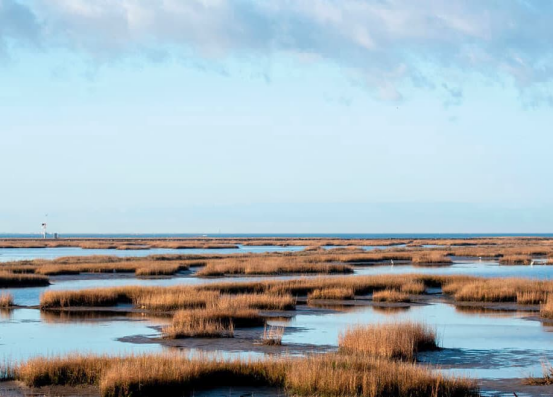
Wetlands, often referred to as the “Earth’s kidneys,” are unique transitional zones between terrestrial and aquatic environments. They act as natural sponges and filtration systems that maintain the health of our global water supply.
The Biological Filtration Process
The primary function of a wetland is the removal of excess nutrients, sediments, and pollutants from surface water. As water flows through the dense vegetation of a marsh or swamp, its velocity decreases, allowing suspended particles to settle. Microorganisms within the soil then break down organic pollutants, effectively cleaning the water before it reaches larger bodies like oceans or aquifers.
The Climate Crisis and Carbon Sequestration
Beyond water purification, wetlands serve as one of the most efficient carbon sinks on the planet. Peatlands, in particular, store significantly more carbon per hectare than tropical rainforests, making them critical allies in the fight against climate change.
Why Wetland Degradation Accelerates Warming
When wetlands are drained or destroyed for agriculture or urban development, the stored carbon is released back into the atmosphere as carbon dioxide and methane. This creates a feedback loop that exacerbates global temperature increases, turning a natural climate solution into a significant source of greenhouse gas emissions.
| Wetland Type | Primary Function | Carbon Storage Potential |
|---|---|---|
| Peatlands | Carbon Sequestration | Extremely High |
| Mangroves | Coastal Protection | High |
| Freshwater Marshes | Water Filtration | Moderate |
Strategic Conservation and Restoration Efforts
Protecting wetlands requires a multi-faceted approach that balances local economic needs with global ecological mandates. Effective management involves the restoration of hydrological flows and the strict regulation of land-use changes in sensitive areas.
Pro Tips for Wetland Advocacy
- Support local conservation groups that focus on “no-net-loss” policies.
- Advocate for the integration of wetland restoration into urban flood management plans.
- Reduce personal chemical runoff by utilizing organic fertilizers in landscaping.
Frequently Asked Questions (FAQ)
- Why are wetlands called the kidneys of the Earth?
- They are called kidneys because they filter pollutants, toxins, and excess nutrients from water, much like the human kidneys filter waste from the blood, ensuring cleaner water downstream.
- Can wetlands prevent flooding?
- Yes, wetlands act as natural sponges. They absorb excess rainfall and storm surges, slowly releasing water over time to mitigate the impact of floods in surrounding areas.
- What is the biggest threat to global wetlands?
- The primary threats include land development, agricultural drainage, pollution from industrial runoff, and climate change-induced sea-level rise.
- How does carbon storage work in wetlands?
- Wetland plants absorb CO2 during photosynthesis. Because the soil is waterlogged, it lacks oxygen, which prevents the plants from fully decomposing. This traps the carbon in the soil for centuries or even millennia.