Educational notice: This site provides independent educational information only. Content about disasters, safety, health, survival, weapons, ecology, or environmental risk is not professional, medical, legal, engineering, emergency-response, or safety advice. Consult qualified professionals and official local authorities before making decisions.
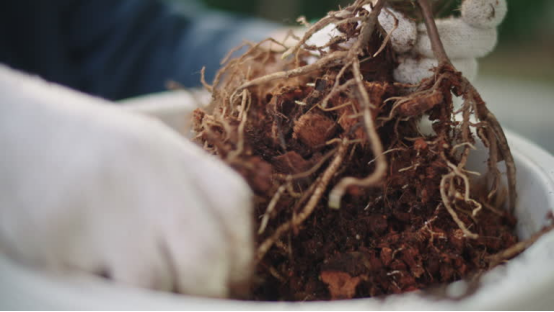
The health of a plant is a direct reflection of its root system, yet this vital, hidden world is often overlooked until problems become severe. The potting soil, however, acts as a direct window into the condition of the roots. By learning to interpret the signs your soil is giving you—from its moisture level and texture to its smell and appearance—you can preemptively diagnose and solve issues long before they threaten the life of your plant. This guide will teach you how to become a root health detective, using the soil as your primary clue to foster a thriving, resilient plant.
The Foundation of Plant Vitality: Why Root Health Matters
Before diving into diagnostics, it’s crucial to understand why roots are the non-negotiable foundation of plant life. They are far more than simple anchors; they are the primary interface between the plant and its environment, responsible for critical life-sustaining functions.
The Role of Roots in Nutrient and Water Uptake
A plant’s root system is a complex network designed to absorb water and essential minerals from the soil. Tiny root hairs vastly increase the surface area, allowing for efficient uptake of nutrients like nitrogen, phosphorus, and potassium. When the root system is compromised by rot, compaction, or disease, this fundamental ability is crippled, leading to yellowing leaves, stunted growth, and overall decline, no matter how much you fertilize.
How Healthy Roots Provide Anchorage and Respiration
Roots firmly anchor a plant in its pot, providing the physical stability needed to support its foliage and stems. Beyond stability, roots also need to “breathe.” They perform respiration, taking in oxygen from air pockets within the soil and releasing carbon dioxide. This is why overly dense or waterlogged soil is so deadly—it suffocates the roots, shutting down their metabolic processes and paving the way for anaerobic bacteria and fungi to thrive.

Decoding the Soil’s Story: 5 Key Diagnostic Signs
Your potting soil communicates constantly. By using your senses of sight, touch, and smell, you can accurately assess the conditions below the surface. Here are the most common signs and what they mean for your plant’s roots.
Sign 1: Constantly Wet or Soggy Soil (The Red Flag for Root Rot)
If the soil surface is always damp or feels waterlogged days after watering, it’s a critical warning. This condition, caused by overwatering, poor drainage, or an overly large pot, starves roots of oxygen. This leads to Pythium root rot, where roots turn brown, mushy, and can emit a foul odor.
- Immediate Action: Stop watering immediately. If possible, gently remove the plant from its pot to inspect the roots. Trim any black or mushy roots with sterile scissors and repot in fresh, well-draining soil.
- Prevention: Always use a pot with drainage holes. Water only when the top 1-2 inches of soil are dry to the touch.
Sign 2: Rock-Hard, Compacted, or Hydrophobic Soil
When soil becomes overly dry, it can compact and pull away from the sides of the pot. This is known as hydrophobic soil, meaning it repels water. When you water, it runs straight down the sides and out the bottom, never reaching the central root ball. This starves the plant of moisture, even when you water regularly.
- Immediate Action: Aerate the soil by gently poking holes with a chopstick or skewer. For severe cases, bottom-watering is the best solution. Place the pot in a tray of water for 30-60 minutes to allow the soil to slowly rehydrate from the bottom up.
- Prevention: Avoid letting the soil dry out completely for extended periods. Incorporating perlite or orchid bark into your potting mix can improve aeration and prevent compaction.
Sign 3: A White, Crusty Layer on the Surface
This white, salty-looking crust is a buildup of mineral salts from tap water and fertilizers. While not immediately harmful, excessive buildup can alter the soil’s pH and eventually burn the plant’s delicate roots, hindering their ability to absorb water.
- Immediate Action: You can gently scrape off the top layer of soil and replace it with fresh mix. Alternatively, “flush” the soil by watering the plant thoroughly in a sink or shower, letting water run through the drainage holes for several minutes to wash away excess salts.
- Prevention: Use filtered or distilled water if your tap water is very hard. Water deeply and less frequently, ensuring water drains out completely each time.
Expert Diagnostic Chart: Healthy vs. Unhealthy Soil
Use this quick reference table to compare the signs of a healthy root environment with those of a problematic one. A swift diagnosis can make all the difference in saving a struggling plant.
| Characteristic | Healthy Soil & Roots | Unhealthy Soil & Roots |
|---|---|---|
| Moisture | Evenly moist after watering, dries out within a reasonable time frame (e.g., a week). | Stays soggy for days (risk of root rot) or is bone-dry and compacted (hydrophobic). |
| Texture | Light, airy, and crumbly. Allows for oxygen flow. | Dense, heavy, muddy, or rock-hard. Suffocates roots. |
| Smell | Fresh, earthy, like a forest floor. | Sour, swampy, or like rotten vegetables. A clear sign of decay. |
| Appearance | Rich, dark color. No visible pests or excessive mineral buildup. | Visible mold, fungus gnats, or a white, crusty salt layer on top. |
| Water Absorption | Water soaks in evenly and quickly. | Water pools on top or runs straight through the sides without soaking in. |
Proactive Strategies for Maintaining Optimal Root Health
Diagnosing problems is a reactive skill; the goal is to create an environment where problems rarely arise. These proactive tips will help you build a foundation for long-term plant success.
Tip 1: Choose the Right Potting Mix
Not all potting mixes are created equal. A general-purpose indoor mix is a good start, but you can dramatically improve it. Add perlite or pumice for aeration, orchid bark for chunkiness (great for aroids), and coco coir for moisture retention without sogginess. Research your specific plant’s needs.
Tip 2: Master the Art of Watering
The single most common cause of plant failure is improper watering. Ditch the rigid schedule. Instead, learn your plant’s needs by checking the soil. The “finger test” is your best tool: insert your finger into the soil up to the second knuckle. If it feels dry, it’s time to water. If it’s moist, wait.
Tip 3: Prioritize Excellent Drainage
A drainage hole is non-negotiable. Without it, water pools at the bottom of the pot, creating a swamp that guarantees root rot. If you love a decorative pot without a hole, use it as a “cachepot” by placing a smaller plastic nursery pot with drainage inside it. Always empty the excess water from the cachepot after watering.
Frequently Asked Questions (FAQ)
-
What does root rot look and smell like?
- Healthy roots are typically firm and white or light tan. Roots affected by rot will be dark brown or black, feel mushy and soft to the touch, and may fall apart easily. The soil and roots will often have a distinct, unpleasant smell similar to a swamp or rotten produce, which is caused by the decaying organic matter and anaerobic bacteria.
-
How can I tell if my plant is root-bound without unpotting it?
- There are several tell-tale signs. You may see roots growing out of the drainage holes at the bottom of the pot. The plant may require watering much more frequently than it used to, as there is very little soil left to hold moisture. Growth may become stunted, and the entire soil and root mass may lift out of the pot easily as a single, solid block.
-
Is it ever okay to reuse old potting soil?
- It is generally not recommended. Old soil is often depleted of nutrients and its structure has broken down, leading to poor aeration and drainage. More importantly, it can harbor pests, eggs, and disease pathogens from the previous plant. It’s always best to start fresh with a new potting mix when repotting to give your plant a clean, healthy environment.
-
What’s the difference between soil compaction and just being dry?
- While related, they are different issues. Dry soil is a temporary state of low moisture. Compacted soil is a structural problem where the soil particles have become so tightly packed that air and water cannot penetrate effectively. You can have moist, compacted soil. A key sign of compaction is water pooling on the surface for a long time before slowly seeping in, whereas non-compacted dry soil will absorb water more readily.