Educational notice: This site provides independent educational information only. Content about disasters, safety, health, survival, weapons, ecology, or environmental risk is not professional, medical, legal, engineering, emergency-response, or safety advice. Consult qualified professionals and official local authorities before making decisions.
The joy of cultivating an indoor garden is immense, bringing life, color, and a touch of nature into our homes. However, for pet owners, this joy is often accompanied by a persistent worry: are these beautiful plants safe for my curious cat or dog? The internet is filled with conflicting information, turning the simple act of buying a new plant into a stressful research project. This guide is designed to be the definitive resource for pet parents, providing clear, detailed, and reliable information. We will delve deep into the specifics of popular plants like orchids and succulents, and provide a comprehensive framework for creating a home where both your plants and pets can thrive safely together.
Understanding Plant Toxicity in Pets
Before we identify specific safe and unsafe plants, it’s crucial to understand the fundamentals of plant toxicity in animals. Knowing why pets are drawn to plants and what to look for can empower you to act quickly and effectively if an incident occurs.
Why Do Pets Chew on Plants?
The urge for a dog or cat to nibble on houseplants can stem from several factors. It’s rarely a sign of malice, but rather instinct and natural behavior. Common reasons include:
- Curiosity: Young pets, in particular, explore the world with their mouths. A new, interesting plant with dangling leaves can be an irresistible toy.
- Boredom: A lack of stimulation or exercise can lead pets to find their own entertainment, and a stationary plant is an easy target.
- Dietary Deficiencies: While less common in pets on a balanced diet, some animals may chew on grass or plants to supplement fiber or other nutrients.
- Gastrointestinal Relief: Cats, in particular, may eat plant matter to help them regurgitate hairballs or soothe an upset stomach.
Differentiating “Non-Toxic” from “Completely Harmless”
This is a critical distinction. A plant labeled “non-toxic” by authorities like the ASPCA (American Society for the Prevention of Cruelty to Animals) means that ingestion is not expected to cause serious illness or death. However, it does not mean the plant is edible or completely harmless. Ingesting a large quantity of any plant matter, even a safe one, can lead to mild gastrointestinal upset, such as vomiting or diarrhea, simply because their digestive systems aren’t designed to process it.
Common Symptoms of Plant Poisoning in Dogs and Cats
If your pet has ingested a toxic plant, symptoms can range from mild to life-threatening. Be vigilant for any of the following signs and contact your veterinarian immediately if you notice them:
- Gastrointestinal Signs: Vomiting, diarrhea (sometimes with blood), drooling, loss of appetite.
- Lethargy and Depression: Your pet may seem unusually tired, weak, or unresponsive.
- Oral Irritation: Pawing at the mouth, visible swelling of the lips, tongue, or face.
- Neurological Signs: Tremors, seizures, stumbling, or difficulty breathing.
- Cardiac Symptoms: Irregular heartbeat or collapse (in severe cases).

The Truth About Orchids and Dogs
Orchids are one of the most popular and elegant houseplants, but their exotic appearance often leads to questions about their safety around pets. For dog owners, the news is overwhelmingly positive, but with important caveats.
Are Phalaenopsis Orchids Toxic to Dogs? The Official Verdict
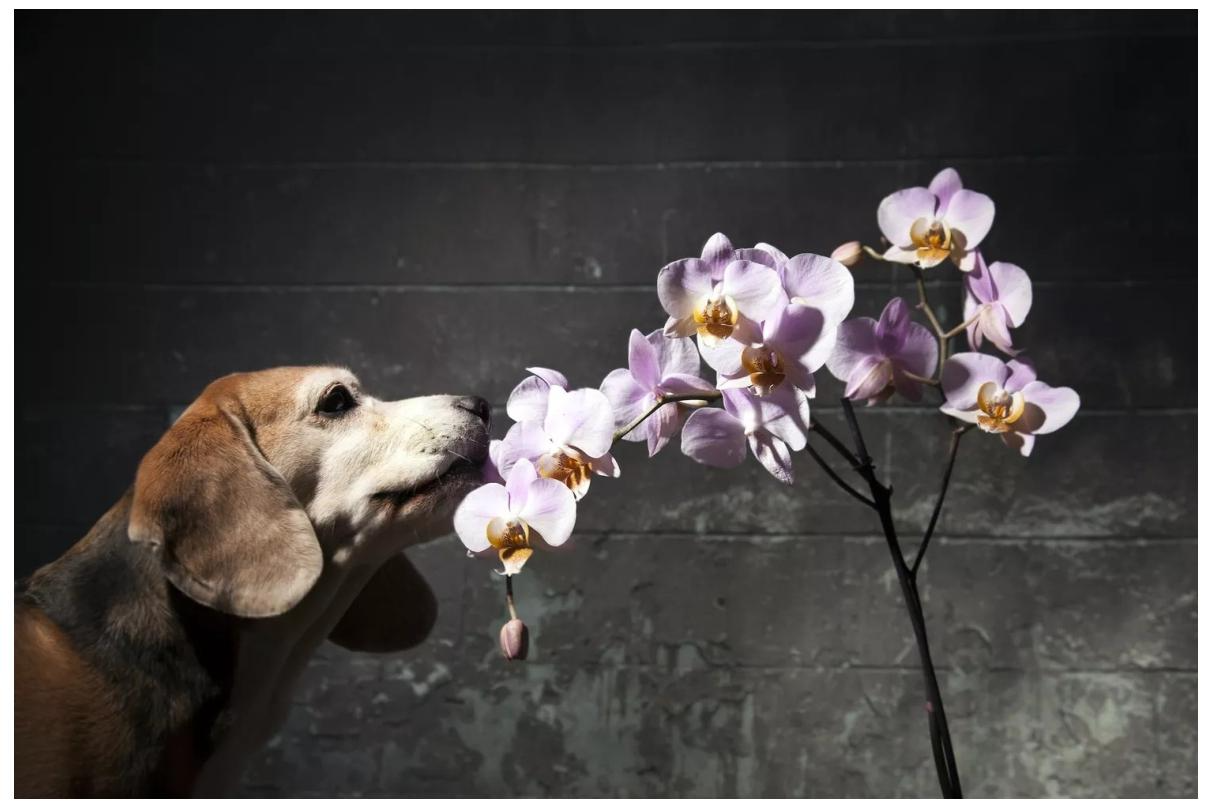
The most common type of orchid, the Phalaenopsis (or Moth Orchid), is officially listed as non-toxic to dogs, cats, and horses by the ASPCA. This means that if your dog chews on a leaf or flower from the plant itself, it is highly unlikely to cause a toxic reaction. You can breathe a sigh of relief knowing the plant itself does not contain poisonous compounds that will harm your canine companion.
Hidden Dangers: Beyond the Orchid Itself
While the plant is safe, the way it is cared for and presented can introduce other risks. It is essential to consider the entire orchid setup to ensure your dog’s safety.
- Pesticides and Fertilizers: Many commercially grown orchids are treated with pesticides or systemic fertilizers. These chemicals can be absorbed by the plant and can be toxic if ingested. Always inquire about treatments when purchasing a plant, or ideally, repot it in fresh, organic medium and use only pet-safe products at home.
- Potting Medium: Orchids are not planted in soil. They are potted in a mix of bark chips, sphagnum moss, and other materials. These items are not digestible and can pose a significant choking hazard or lead to an intestinal blockage if a dog swallows them.
- Support Structures: The thin stakes and small plastic clips used to support the orchid’s flower spike are also dangerous. If chewed and swallowed, they can cause internal punctures or blockages.
What to Do If Your Dog Eats an Orchid Plant
If you find your dog has had a snack on your orchid, don’t panic. First, remove any remaining plant material from their mouth. Observe your dog closely for any signs of gastrointestinal distress like vomiting or diarrhea. If they’ve only eaten a small piece of a leaf or flower, they will likely be fine. However, if they have ingested a large amount of the plant, the potting medium, or a support stake, or if they show any signs of illness, contact your veterinarian or the Pet Poison Helpline immediately.

Navigating the World of Succulents for Cat Owners
Succulents are trendy, low-maintenance, and beautiful, making them a popular choice for modern homes. For cat owners, this plant family requires careful navigation, as it contains both perfectly safe and dangerously toxic varieties.
Popular Cat-Safe Succulents for Your Home
You can absolutely enjoy succulents with a cat in the house. Focus on acquiring these verified safe options, which will only cause mild stomach upset at worst if nibbled on.
- Haworthia (Zebra Plant): Often mistaken for Aloe, this spiky succulent is completely non-toxic and a much safer alternative.
- Echeveria: These popular rosette-shaped succulents are safe for cats and come in a stunning variety of colors and forms.
- Sempervivum (Hens and Chicks): These hardy, multiplying succulents are non-toxic and great for both indoor and outdoor arrangements.
- Burro’s Tail (Sedum morganianum): This trailing succulent with its unique, bead-like leaves is safe for felines, though its delicate leaves may be tempting to bat at.
- Christmas Cactus (Schlumbergera): Unlike many holiday plants, the Christmas Cactus is non-toxic to cats and dogs.
DANGER: Common Toxic Succulents to Avoid at All Costs
Some of the most widely available succulents are unfortunately very dangerous for cats. Steer clear of these plants entirely or ensure they are kept in a location your cat absolutely cannot access.
- Aloe Vera: This common healing plant contains saponins, which are toxic to cats and can cause severe vomiting, diarrhea, and lethargy.
- Jade Plant (Crassula ovata): All parts of the popular Jade Plant are toxic, and ingestion can lead to vomiting, depression, and incoordination.
- Kalanchoe (Mother of Thousands, Devil’s Backbone): These plants contain cardiac glycosides, which are extremely dangerous and can disrupt heart rhythm, making them one of the most critical succulents to avoid.
- Euphorbia (Pencil Cactus, Crown of Thorns): The milky white sap from plants in the Euphorbia genus is highly irritating and can cause severe mouth and stomach irritation, as well as skin rashes.
- String of Pearls/Peas (Senecio rowleyanus): This visually appealing trailing plant is toxic and can cause vomiting, diarrhea, and lethargy if eaten by cats.

Proactive Strategies for a Pet-Safe Green Home
The best way to prevent a pet-plant tragedy is to be proactive. Even with non-toxic plants, preventing your pets from chewing on them is better for the health of both your pets and your plants. A multi-layered approach combining physical barriers and training is most effective.
Creating Physical Barriers
Making plants physically inaccessible is the most foolproof method of protection. Consider these environmental management strategies:
- High Shelving: Place smaller plants on high, sturdy shelves that your pets, especially cats, cannot easily jump onto.
- Hanging Planters: Use macrame or other hanging planters to suspend plants from the ceiling, well out of reach of both dogs and cats.
- Dedicated Plant Rooms: If you have a spare room with good light, consider making it a “plant-only” zone that is kept off-limits to your pets.
- Terrariums: Enclosed glass terrariums can be a beautiful way to display delicate or tempting plants while keeping them completely sealed off from curious paws and mouths.
Using Pet-Safe Repellents and Training Techniques
For plants that must remain at a lower level, you can use repellents and training to discourage your pets from interacting with them.
- Bitter Sprays: Commercial pet-safe bitter sprays can be applied to plant leaves. The unpleasant taste is a powerful deterrent for most animals.
- Citrus Peels: Many cats and dogs dislike the smell of citrus. Placing orange or lemon peels in the soil around the plant can act as a natural, temporary repellent.
- Positive Reinforcement: Use a firm “No” or a sharp clap when you see your pet approaching a plant. When they move away, immediately reward them with a treat or praise. This teaches them that leaving plants alone is a positive behavior.

Building Your Pet-Friendly Indoor Garden
Creating a thriving indoor garden that is also a safe sanctuary for your pets is entirely achievable with the right knowledge. It begins with careful selection and continues with diligent research.
A Curated List of More Pet-Safe Houseplants
Beyond orchids and specific succulents, here are several other popular and beautiful houseplants that are considered non-toxic to most cats and dogs. This list provides a great starting point for expanding your collection worry-free.
- Spider Plant (Chlorophytum comosum)
- Boston Fern (Nephrolepis exaltata)
- Calathea / Prayer Plant (Maranta leuconeura)
- Areca Palm (Dypsis lutescens)
- Money Tree (Pachira aquatica)
- African Violet (Saintpaulia)
How to Check a Plant’s Toxicity: Reliable Resources
Never rely on anecdotal evidence or a single blog post when determining a plant’s safety. Always cross-reference with an authoritative database. The number one resource for this is the ASPCA’s Toxic and Non-Toxic Plants List. Their website features an extensive, searchable database that provides detailed information on hundreds of plants and their effects on dogs, cats, and horses. Bookmark this resource and use it every time you consider bringing a new plant into your home.

Conclusion: A Harmonious Home for Pets and Plants
Living with both pets and plants does not have to be a source of anxiety. By arming yourself with accurate knowledge, you can confidently curate a collection of houseplants that adds beauty to your space without posing a threat to your beloved animal companions. The key principles are simple: research before you buy, consider all parts of the plant’s environment, and prioritize physical separation. While Phalaenopsis orchids are a safe choice for dog owners and many beautiful succulents like Echeveria and Haworthia are perfect for cat lovers, vigilance is the ultimate tool. By being a responsible plant owner and a watchful pet parent, you can create a vibrant, safe, and harmonious home for every member of your family, both leafy and furry.
Frequently Asked Questions (FAQ)
- Q1: What should I do first if I suspect my pet has eaten a toxic plant?
- Your first step should be to safely remove your pet from the area and take away any remaining plant material from their mouth. Then, immediately call your veterinarian or a pet poison control hotline like the ASPCA Animal Poison Control Center. Do not induce vomiting unless specifically instructed to do so by a veterinary professional. Try to identify the plant your pet ate, as this information will be crucial for treatment.
- Q2: Are all parts of an orchid plant safe for dogs?
- While the leaves, stem, and flowers of the Phalaenopsis orchid are considered non-toxic, the secondary items are not safe. The potting medium (bark, moss) can cause choking or intestinal blockage, and the support stakes and clips are hazardous if swallowed. Furthermore, any pesticides or fertilizers used on the plant could be toxic, so the primary risk often comes from these associated elements, not the plant itself.
- Q3: Is Aloe Vera really toxic to cats and dogs?
- Yes, Aloe Vera is listed as toxic to both cats and dogs by the ASPCA. The plant contains compounds called saponins and anthraquinones, which can cause significant gastrointestinal upset, including vomiting, severe diarrhea, and lethargy if ingested. While the gel inside the leaves is sometimes used topically, the plant itself should not be eaten by pets.
- Q4: Can “pet-safe” plants still make my animal sick?
- Absolutely. A “non-toxic” or “pet-safe” label means the plant does not contain known toxins that would cause systemic poisoning. However, if a pet eats a large quantity of any fibrous plant material, their digestive system can become irritated, leading to mild symptoms like vomiting or diarrhea. It’s always best to discourage pets from eating any houseplants, regardless of their toxicity level.
- Q5: Where can I find a definitive list of toxic and non-toxic plants?
- The most reliable and comprehensive resource is the ASPCA (American Society for the Prevention of Cruelty to Animals) website. They maintain an extensive and searchable database of plants that are toxic and non-toxic to dogs, cats, and horses. This should be your primary reference when checking the safety of any new plant you plan to bring into your home.