Educational notice: This site provides independent educational information only. Content about disasters, safety, health, survival, weapons, ecology, or environmental risk is not professional, medical, legal, engineering, emergency-response, or safety advice. Consult qualified professionals and official local authorities before making decisions.
Understanding the Growth Habits of Maranta and Hoya
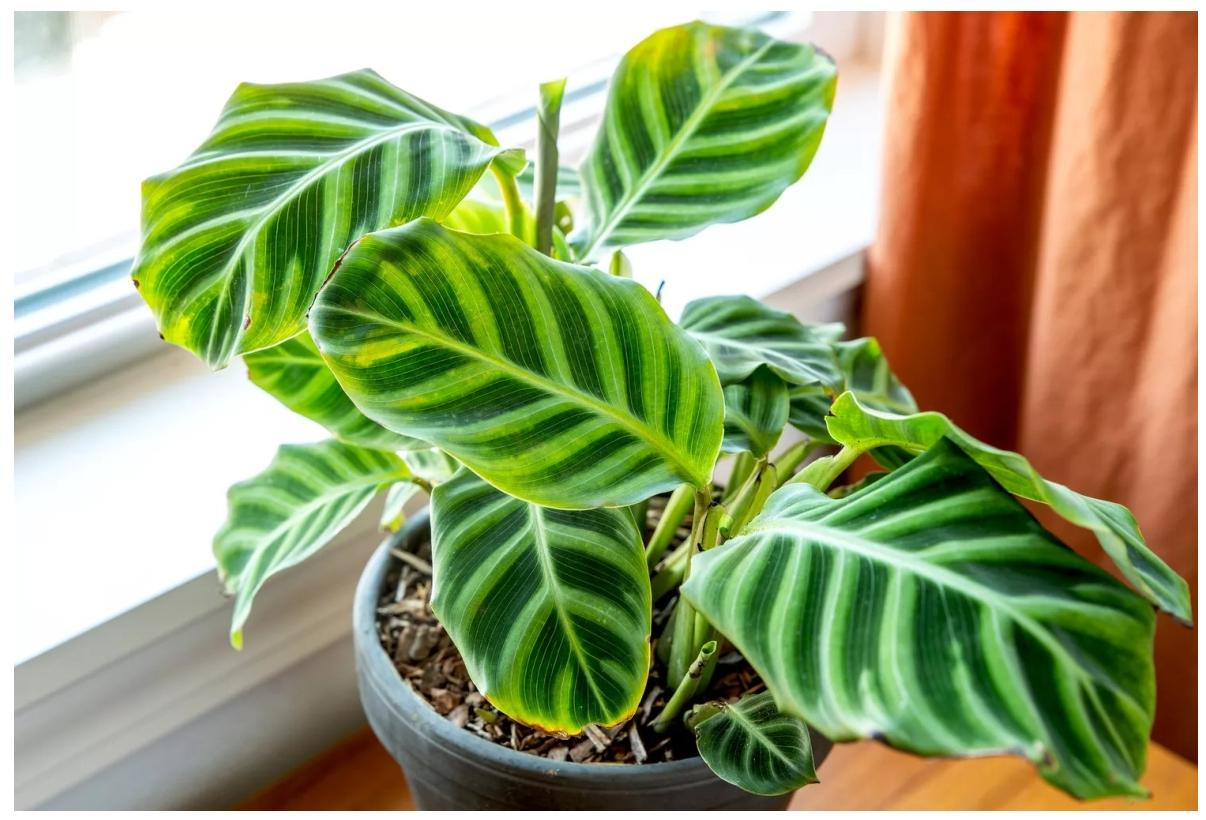
Both Maranta Leuconeura, commonly known as the Prayer Plant, and the Hoya genus, often referred to as wax plants, are highly sought after by indoor gardeners. While they hail from different botanical families, they share a requirement for specific environmental conditions to thrive in domestic settings. The Maranta is prized for its rhythmic leaf movement, folding up at night, while Hoyas are celebrated for their waxy, succulent-like leaves and fragrant, star-shaped flowers.
Botanical Characteristics
- Maranta Leuconeura: A tropical rhizomatous perennial known for its striking, patterned foliage that displays a “prayer” motion in response to light cycles.
- Hoya Genus: A massive group of vining plants that store water in thick, succulent leaves, making them more forgiving regarding irregular watering schedules than the moisture-dependent Maranta.

Essential Environmental Requirements
Success with indoor tropicals depends entirely on mimicking their native understory or epiphytic habitats. Providing the correct balance of light and ambient moisture is the difference between stagnant growth and a flourishing specimen.
Lighting Strategies
While both plants prefer bright, indirect light, their tolerances differ slightly. Maranta plants are susceptible to leaf scorch in direct sun, whereas many Hoya varieties can handle morning sun to encourage blooming.
- Maranta: Place in a North or East-facing window. Avoid harsh afternoon rays which can fade the intricate patterns on the leaves.
- Hoya: Thrives in bright, filtered light. Sufficient light intensity is the primary trigger for Hoya flowering; if your plant refuses to bloom, increasing light exposure is the most effective solution.

Watering and Soil Management
The moisture retention needs of these two plants are distinct. A Maranta prefers soil that is consistently moist but never waterlogged. Conversely, Hoya plants require a well-aerated, chunky substrate that allows roots to breathe, as they are prone to root rot if left in dense, wet soil.
Substrate Composition
| Plant Type | Soil Preference | Drainage Requirement |
|---|---|---|
| Maranta | Peat-based, moisture-retentive | High |
| Hoya | Orchid bark, perlite, coco coir | Very High |
For Hoyas, use an “epiphytic mix” consisting of bark, charcoal, and perlite. For Marantas, a standard indoor potting mix amended with extra peat or coco coir will maintain the humidity the roots crave.

Propagation and Maintenance
Both plants can be propagated via stem cuttings, though the success rates are influenced by the cutting technique used. Maintaining high humidity during the rooting phase is critical for both species.
Step-by-Step Propagation
- Selection: Choose a healthy stem with at least two to three leaf nodes.
- Cutting: Use sterile shears to cut just below a node.
- Rooting: Place the cutting in water or directly into a moist, light substrate like sphagnum moss.
- Environment: Keep in a warm, bright spot out of direct sunlight until roots are at least two inches long.
Frequently Asked Questions (FAQ)
- Q1: Why are the edges of my Maranta leaves turning brown?
- This is typically a sign of low humidity or mineral buildup from tap water. Try using distilled water and increasing ambient humidity with a humidifier or pebble tray.
- Q2: How do I get my Hoya to bloom?
- Blooms require high light levels and a period of relative neglect. Ensure the plant is pot-bound, as many Hoyas bloom more prolifically when their roots are restricted.
- Q3: Can I keep these plants in the same room?
- Yes, both plants enjoy warmth and high humidity. However, ensure the Hoya is placed in a spot with slightly higher light intensity than the Maranta.
- Q4: How often should I fertilize these plants?
- Fertilize during the active growing season (spring and summer) using a balanced, water-soluble fertilizer diluted to half-strength. Cease fertilization during the winter dormancy period.