Educational notice: This site provides independent educational information only. Content about disasters, safety, health, survival, weapons, ecology, or environmental risk is not professional, medical, legal, engineering, emergency-response, or safety advice. Consult qualified professionals and official local authorities before making decisions.
The Philosophy of Urban Kitchen Farming
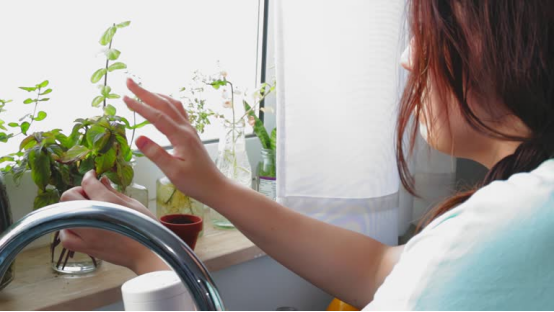
Indoor herb gardening is more than just a decorative trend; it is a fundamental shift toward sustainable urban living. By utilizing your kitchen windowsill, you reduce food miles, eliminate plastic packaging waste, and ensure a constant supply of pesticide-free ingredients. The core principle involves creating a micro-ecosystem that mimics the natural growth patterns of Mediterranean and temperate herbs within the controlled environment of your home.
Why Start a Windowsill Garden?
Beyond the culinary benefits, indoor gardening improves indoor air quality and provides a therapeutic connection to nature. Understanding the specific light requirements and humidity levels of your kitchen is the first step in successful cultivation.

Optimal Plant Selection and Light Requirements
Not all herbs are created equal when it comes to indoor life. Most culinary herbs require at least 6 hours of direct sunlight. If your kitchen lacks a south-facing window, you may need to supplement with LED grow lights.
| Herb Type | Light Need | Watering Frequency |
|---|---|---|
| Basil | High (6+ hours) | Keep soil moist |
| Mint | Medium (4-6 hours) | Keep soil damp |
| Rosemary | High (6+ hours) | Let soil dry out |
| Chives | Medium (4-6 hours) | Moderate |
Common Pitfalls to Avoid
- Overwatering: The leading cause of death for indoor herbs; always ensure pots have drainage holes.
- Poor Air Circulation: Stagnant air invites mold and pests; ensure your plants are not packed too tightly.
- Ignoring Soil Quality: Use high-quality potting mix, not garden soil, which is too dense and may contain pathogens.

Maintenance and Harvesting Strategies
Consistency is the secret to a thriving kitchen garden. Regular pruning is not just for harvesting; it is essential for plant health. By pinching off the top sets of leaves, you encourage the plant to grow bushier rather than tall and leggy.
Pro Tips for Success
To ensure your herbs last longer, rotate your pots every few days so all sides receive equal light. Additionally, consider using organic liquid fertilizer once a month during the growing season to replenish nutrients in the limited soil volume of a container.
Frequently Asked Questions (FAQ)
- Can I grow herbs in a kitchen with low light?
- Yes, but you should focus on shade-tolerant varieties like parsley, mint, or chives, or invest in a small full-spectrum LED grow light to bridge the gap.
- How often should I repot my windowsill herbs?
- Most herbs will need repotting once a year, or when you notice roots growing out of the drainage holes, indicating the plant has become root-bound.
- What is the best way to water indoor herbs?
- Always water at the base of the plant to avoid wetting the leaves, which can lead to fungal issues. Use the “finger test”—if the top inch of soil is dry, it is time to water.
- Should I start from seeds or cuttings?
- For beginners, starting with nursery-bought organic seedlings is often more successful. However, herbs like mint and basil are very easy to propagate from stem cuttings in water.