Educational notice: This site provides independent educational information only. Content about disasters, safety, health, survival, weapons, ecology, or environmental risk is not professional, medical, legal, engineering, emergency-response, or safety advice. Consult qualified professionals and official local authorities before making decisions.
The world’s oceans face a multitude of well-documented threats, from plastic pollution to climate change. However, lurking beneath the surface are two insidious and highly destructive phenomena that operate largely out of sight: ghost fishing and the transport of invasive species via ballast water. These silent threats are byproducts of global commerce and industry, creating a continuous and devastating impact on marine ecosystems, local economies, and even human health. This guide provides an in-depth exploration of these two critical issues, examining their origins, the scope of their damage, and the international efforts underway to combat them.
The Unseen Menace of Ghost Fishing
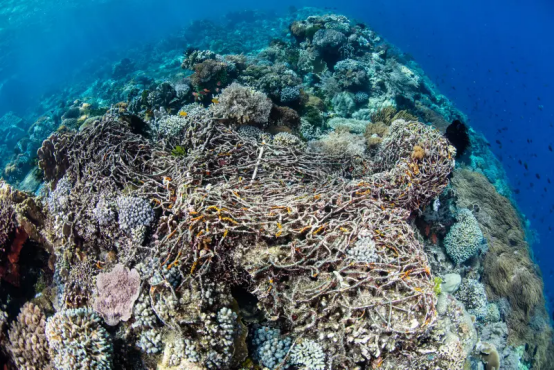
Ghost fishing is the term used to describe what happens when abandoned, lost, or otherwise discarded fishing gear (often referred to as ALDFG) continues to function in the marine environment. Far from becoming inert debris, this gear persists as an active and indiscriminate trap, entangling and killing marine life for years or even decades. It is a silent, perpetual fishing operation with no one to haul in the catch, contributing significantly to the decline of fish stocks and the suffering of countless marine animals.
What is Ghost Gear? Defining ALDFG
Ghost gear encompasses a wide range of fishing equipment. The most common and destructive types are made from durable, synthetic materials like nylon, which do not easily biodegrade. This gear includes:
- Gillnets: Vast curtains of netting that drift with the currents, invisibly trapping any creature that swims into them.
- Traps and Pots: Cages designed to catch crabs, lobsters, and other crustaceans that, once lost, become inescapable prisons on the seafloor.
- Trawling Nets: Massive nets dragged along the ocean floor that can become snagged and torn away, continuing to smother and damage seabed habitats.
- Fishing Line: Monofilament lines that can entangle seabirds, seals, and turtles, causing severe injury, drowning, or starvation.
How Abandoned Gear Becomes a Perpetual Trap
The mechanism of ghost fishing is tragically simple and effective. A lost gillnet, for example, will drift through the water column, entangling fish. The struggling of these trapped fish often attracts predators and scavengers, such as sharks, dolphins, or seals, which then become entangled themselves. As the entangled animals die and decay, the net’s weight is reduced, allowing it to float up again to repeat the deadly cycle. This process can continue indefinitely, making a single lost net a death trap that operates for decades, moving with ocean currents and affecting ecosystems far from its point of origin.
The Devastating Ecological Cascade Effect
The impact of ghost fishing extends far beyond the individual animals it kills. It triggers a cascade of negative ecological consequences. By indiscriminately killing both commercial and non-commercial species, it disrupts the delicate balance of marine food webs. The physical presence of heavy gear, such as trawl nets and pots, can physically damage fragile and vital habitats like coral reefs and seagrass beds. These habitats are crucial nurseries for juvenile fish and support immense biodiversity. Furthermore, as the synthetic materials in the gear slowly break down, they contribute to the growing problem of microplastic pollution in the oceans.

Ballast Water: The Unintentional Global Taxi for Invasive Species
While ghost fishing is a direct consequence of the fishing industry, ballast water represents an equally significant threat stemming from global shipping. To maintain stability, trim, and structural integrity, large vessels take on massive quantities of water in one port and discharge it at their destination. This seemingly benign operational necessity has turned the world’s cargo fleet into a massive, unintentional transport system for marine organisms, facilitating biological invasions on a global scale.
Understanding the Role of Ballast Water in Shipping
A large cargo ship can carry millions of gallons of ballast water. When a ship unloads its cargo, it takes on seawater to maintain its draft and stability. When it takes on new cargo at its destination, this ballast water is discharged. The water taken on is a living sample of the coastal ecosystem from the port of origin, containing a microscopic soup of life, including bacteria, viruses, algae, and the larvae of invertebrates and fish.
The Biological Stowaways: How Species Hitch a Ride
Organisms trapped in ballast tanks are plunged into a dark, enclosed environment for a journey that can last weeks. While many perish, the hardiest species survive. When the ballast water is discharged into a new port, these survivors are released into a new environment. If the conditions (such as temperature and salinity) are suitable and natural predators are absent, these non-native species can establish a breeding population, becoming what is known as an invasive alien species (IAS).
Ecological Havoc: The Impact of Invasive Alien Species
The introduction of IAS is one of the leading causes of biodiversity loss in marine and coastal ecosystems. These invaders can wreak havoc in several ways:
- Competition: They can outcompete native species for food and habitat, leading to a decline in local populations.
- Predation: New predators can decimate native species that have no evolved defenses against them.
- Habitat Alteration: Some invaders, like certain types of mussels, can fundamentally change the physical structure of an ecosystem.
- Disease Introduction: Ballast water can also transport harmful pathogens and microbes, posing a risk to marine life and human health.
Case Studies in Invasion: Zebra Mussels and Green Crabs
Two classic examples illustrate the destructive potential of ballast water invasions. The Zebra Mussel, native to the Caspian Sea, was introduced to the North American Great Lakes via ballast water in the 1980s. Its population exploded, clogging water intake pipes for cities and power plants, causing billions of dollars in damage, and fundamentally altering the lake ecosystem. Similarly, the European Green Crab, transported globally, is a voracious predator that has devastated shellfish populations in North America and other regions, disrupting local fisheries and economies.

Combating the Silent Threats: Global Strategies and Solutions
Addressing the complex challenges of ghost fishing and ballast water requires a multi-faceted approach involving international regulation, technological innovation, and industry cooperation. Significant progress is being made on both fronts as global awareness of these issues grows.
Innovations and Policies to Prevent Ghost Fishing
The fight against ghost gear focuses on both prevention and cure. Key strategies include:
- Gear Marking: Tagging fishing gear with identifiers allows lost equipment to be traced back to its owner, encouraging more responsible practices.
- Biodegradable Materials: Research into developing effective fishing nets and pots from materials that degrade over time could significantly reduce the long-term impact of lost gear.
- Retrieval Programs: Initiatives that fund and organize the removal of ghost gear from the ocean are critical for cleaning up existing pollution and restoring damaged habitats.
- Improved Port Reception Facilities: Providing fishermen with affordable and convenient ways to dispose of old or damaged gear on shore prevents it from being discarded at sea.
International Regulations: The Ballast Water Management Convention
To control the spread of invasive species, the International Maritime Organization (IMO) adopted the Ballast Water Management (BWM) Convention. This landmark treaty requires ships to manage their ballast water to a certain standard. The primary methods for compliance are:
- Ballast Water Exchange: Ships exchange their coastal ballast water in the deep ocean, where coastal organisms are less likely to survive and deep-ocean organisms are unlikely to thrive in a new coastal environment.
- Ballast Water Treatment Systems: Most modern ships are now equipped with onboard systems that use methods like UV radiation, chemical disinfection, or filtration to kill or remove organisms before the water is discharged.

The Future of Marine Protection: A Collective Responsibility
The silent threats of ghost fishing and ballast water invasions underscore the interconnectedness of our global economy and the health of our oceans. While international conventions and technological solutions are paramount, they are not enough on their own. Lasting change requires a commitment from all stakeholders, from multinational shipping companies and fishing fleets to policymakers and consumers.
The Importance of Policy Enforcement and Cooperation
Effective enforcement of regulations like the BWM Convention and policies aimed at reducing ALDFG is crucial. This requires international cooperation, port state control inspections, and a commitment from all maritime nations to uphold these standards. Continued research and data collection are also essential to understand the full scale of these problems and to develop more effective solutions for the future.
How Industries and Individuals Can Contribute
The shipping and fishing industries have a primary role to play by investing in new technologies, adopting best practices, and fostering a culture of environmental stewardship. Consumers can also contribute by supporting sustainably sourced seafood and by being aware of the broader environmental footprint of the products they buy. Protecting our marine ecosystems is a shared responsibility that is vital for the long-term health of our planet and its economies.
Frequently Asked Questions (FAQ)
- What is the most dangerous type of ghost gear?
- While all ghost gear is harmful, many experts consider synthetic gillnets to be the most dangerous. Their near-invisibility in the water and their design to entangle fish by the gills make them incredibly effective and indiscriminate killers. They can drift for thousands of miles and continue to trap a wide variety of marine life, from small fish to large whales.
- How much fishing gear is lost in the ocean each year?
- Estimates vary, but studies suggest that hundreds of thousands of tons of fishing gear are lost or abandoned in the oceans annually. This includes an estimated 640,000 metric tons of nets, lines, pots, and traps, making it a significant portion of all marine plastic pollution.
- Can invasive species from ballast water be removed once established?
- Eradicating an established marine invasive species is extremely difficult, if not impossible, and prohibitively expensive. Once a species has a self-sustaining population in a new environment, it becomes a permanent part of that ecosystem. This is why prevention, through effective ballast water management, is considered the only viable long-term solution.
- Are ballast water treatment systems 100% effective?
- Modern ballast water treatment systems are highly effective and are designed to meet strict international standards set by the IMO. These systems kill or remove the vast majority of organisms. While no system is perfect, they drastically reduce the risk of transferring viable invasive species compared to discharging untreated ballast water.
- How can I help reduce the problem of ghost fishing?
- As a consumer, you can support fisheries that are certified for sustainable practices, as they are more likely to have protocols to minimize gear loss. Participating in or supporting local beach and underwater cleanup initiatives can also help remove ghost gear and other marine debris from the environment.