Educational notice: This site provides independent educational information only. Content about disasters, safety, health, survival, weapons, ecology, or environmental risk is not professional, medical, legal, engineering, emergency-response, or safety advice. Consult qualified professionals and official local authorities before making decisions.
Understanding the Science of Avalanches
Avalanches are not random acts of nature; they are the result of specific meteorological and physical conditions aligning perfectly to create catastrophic failure in a snowpack. To truly respect the hidden threat in the mountains, backcountry enthusiasts must first understand the fundamental science behind how and why avalanches occur.
The Anatomy of a Snowpack
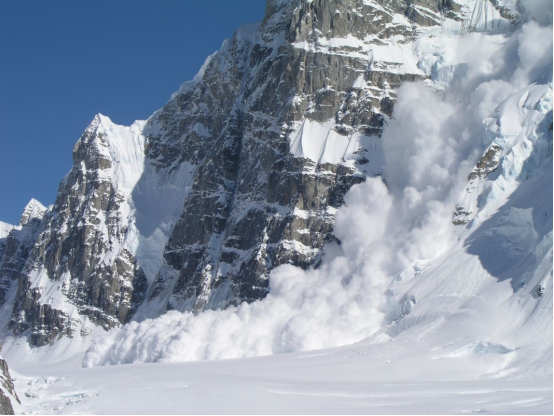
A snowpack is a historical record of a season’s weather. Every snowfall, wind event, temperature spike, and freeze-thaw cycle creates a distinct layer. Danger arises when a cohesive slab of snow rests on top of a weaker layer, known as a persistent weak layer (PWL). When the stress on the snowpack exceeds the strength of this weak layer, the structure collapses, sending thousands of tons of snow hurtling down the mountain at highway speeds.
Triggers: Natural vs. Human-Caused
While natural triggers like rapid warming, cornices falling, or heavy new snowfall account for many avalanches, the vast majority of fatal incidents are triggered by the victim or someone in their party. The added dynamic weight of a skier, snowboarder, or snowmobiler is often the exact catalyst needed to shatter the fragile bond between snow layers.

Essential Avalanche Safety Gear
Venturing into avalanche terrain without the proper equipment is a fatal gamble. The holy trinity of avalanche safety gear consists of a transceiver, a probe, and a shovel. However, owning the gear is only the first step; mastering its use through relentless practice is what actually saves lives in an emergency.
The Big Three: Transceiver, Probe, and Shovel
Every member of a backcountry group must carry these three non-negotiable items on their person—never in a sled or left at basecamp. In the event of a burial, you have roughly 15 minutes to extricate a victim before survival rates plummet drastically due to asphyxiation.
- Avalanche Transceiver: Emits a pulsed radio signal. When a partner is buried, you switch your transceiver to search mode to pinpoint their location.
- Collapsible Probe: Used to physically strike the buried victim, confirming their exact depth and location before digging begins.
- Metal Shovel: Avalanche debris sets like concrete. A durable, metal shovel is required to chop through the dense snow blocks.
Advanced Gear Comparison
| Equipment Type | Primary Function | Expert Pro Tip |
|---|---|---|
| Avalanche Airbag Pack | Increases volume to keep the victim near the surface of the debris. | Always test deploy your airbag at the start of every season to ensure the canister is full and the mechanism works. |
| Avalung System | Pulls oxygen from the snowpack and directs CO2 away from the face. | Must have the mouthpiece in your mouth before the avalanche strikes; practice riding with it readily accessible. |

Strategic Risk Assessment and Avoidance
The absolute best way to survive an avalanche is to never be caught in one. Avoidance is rooted in meticulous planning, continuous observation, and conservative decision-making. The human element—ego, summit fever, and groupthink—often overrides logical risk assessment, leading to tragic outcomes.
Reading the Terrain
Avalanches most commonly occur on slopes between 30 and 45 degrees. Recognizing avalanche terrain involves identifying slope angles, terrain traps (like gullies or cliffs where snow will pile deeply), and historical slide paths. Utilizing topographic maps and modern GPS applications can help you measure slope angles before you ever set foot on the mountain.
Expert Advice: The FACETS Framework
Human factors are the leading cause of avalanche accidents. Experts use the acronym FACETS to identify cognitive biases that lead to poor decision-making in the backcountry:
- Familiarity: Letting your guard down because you have skied the slope safely in the past.
- Acceptance: Taking unnecessary risks to impress group members or fit in with peers.
- Commitment: Refusing to turn back because of the time and physical effort already invested in the summit.
- Expert Halo: Blindly following a perceived leader without questioning their decisions or safety protocols.
- Tracks/Scarcity: Rushing to ski untracked powder before someone else gets to it, ignoring red flags.
- Social Proof: Believing a slope is safe simply because other people are currently skiing it.
Survival Protocols: What to Do If Caught
Despite the best planning, nature is unpredictable. If the slope shatters beneath you, your immediate actions in the first few seconds will dictate your chances of survival. Knowing the step-by-step emergency protocols is non-negotiable for anyone entering the backcountry.
Step-by-Step Survival Procedure
Follow these critical steps if you find yourself caught in an avalanche slide:
- Deploy Your Airbag: If equipped, pull the cord immediately. Do not hesitate or wait to see how big the slide is.
- Fight to Stay on Top: Discard your ski poles (never use wrist straps in avalanche terrain) and swim aggressively against the snow using a backstroke motion.
- Create an Air Pocket: As the snow begins to slow down, cup your hands firmly over your mouth and nose. This air pocket is vital for providing oxygen and delaying carbon dioxide poisoning.
- Conserve Energy: Once the snow sets, it will feel like concrete. Do not exhaust yourself panicking or screaming unless you hear rescuers directly above you. Snow is an excellent sound insulator; they likely cannot hear you from below.
Frequently Asked Questions (FAQ)
- What is the most dangerous slope angle for avalanches?
- The primary danger zone for avalanches is typically between 30 and 45 degrees. Slopes less steep rarely slide, and slopes steeper than 45 degrees tend to slough off snow continuously, preventing massive slab buildups. Always use an inclinometer to verify slope angles before crossing.
- Can loud noises trigger an avalanche?
- No, this is a common myth popularized by movies. The pressure waves from a human voice or even a snowmobile engine are not strong enough to trigger an avalanche. Avalanches are triggered by localized physical stress, such as the weight of a person or explosive charges used by ski patrols.
- How long can you survive buried in an avalanche?
- Survival rates drop precipitously after 15 minutes. Within the first 15 minutes, a victim has roughly a 90% chance of survival if they have not suffered fatal physical trauma. By 35 minutes, the survival rate plummets to around 30% due to asphyxiation and carbon dioxide buildup.
- What is a persistent weak layer (PWL)?
- A PWL is a fragile layer of snow, such as surface hoar or depth hoar (sugary snow), buried deep within the snowpack. It acts like a layer of ball bearings. When the heavier snow above it is triggered, the PWL collapses, causing the entire upper slab to detach and slide.