Educational notice: This site provides independent educational information only. Content about disasters, safety, health, survival, weapons, ecology, or environmental risk is not professional, medical, legal, engineering, emergency-response, or safety advice. Consult qualified professionals and official local authorities before making decisions.
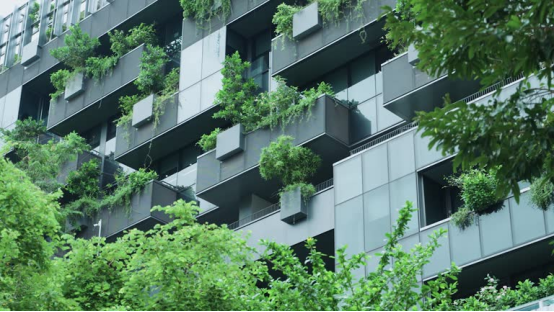
In the concrete landscapes of modern cities, the human desire for nature persists. As urban density increases, traditional green spaces become a luxury. This has sparked a revolution in personal horticulture: urban greening. This guide is a comprehensive resource for transforming your high-rise apartment or balcony into a vibrant ecosystem. We will explore the two primary frontiers of this movement—the vertical garden, or green wall, and three-dimensional balcony greening. By leveraging vertical space, residents can cultivate lush gardens that purify the air, insulate interiors, and provide a profound connection to the natural world, right in the heart of the city.
Understanding the Foundations of Urban Greening
Urban greening is more than just placing a few pots on a windowsill. It’s a strategic approach to integrating plant life into the built environment. The two most effective methods for apartment dwellers are vertical wall gardens and three-dimensional balcony greening. A vertical garden is a system where plants are grown on a vertically suspended panel, which can be freestanding or attached to a wall. Balcony greening, on the other hand, utilizes all available surfaces—floor, railings, and vertical space—to create a layered, multi-dimensional garden. The benefits are substantial, ranging from improved local air quality and reduced urban heat island effect to enhanced biodiversity and significant mental health advantages for residents.
The Synergy of Walls and Balconies
While distinct in their application, these two methods work best in tandem. A green wall can turn a sun-baked facade into a cool, living surface, while a well-planned balcony garden can provide privacy, edible produce, and a habitat for pollinators. Together, they create a personal microclimate, reducing energy costs for cooling in the summer and providing an extra layer of insulation in the winter. The core principle is maximizing the photosynthetic potential of every available square foot of your urban dwelling.

Pre-Installation Planning: Assessing Your Urban Space
Before purchasing a single plant or mounting bracket, a thorough assessment of your space is critical for success. Rushing this phase is the most common cause of failure in urban greening projects. You must evaluate the structural, environmental, and logistical constraints of your apartment wall or balcony to make informed decisions about the type and scale of your garden.
Structural Integrity and Load-Bearing Capacity
This is the most crucial safety consideration. A fully saturated vertical garden or a large container with a small tree can exert immense weight. For walls, you must identify if the target wall is a load-bearing structural wall or a non-structural partition. Drywall partitions may require significant reinforcement to support a greening system. For balconies, you must understand the maximum load capacity, which is typically specified in building codes (e.g., in pounds per square foot). Always factor in the weight of the structure, soil, water, and mature plants. When in doubt, consulting a structural engineer is a wise investment.
Analyzing Light, Wind, and Water Access
Carefully observe your space throughout the day. Map the path of the sun to determine which areas receive full sun, partial shade, or full shade. This will dictate your plant selection. For high-rise balconies, wind exposure is a major factor. Constant wind can dehydrate plants and damage fragile foliage. Consider wind-tolerant species or the installation of a permeable windbreak. Finally, assess your access to water. Proximity to a tap is essential for manual watering, and access to an outlet may be required for automated irrigation systems.

A Deep Dive into Vertical Garden Systems
Vertical garden technology has evolved significantly, offering a range of systems to suit different needs, budgets, and spaces. Understanding the mechanics of each type is key to choosing the right one for your apartment. These systems are generally categorized by how they hold the growing medium and deliver water.
Panel and Tray Systems: The Modular Approach
Modular panel systems consist of pre-made panels with cells or slots to hold individual plants. These are often sold in kits and can be easily assembled to cover a large area. They offer a clean, organized look and make it simple to replace individual plants if one fails. Tray systems are similar but use a series of stacked horizontal trays. Both types are often used in commercial installations but are increasingly available for residential use. Their primary advantage is structural rigidity and ease of installation.
Felt Pocket Systems: Flexibility and Aeration
These systems use a durable, non-toxic felt fabric sewn into pockets. The entire felt panel is mounted to a waterproofed backing on the wall. Plants are placed directly into the pockets with a small amount of soil. The felt material is highly breathable, promoting excellent root aeration and preventing root rot. This flexibility allows for more creative, free-form designs. However, they can dry out more quickly than panel systems and require a more robust waterproofing strategy for the wall behind them.

Step-by-Step Guide to Installing a Wall Greening System
Installing a vertical garden is a methodical process. Following these steps carefully will ensure the longevity of both your garden and the wall it’s attached to. This guide assumes a modular or felt pocket system being installed on an interior or exterior apartment wall.
Step 1: Preparing and Waterproofing the Wall
This is a non-negotiable step. Moisture must be prevented from penetrating the wall surface. First, clean the wall thoroughly. Then, apply a reliable waterproofing membrane. This can be a liquid-applied sealant or a solid plastic sheet (e.g., PVC sheeting) securely fastened to the wall. This backing should extend beyond the footprint of the planned garden to prevent any capillary action from drawing moisture into the surrounding wall.
Step 2: Mounting the Support Structure and System
For most systems, a frame is required to create an air gap between the garden panel and the waterproofed wall. This gap is crucial for air circulation and prevents mold growth. The frame, typically made of treated wood or metal, is securely anchored into the wall’s studs or masonry. Once the frame is in place, the vertical garden panels or felt pocket system is mounted directly onto the frame according to the manufacturer’s instructions.
Step 3: Setting Up the Irrigation System
Consistent watering is the lifeblood of a vertical garden. A drip irrigation system is the most efficient method. This involves running a main supply line across the top of the garden, with smaller emitter lines branching off to deliver water slowly and directly to each plant’s root zone. Connect this system to a programmable timer for a fully automated, “set-it-and-forget-it” solution. Ensure a collection gutter is installed at the bottom to manage runoff and protect your floors.

Mastering Balcony Greening: From Pots to Trees
A balcony is a versatile canvas for creating a lush, three-dimensional garden. The goal is to move beyond a simple row of pots and think vertically, using railings, walls, and overhead space to create a dense, layered canopy. This approach maximizes growing space and creates a more immersive green environment.
Container Selection and Soil Strategy
The right containers are fundamental. For balconies, lightweight materials like fiberglass, high-quality plastic, or fabric grow bags are preferable to heavy ceramic or concrete to minimize weight. Use a variety of container types:
- Railing Planters: Instantly add green at eye level without using floor space.
- Stackable Planters: Excellent for growing herbs and strawberries in a small vertical footprint.
- Large Pots/Beds: For anchor plants like small trees or large shrubs. Ensure they have excellent drainage.
Use a high-quality, lightweight potting mix designed for containers. Do not use garden soil, which is too dense and will compact, suffocating roots.
Creating Verticality with Trellises and Hanging Baskets
Install trellises against balcony walls to support climbing plants like jasmine, clematis, or even vining vegetables like beans and cucumbers. This transforms a blank wall into a living green surface. Hanging baskets are perfect for trailing plants like petunias, ivy, or strawberries, drawing the eye upward and making the space feel larger and more enclosed.

Plant Selection for High-Rise Environments
Choosing the right plants is arguably the most important factor for long-term success. Plants must be matched to the specific microclimate of your wall or balcony, considering light, water, and wind. A mismatched plant will struggle and eventually fail, no matter how perfect the system is.
Best Plants for Shady vs. Sunny Walls
The orientation of your wall determines its light exposure and dictates your plant choices.
- Full Sun Walls: Ideal for succulents (like Sedum and Sempervivum), ornamental grasses, lavender, and flowering perennials like verbena and lantana. For edible options, consider rosemary, thyme, and cherry tomatoes.
- Partial Shade/Shady Walls: Perfect for a lush, foliage-focused design. Excellent choices include ferns (like the Boston Fern or Maidenhair Fern), heuchera, hostas, and begonias. Many herbs like mint and parsley also thrive in partial shade.
Wind-Tolerant Species for Exposed Balconies
High-rise balconies are often subject to strong, drying winds. Select plants with sturdy stems and smaller, tougher leaves that are less prone to tearing and dehydration. Good options include conifers like dwarf pines and junipers, ornamental grasses, boxwood, and tough perennials like geraniums and sea thrift. Avoid plants with large, delicate leaves like Japanese maples or coleus unless they are in a very sheltered spot.

Long-Term Maintenance and Care for Urban Gardens
An urban garden is a living system that requires ongoing attention to thrive. While automated systems can reduce daily chores, regular check-ins are necessary to monitor plant health, manage nutrients, and perform seasonal tasks. Consistent care is what separates a stunning green installation from a failing one.
Watering and Nutrient Management
Even with an automated system, you must regularly check that all emitters are working and that plants are receiving adequate moisture. The soil in containers and vertical systems can dry out very quickly, especially on hot, windy days. These systems are also closed loops, meaning plants rely entirely on you for nutrients. Use a balanced, water-soluble fertilizer every 2-4 weeks during the growing season. Reduce feeding in the winter when plant growth slows.
Pruning, Pest Control, and Seasonal Adjustments
Regular pruning is essential to maintain the desired shape of your garden, encourage bushier growth, and remove any dead or diseased foliage. Keep a close eye out for common pests like aphids and spider mites, which can spread quickly in a dense planting. Treat infestations early with insecticidal soap or neem oil. As seasons change, you may need to adjust your watering schedule, protect tender plants from frost, or replace annuals.

The Future of Urban Greening and Its Impact
The integration of green walls and balcony gardens is more than a design trend; it is a critical component of creating resilient, livable cities for the future. As technology improves and becomes more accessible, we can expect to see entire building facades covered in living plants, functioning as “green lungs” for our urban centers. These personal gardens, when aggregated across thousands of apartments, contribute to a larger ecological network, supporting biodiversity, managing stormwater, and mitigating the urban heat island effect. By embracing this revolution, urban dwellers are not just beautifying their homes—they are actively participating in the ecological restoration of their cities, one balcony and one wall at a time.
Frequently Asked Questions (FAQ)
- Q1: How much does a vertical greening system typically cost?
- The cost varies widely based on the system type, size, and whether it’s a DIY project or a professional installation. Small, simple DIY felt pocket kits can start under a hundred dollars. More sophisticated modular panel systems with integrated automated irrigation can cost several thousand dollars for a medium-sized wall. Professional installation adds significant labor costs but ensures structural and waterproofing integrity.
- Q2: What is the most common mistake beginners make with vertical gardens?
- The most frequent and critical mistake is improper watering. Both overwatering, which leads to root rot, and underwatering, which causes plants to quickly desiccate, are common. This is why investing in a reliable automated drip irrigation system with a timer is highly recommended. The second most common mistake is failing to properly waterproof the wall behind the installation, leading to costly moisture damage.
- Q3: Can I grow vegetables and herbs in a vertical garden?
- Absolutely. Vertical gardens are excellent for growing a variety of edibles, especially in sunny locations. Leafy greens like lettuce and spinach, as well as numerous herbs like basil, mint, parsley, and thyme, do exceptionally well. Vining plants like cherry tomatoes and strawberries can also be adapted for vertical systems. It’s an incredibly space-efficient way to have fresh produce at your fingertips.
- Q4: How much weight can my apartment balcony safely support?
- This is a critical question that cannot be answered generically. Balcony load capacities are determined by local building codes and the specific engineering of your building. A general rule of thumb for modern residential balconies is often around 40-60 pounds per square foot, but you must not rely on this. To be certain, you should consult your building’s management or original architectural plans. For very heavy installations, like planting a tree, consulting a structural engineer is mandatory.
- Q5: Do vertical gardens and balcony plants attract pests?
- Any garden can attract pests, but urban high-rise gardens often have fewer issues with ground-dwelling insects. The most common pests are airborne, like aphids, spider mites, and whiteflies. However, these gardens also attract beneficial insects like ladybugs and pollinators like bees. Maintaining healthy, well-watered plants is the best defense, as stressed plants are more susceptible to infestation. Regular inspection allows you to catch and treat any problems early before they spread.