Educational notice: This site provides independent educational information only. Content about disasters, safety, health, survival, weapons, ecology, or environmental risk is not professional, medical, legal, engineering, emergency-response, or safety advice. Consult qualified professionals and official local authorities before making decisions.
Gulls are often dismissed as mere opportunistic scavengers, yet they represent some of the most sophisticated and adaptable avian species on the planet. From the rocky cliffs of the North Atlantic to the sun-drenched shores of the Mediterranean, these birds have mastered the art of survival in both pristine wilderness and urban landscapes. This pillar page serves as a definitive resource for understanding the complex lives of various gull species, highlighting their biological diversity and the critical roles they play within coastal ecosystems.
Ecological Roles and Daily Life of Coastal Seagulls
Seagulls are fundamental to the health of coastal environments. As apex scavengers and predators, they provide essential services that maintain biological equilibrium. Their daily lives are governed by the tides and the availability of food sources, leading to highly organized social structures and foraging behaviors.
Nutrient Cycling and Environmental Maintenance
One of the most significant ecological roles of gulls is their contribution to nutrient cycling. By consuming organic waste and fish remains, they prevent the accumulation of decaying matter that could otherwise lead to bacterial blooms. Furthermore, through their excrement (guano), gulls transport vital nutrients from the sea to the land, fertilizing coastal vegetation and supporting diverse plant communities.
Social Dynamics and Breeding Colonies
Gulls are intensely social creatures, often nesting in large, noisy colonies. These colonies provide protection against predators through collective vigilance. Within these groups, gulls exhibit complex communication involving a variety of vocalizations and physical displays. Understanding these interactions is key to deciphering their survival wisdom, as younger birds often learn hunting and foraging techniques by observing more experienced adults.
- Colonial Nesting: Reduces individual risk of predation through “mobbing” behavior.
- Communication: Uses specific calls to signal food discovery or approaching threats.
- Parental Care: Both sexes typically share responsibilities in incubating eggs and feeding chicks.

The Yellow-legged Herring Gull: Deep-Sea Dwellers and Ecology
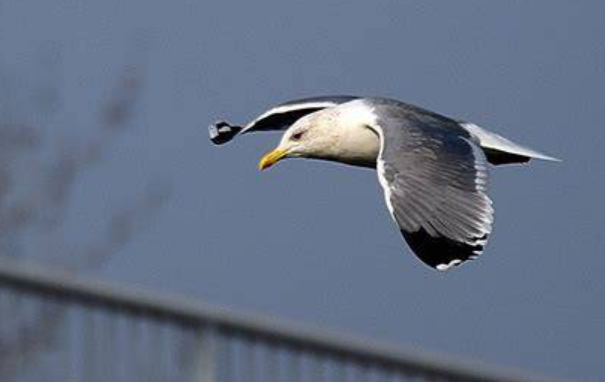
The Yellow-legged Herring Gull (Larus michahellis) is a powerful and assertive species primarily found in the Mediterranean and along the Atlantic coast of Europe. Often mistaken for the American Herring Gull, its distinct yellow legs and darker grey mantle set it apart as a specialized coastal inhabitant.
Habitat Specialization and Foraging
Unlike some smaller gull species that stay close to the shore, the Yellow-legged Gull is a capable deep-sea forager. They are frequently seen following fishing vessels miles offshore, capitalizing on the “bycatch” discarded by nets. Their robust bills allow them to handle a variety of prey, including fish, mollusks, and even smaller birds or eggs.
Adaptation to Urban Environments
In recent decades, the Yellow-legged Gull has shown remarkable plasticity by moving into urban centers. They utilize flat rooftops as nesting sites, which offer safety from terrestrial predators like foxes. This shift highlights their cognitive flexibility and ability to exploit anthropogenic food sources, though it often leads to conflict with human populations.

Black-headed Gulls: Survival Challenges and Unique Charm
The Black-headed Gull (Chroicocephalus ridibundus) is one of the most recognizable gulls in the Northern Hemisphere, particularly during the breeding season when it dons its characteristic dark chocolate-brown hood. Despite its name, the hood is not truly black, and it disappears during the winter months, leaving only a small dark spot behind the eye.
Seasonal Transformations and Migration
These gulls are highly migratory, with populations moving from Northern Europe and Asia to warmer climates in the south during the winter. Their ability to thrive in a variety of habitats—ranging from inland lakes and marshes to coastal estuaries—makes them one of the most widely distributed gull species. This versatility is a primary factor in their survival success.
Threats to Population Stability
Despite their abundance, Black-headed Gulls face significant challenges. Habitat loss due to wetland drainage and the pollution of inland waterways can disrupt breeding cycles. Additionally, they are susceptible to avian influenza, which can devastate entire colonies during the nesting period. Conservation efforts focus on protecting nesting islands and maintaining the water quality of their primary foraging grounds.

Slender-billed Gulls: Graceful Dancers of the Shoreline
The Slender-billed Gull (Chroicocephalus genei) is a bird of elegance and subtlety. Found primarily around the Mediterranean and the Indian Ocean, it is distinguished by its long, thin neck, sloping forehead, and a bill that is noticeably finer than those of its relatives. During the breeding season, its white breast often takes on a delicate pinkish hue.
Specialized Foraging Techniques
The Slender-billed Gull is a specialist of the shoreline and shallow lagoons. Unlike the more aggressive Herring gulls, this species employs a “dancing” motion on the water’s surface or mudflats to disturb small invertebrates and fish. This precise method of hunting requires a stable environment, making the species particularly sensitive to coastal development and rising sea levels.
Breeding and Nesting Habits
They prefer to nest on sandy islands or salt pans, often in the company of terns. Their nests are simple scrapes in the ground, sometimes lined with a bit of vegetation. Because they nest in such exposed areas, they rely heavily on camouflage and the “safety in numbers” provided by mixed-species colonies to protect their young from aerial predators.

Gray-winged Gulls: Elegant Hunters of the North American Coast
Dominating the Pacific Northwest, the Gray-winged Gull (Larus glaucescens) is a large, light-colored gull that thrives in the misty coastal stretches from Alaska to Washington. It is known for its pale grey wingtips, which lack the black markings found on many other large gulls, giving it a ghostly appearance in flight.
Hybridization and Evolutionary Adaptability
A fascinating aspect of Gray-winged Gull biology is their tendency to hybridize with Western Gulls, creating what birders often call “Olympic Gulls.” This genetic mixing suggests a high degree of evolutionary fluidity, allowing the birds to adapt to the specific environmental pressures of the Pacific coast, such as varying sea temperatures and prey availability.
Dietary Breadth and Survival Wisdom
Gray-winged Gulls are master opportunists. While they primarily hunt for fish and marine invertebrates, they are also known to drop hard-shelled mollusks from great heights onto rocks to crack them open—a clear demonstration of tool-use-like behavior and advanced problem-solving skills. They also frequent intertidal zones during low tide to feast on sea stars and crabs.

Black-tailed Gulls: Precision Hunters of the West Coast
Native to East Asia and frequently seen along the coasts of Japan, Korea, and China, the Black-tailed Gull (Larus crassirostris) is an medium-sized gull with a striking appearance. It features a black band across its tail and a red and black spot at the tip of its bill, which serves as a visual cue for chicks during feeding.
The “Mewing” Call and Social Behavior
In Japan, these birds are known as “Umineko” or “Sea Cat” because of their distinctive cat-like calls. This vocalization is central to their social structure, used for everything from territorial disputes to pair-bonding rituals. They are highly territorial during the breeding season, defending their small nesting plots with great intensity.
Hunting and Interaction with Fisheries
Black-tailed Gulls are exceptionally agile flyers. They are often seen performing precision dives into the surf to catch small fish. Their relationship with local fishermen is complex; while they are sometimes seen as pests for stealing bait, they are also revered in certain cultures as messengers of the sea gods, signaling the arrival of fish shoals.

Hunting Strategies and the Flying Shadows of Golden-backed Gulls
The term “Flying Shadows” aptly describes the Golden-backed Gull during its high-speed hunting excursions. These birds have refined their aerial maneuvers to an elite level, allowing them to compete with other marine predators in the open ocean and along rugged coastlines.
Aerial Acrobatics and Kleptoparasitism
Golden-backed Gulls are known for kleptoparasitism—the practice of stealing food from other birds. They will harass pelicans, cormorants, or even other gulls until the victim drops its catch. This strategy requires immense flight precision and timing. Their “golden” mantle reflects sunlight in a way that can momentarily disorient prey or competitors, giving them a split-second advantage.
Dive Bombing and Surface Seizing
When not stealing food, these gulls employ a variety of active hunting methods:
- Surface Seizing: Picking up prey while swimming or hovering just above the water.
- Plunge Diving: Dropping from a height of several meters to catch fish just below the surface.
- Patrolling: Flying in a systematic grid pattern to locate schools of forage fish.

Comparative Analysis of Gull Species
To better understand the diversity within the Laridae family, the following table compares key characteristics of the species discussed in this guide. This data highlights the variations in size, habitat, and distinctive markings that define each bird’s ecological niche.
| Species | Primary Habitat | Distinctive Feature | Conservation Status |
|---|---|---|---|
| Yellow-legged Gull | Mediterranean / Atlantic | Bright yellow legs, dark mantle | Least Concern |
| Black-headed Gull | Eurasia (Inland & Coastal) | Chocolate-brown summer hood | Least Concern |
| Slender-billed Gull | Coastal Lagoons / Salt Pans | Fine bill, pinkish breast flush | Least Concern |
| Gray-winged Gull | North Pacific Coast | Pale grey wingtips (no black) | Least Concern |
| Black-tailed Gull | East Asian Coastline | Black tail band, red/black bill tip | Least Concern |
Frequently Asked Questions (FAQ)
- Q1: How long do gulls typically live in the wild?
- Most gull species are long-lived. While many individuals do not survive their first year, those that reach adulthood can live between 10 to 20 years. Some larger species, like the Herring Gull, have been known to live over 30 years in the wild, provided they have access to stable food sources and are not affected by heavy predation or disease.
- Q2: Why do gulls often stand on one leg?
- This is primarily a thermoregulation tactic. By tucking one leg up into their feathers, gulls reduce the amount of heat lost through their unfeathered limbs. It is a common sight in colder climates or when the birds are resting on cold surfaces like wet sand or ice.
- Q3: Are gulls actually intelligent, or just opportunistic?
- Gulls are remarkably intelligent. They demonstrate high levels of behavioral plasticity, use tools (such as dropping shells to break them), and can remember the timing of human activities (like fishing boat schedules or even school lunch breaks). Their “opportunism” is actually a sign of their cognitive ability to assess and exploit new environments.
- Q4: Can gulls drink saltwater?
- Yes, gulls have specialized supraorbital glands located above their eyes that act as a desalination system. These glands filter excess salt from their bloodstream, which is then excreted through their nostrils as a concentrated saline solution, often seen as “dripping” from the tip of their bills.
- Q5: What is the main threat to gull populations today?
- While many species are abundant, the primary threats include habitat destruction of nesting sites, climate-driven changes in fish populations (their main food source), and plastic pollution. Ingesting plastic can lead to internal injuries or a false sense of fullness, eventually resulting in starvation.