Educational notice: This site provides independent educational information only. Content about disasters, safety, health, survival, weapons, ecology, or environmental risk is not professional, medical, legal, engineering, emergency-response, or safety advice. Consult qualified professionals and official local authorities before making decisions.
The Biological Architecture of Polar Survival
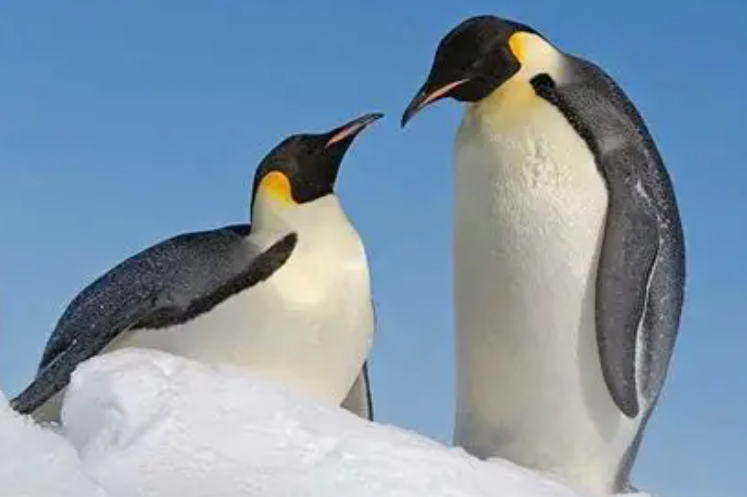
Survival in the Antarctic circle is not merely a matter of endurance; it is a complex biological feat defined by specialized morphology and physiological adaptation. Antarctic birds, including the iconic Emperor Penguin and various species of blue-eyed shags, have evolved to mitigate heat loss through sophisticated internal mechanisms.
Feather Density and Insulation
The primary defense against subzero temperatures is the structural integrity of the plumage. Unlike temperate species, Antarctic birds possess a multi-layered feather system.
- Downy Under-layers: A dense layer of down feathers traps a thick pocket of air against the skin, acting as a high-efficiency thermal insulator.
- Waterproof Overcoats: Specialized oils secreted by preen glands coat the outer feathers, creating a hydrophobic barrier that prevents freezing water from reaching the skin.

Social Thermoregulation and Huddling Dynamics
Beyond individual physiological traits, collective behavior plays a critical role in the survival of colony-based birds. The huddling mechanism of the Emperor Penguin is perhaps the most famous example of cooperative thermoregulation in the animal kingdom.
The Mechanics of the Huddle
Huddling is a dynamic, rotating system that allows individuals to conserve energy while enduring wind chills that can reach -60°C. By clustering together, the colony reduces the surface area exposed to the harsh Antarctic winds.
| Factor | Impact on Survival |
|---|---|
| Surface Area Exposure | Reduced by up to 50% during dense huddling |
| Temperature Regulation | Interior of huddle can reach 37°C |
| Energy Expenditure | Decreased metabolic rate during rest phases |
This social strategy ensures that no single bird remains on the exposed periphery for too long, as the group constantly shifts to allow those on the outside to move toward the warmer center.

Navigating the Antarctic Shoreline
For species like the blue-eyed penguin, the transition from the marine environment to the rocky Antarctic beach presents unique challenges. Mobility on land is constrained by body shape, yet these birds exhibit remarkable persistence in navigating nesting sites.
Environmental Challenges on Land
The coastal environment is characterized by shifting ice, jagged rocks, and high-velocity katabatic winds. These birds rely on a low center of gravity and strong, webbed feet to maintain stability during transit.
- Nesting Site Selection: Proximity to the water is prioritized to minimize the energy cost of commuting between feeding grounds and the colony.
- Predator Awareness: While land predators are scarce, vigilance is maintained against skuas and giant petrels, requiring constant communal monitoring.

Advanced Metabolic Strategies
To sustain life during the long winter, these birds utilize advanced metabolic adjustments. These internal biological shifts are crucial when food sources become seasonal or scarce.
Lipid Storage and Utilization
Before the onset of the harsh winter months, Antarctic birds accumulate significant fat reserves. These lipids serve as the primary fuel source for thermogenesis and physical activity during periods of fasting.
Frequently Asked Questions (FAQ)
- How do Antarctic birds prevent their feet from freezing?
- They utilize a counter-current heat exchange system. Warm arterial blood flowing to the feet transfers its heat to the colder venous blood returning to the heart, keeping the feet just above freezing without losing significant core body heat.
- Why do Emperor Penguins huddle during the winter?
- Huddling is a vital strategy to survive extreme wind chills. It creates a microclimate within the group that significantly reduces heat loss and allows individuals to conserve energy needed for survival and chick rearing.
- How do they stay dry in freezing waters?
- Through a combination of extremely high feather density and waterproof oils, they maintain a dry layer next to their skin, which is essential to prevent rapid heat loss in the water.
- What is the most significant threat to these colonies?
- Climate change, specifically the loss of sea ice, poses the greatest threat as it disrupts breeding cycles and reduces the availability of essential prey like Antarctic krill.