Educational notice: This site provides independent educational information only. Content about disasters, safety, health, survival, weapons, ecology, or environmental risk is not professional, medical, legal, engineering, emergency-response, or safety advice. Consult qualified professionals and official local authorities before making decisions.
The Biological Marvel of the Albatross
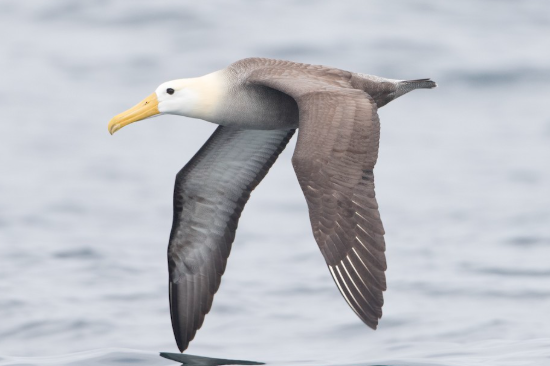
Albatrosses are among the most fascinating creatures on Earth, evolved for a life of perpetual motion across the high seas. With the largest wingspans of any living birds, they utilize dynamic soaring to travel thousands of miles with minimal energy expenditure.
Evolutionary Adaptations for Flight
Their wing structure allows them to lock their joints, enabling them to glide for hours without flapping. This efficiency is essential for long-range foraging, often taking them across entire ocean basins to find food for their chicks.

Critical Threats Facing Albatross Populations
Despite their evolutionary success, albatrosses are currently facing a biodiversity crisis. Human-induced factors have pushed many species toward the brink of extinction.
The Impact of Longline Fishing
Bycatch is the most significant threat. Thousands of albatrosses are accidentally hooked or entangled in longline fishing gear every year while attempting to scavenge bait.
Plastic Pollution and Ingestion
Marine debris, particularly floating plastic, is often mistaken for food. Parents inadvertently feed these indigestible plastics to their chicks, leading to malnutrition, internal injuries, and death.
| Threat Type | Primary Cause | Mitigation Strategy |
|---|---|---|
| Bycatch | Longline Fishing | Night setting & bird-scaring lines |
| Pollution | Ocean Plastic | Global plastic reduction policies |
| Habitat Loss | Invasive Species | Predator eradication programs |

Strategic Conservation Efforts
Saving the albatross requires a multi-pronged approach involving international cooperation, scientific monitoring, and local habitat restoration.
Pro Tips for Supporting Conservation
- Support sustainable seafood initiatives that use bird-safe fishing gear.
- Advocate for the expansion of Marine Protected Areas (MPAs).
- Reduce personal single-use plastic consumption to limit ocean waste.
- Participate in citizen science projects that track migratory patterns.
Frequently Asked Questions (FAQ)
- Why are albatrosses so important to the ocean ecosystem?
- As apex scavengers, they play a vital role in nutrient cycling and maintaining the health of marine populations by consuming carrion and regulating fish stocks.
- How far can an albatross travel in a single trip?
- Some species can cover over 10,000 miles in a single foraging trip, showcasing their incredible endurance and navigational instincts.
- What is the biggest threat to albatross chicks?
- Besides plastic ingestion, introduced predators like rats and mice on nesting islands pose a severe threat to eggs and vulnerable chicks.
- Can individual actions actually help save the species?
- Yes. By shifting consumer demand toward certified sustainable fishing practices, individuals create market pressure that forces the industry to adopt safer equipment.