Educational notice: This site provides independent educational information only. Content about disasters, safety, health, survival, weapons, ecology, or environmental risk is not professional, medical, legal, engineering, emergency-response, or safety advice. Consult qualified professionals and official local authorities before making decisions.
The intersection of sea and sky creates one of the most challenging and competitive environments on Earth. For avian species, surviving in these coastal and marine ecosystems requires more than just the ability to fly; it demands a suite of highly specialized biological adaptations and tactical intelligences. This comprehensive guide explores the diverse array of birds that have mastered the art of the hunt across the world’s oceans and shorelines, dissecting the mechanisms that allow them to thrive where others would fail.
The Underwater Power of Cormorants: Mastery of the Depths
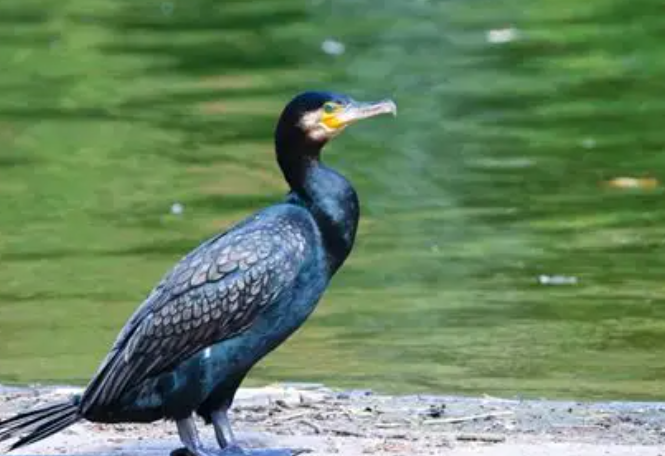
Cormorants are perhaps the most misunderstood yet efficient underwater hunters in the avian world. Unlike many other waterfowl, cormorants possess a unique feather structure that is not entirely waterproof. While this may seem like a biological disadvantage, it is actually a strategic adaptation that reduces buoyancy, allowing the bird to sink more easily and swim with incredible speed and agility beneath the surface.
Biological Adaptations for Sub-Surface Hunting
The cormorant’s body is built for hydrodynamics. Their legs are set far back on their bodies, functioning like powerful propellers. When they dive, they use their webbed feet to generate immense thrust, chasing down agile fish with ease. Their beaks are equipped with a sharp, hook-like tip, designed to grip slippery prey firmly. However, the lack of waterproof oil on their feathers means that after a hunting session, cormorants must spend significant time on land with their wings spread out to dry, a behavior often seen on coastal rocks and piers.
- Dive Depth: Some species of cormorant can dive to depths of over 40 meters.
- Vision: They possess specialized eye lenses that allow for sharp focus both in the air and underwater.
- Energy Efficiency: By reducing the air trapped in their feathers, they minimize the energy required to stay submerged.

Grace and Stillness: The Strategic Hunting of Egrets
In stark contrast to the high-energy pursuit of the cormorant, the egret utilizes a strategy of extreme patience and precision. Found primarily in wetlands, marshes, and shallow coastal waters, egrets are the masters of the “wait-and-see” approach. Their hunting is a display of calculated stillness followed by explosive movement.
The Mechanics of the Strike
Egrets rely on their long, slender legs to wade through shallow water without creating significant ripples that might alert prey. They often stand motionless for several minutes, their keen eyes scanning the water for the slightest movement of a fish or crustacean. Once a target is identified, the egret’s S-shaped neck acts like a coiled spring. In a fraction of a second, the neck extends, and the dagger-like beak pierces the water to secure the meal.
Advanced Foraging Techniques
Beyond simple standing, some egrets employ more active tactics to flush out prey. They may use their feet to stir up the mud at the bottom of a pond or use their wings to create a shadow over the water (canopy feeding), which attracts fish seeking cover. This multi-dimensional approach to hunting ensures their success across various aquatic environments.

High-Speed Impact: The Ballistic Plunge of the Brown Pelican
The brown pelican is one of the most iconic sights along the American coastlines, known for its dramatic plunge-diving technique. This bird is a marvel of aeronautical engineering, capable of spotting a fish from heights of up to 60 feet and striking the water at high speeds without sustaining injury.
The Physics of the Plunge
When a brown pelican dives, it tucks its wings back and extends its neck, turning its body into a living missile. To survive the impact, pelicans have evolved a system of air sacs beneath their skin that act like an internal airbag, cushioning the blow against the water’s surface. As they hit the water, they open their massive gular pouch, which can hold up to three gallons of water and fish.
Feeding and Drainage Logic
Once the pelican has captured its prey, it doesn’t swallow immediately. It must first tilt its head forward to drain the liters of seawater from its pouch. During this vulnerable moment, smaller birds like gulls often attempt to steal the pelican’s catch. Once the water is gone, the pelican tosses its head back to swallow the fish whole.

The Elegant Ocean Hunter: Unveiling the Secrets of the Yuou
The Yuou, often referred to in various coastal cultures as the “Elegant Hunter,” represents a class of seabirds that combine the agility of a swallow with the predatory instincts of a hawk. These birds are typically found far from the shore, navigating the open ocean with a grace that belies their lethal efficiency.
Oceanic Navigation and Foraging
The Yuou is characterized by its long, pointed wings which allow for effortless gliding over ocean currents for hours. Unlike coastal birds that stay near the shelf, the Yuou tracks schools of predatory fish like tuna or mackerel. When these larger fish drive smaller baitfish to the surface, the Yuou strikes from above. Their hunting is not just a matter of individual skill but of understanding the complex relationships between different marine species.
- Wing Loading: High wing-to-body ratio allows for long-distance travel with minimal caloric expenditure.
- Salt Regulation: Like many oceanic hunters, they possess specialized glands to excrete excess salt consumed from seawater.

Aerial Piracy and Cunning: The Survival Tactics of the Antarctic Skua
In the harsh, unforgiving climate of the Antarctic, the Skua has earned a reputation as the “sky pirate.” These birds are the ultimate opportunists, utilizing a combination of scavenging, direct hunting, and kleptoparasitism to survive in one of the coldest places on Earth.
Kleptoparasitism: The Art of the Steal
The Skua is a master of kleptoparasitism—the practice of stealing food from other animals. They frequently harass other seabirds, such as terns or even larger gannets, in mid-air, forcing them to regurgitate or drop their catch, which the Skua then catches before it hits the water. Their flight is aggressive and powerful, allowing them to outmaneuver most other birds in their territory.
Nesting Ground Predators
Skuas are also significant predators within penguin colonies. They work in pairs or small groups to distract adult penguins, allowing one Skua to snatch an egg or a chick. This high level of social coordination and intelligence makes them one of the most successful predators in the polar regions.

Coastal Agility: The Merlin’s Role in Shoreline Ecosystems
While often associated with open moorlands, the Merlin—a small, robust falcon—plays a critical role in coastal ecosystems, particularly during migration periods. These “lady hawks” are specialized in hunting small birds, utilizing the flat terrain of the coast to launch surprise attacks.
The Low-Flight Attack Strategy
Unlike the peregrine falcon, which dives from great heights, the Merlin typically hunts by flying fast and low over the ground or water, mirroring the contours of the landscape. This allows them to stay hidden from their prey until the last possible second. Once a target is flushed, the Merlin engages in a high-speed tail-chase, demonstrating incredible maneuverability.
The presence of Merlins along the coast is often a sign of a healthy ecosystem, as they rely on large populations of shorebirds and songbirds. Their role as a top-tier small predator helps maintain the balance of these avian communities.

Comparative Analysis of Avian Hunting Strategies
To understand the diversity of these birds, we can compare their primary hunting methods and environmental niches. Each species has evolved to fill a specific gap in the ecosystem, ensuring that they do not directly compete for the same resources.
| Species | Primary Environment | Hunting Style | Key Adaptation |
|---|---|---|---|
| Cormorant | Coastal/Inland Waters | Underwater Pursuit | Non-waterproof feathers for diving |
| Egret | Wetlands/Shallows | Still Hunting/Wading | Spring-loaded S-neck |
| Brown Pelican | Coastlines | Plunge Diving | Subcutaneous air sacs |
| Antarctic Skua | Polar Regions | Kleptoparasitism | High intelligence and aerial agility |
| Merlin | Coasts/Open Land | Low-level Tail Chase | High-speed horizontal flight |
Frequently Asked Questions (FAQ)
- Q1: Why do cormorants stand with their wings open?
- Cormorants have less preen oil than other birds, meaning their feathers become waterlogged. This helps them dive deeper by reducing buoyancy, but they must “air dry” their wings afterward to maintain body temperature and flight capability.
- Q2: How do pelicans survive hitting the water at such high speeds?
- Pelicans have a complex system of air sacs under their skin, particularly around the chest and neck. These sacs inflate before impact, acting like a cushion to protect their internal organs from the force of the water.
- Q3: Is the Antarctic Skua a type of gull?
- While they are related to gulls, Skuas belong to a distinct family (Stercorariidae). They are much more predatory and aggressive than typical gulls, with a hook-tipped beak and sharp claws for handling prey.
- Q4: How do egrets avoid scaring fish while wading?
- Egrets move with incredible slow-motion precision. Their thin legs minimize water displacement, and they often use “foot stirring” to gently coax fish into movement without triggering a flight response.
- Q5: What do Merlins eat in coastal areas?
- In coastal regions, Merlins primarily hunt small shorebirds like sandpipers and dunlins, as well as migrating songbirds. They are also known to take large insects like dragonflies mid-air.