Educational notice: This site provides independent educational information only. Content about disasters, safety, health, survival, weapons, ecology, or environmental risk is not professional, medical, legal, engineering, emergency-response, or safety advice. Consult qualified professionals and official local authorities before making decisions.
Our planet is a dynamic system, constantly undergoing geological and meteorological processes that, while essential for life, can also manifest as devastating natural disasters. From the sudden collapse of a mountainside to the overwhelming power of ocean waves and the widespread reach of dust plumes, these events reshape landscapes, challenge human infrastructure, and tragically claim lives. This pillar page offers an exhaustive exploration of three distinct yet equally formidable natural phenomena: mudslides, tsunamis, and sandstorms. We will meticulously dissect their origins, examine their varied impacts, and outline the critical strategies employed globally to predict, prepare for, and respond to their destructive potential.
An Overview of Major Natural Disasters: Types and Global Impact
Natural disasters are extreme events caused by natural processes that can cause significant loss of life, injury, property damage, and widespread disruption. Their increasing frequency and intensity, often exacerbated by climate change and human activity, necessitate a deeper understanding of their underlying mechanisms and broader implications. While the specific triggers and characteristics vary greatly, their common thread is the immense challenge they pose to human societies and ecosystems.
Mudslides: Silent Threat, Devastating Consequences
Mudslides, a specific type of landslide, are rapid flows of debris, rock, soil, and water down a slope. They are often triggered by heavy rainfall or rapid snowmelt, saturating the ground and reducing the friction holding soil particles together. The sheer volume and velocity of a mudslide can wipe out entire communities, destroy infrastructure, and alter river courses. Understanding the geological and meteorological conditions that predispose an area to mudslides is crucial for effective risk assessment and mitigation.
Tsunamis: Ocean’s Fury Unleashed by Seismic Activity
Tsunamis are a series of extraordinarily long waves caused by large-scale disturbances of the ocean, most commonly underwater earthquakes. Unlike typical ocean waves generated by wind, tsunamis can travel across entire oceans with immense energy, often unnoticed in deep water. As they approach coastlines, their speed decreases, but their height dramatically increases, leading to catastrophic coastal inundation. The destructive power of a tsunami lies not only in the height of its waves but also in the sheer volume of water and debris it carries inland.
Sandstorms: Atmospheric Phenomena with Far-Reaching Effects
Sandstorms, also known as dust storms, are meteorological phenomena common in arid and semi-arid regions. They occur when strong winds lift loose sand and dust from dry surfaces, carrying them over vast distances. These storms significantly reduce visibility, pose severe health risks due to airborne particulate matter, and can cause extensive damage to agriculture and infrastructure. Historically, major sandstorms have had profound impacts on human migration, agricultural practices, and even global climate patterns.

The Mechanics Behind Mudslides and Landslides
Mudslides are complex natural phenomena driven by a confluence of geological, hydrological, and sometimes anthropogenic factors. They represent a rapid form of mass wasting, where saturated soil and debris lose stability and flow downslope under the influence of gravity. The initiation and propagation of these events are critically dependent on the interaction of water with soil and rock structures.
Role of Rainfall and Water Saturation
The primary trigger for most mudslides in mountainous and hilly regions is intense or prolonged rainfall. When rain infiltrates the soil, it increases the pore water pressure within the soil mass. This pressure acts to reduce the effective stress between soil particles, essentially lubricating them and decreasing the internal friction that holds the slope stable. As saturation levels rise, the soil’s shear strength diminishes, making it more susceptible to failure. Furthermore, the added weight of the water itself contributes to the gravitational forces acting on the slope. In some scenarios, rapid snowmelt can have a similar effect, quickly introducing large volumes of water into the soil system.
Soil Structure and Geological Factors
The inherent properties of the soil and underlying geology play a pivotal role in determining a slope’s susceptibility to mudslides. Factors include:
- Soil Composition: Fine-grained soils like clays and silts, when saturated, can become highly plastic and lose strength rapidly. Sandy soils, while more permeable, can still fail if water flow is obstructed, leading to localized saturation.
- Underlying Bedrock: The type and orientation of bedrock layers can create planes of weakness. Sloping bedrock layers that dip parallel to the surface can act as slippery surfaces when lubricated by water, facilitating the movement of overlying soil.
- Slope Angle: Steeper slopes naturally have a greater gravitational force acting downslope, making them inherently less stable. There is a critical angle beyond which most unconsolidated material cannot remain stable, especially when saturated.
- Fractures and Faults: Pre-existing geological discontinuities, such as faults, joints, and fractures, can provide pathways for water infiltration and create zones of weakness where failure can initiate.
Human Activities and Vegetation Removal
While natural factors are dominant, human activities often exacerbate the risk of mudslides. Deforestation, particularly on steep slopes, removes the root systems of trees and plants that bind soil together, significantly reducing slope stability. Construction activities, such as road building or terracing, can alter natural drainage patterns, create unstable cut slopes, or add weight to upper slopes, all of which can increase the likelihood of failure. Mining operations and agricultural practices that involve extensive soil disturbance can also contribute to the problem by loosening soil and making it more prone to erosion and mass movement during heavy rains.

Tsunami Formation and Notable Events
Tsunamis are one of nature’s most formidable expressions of power, capable of causing widespread destruction across coastal regions. Their formation is intrinsically linked to large-scale geological disturbances, primarily beneath the ocean floor, which displace massive volumes of water. Understanding these triggers is fundamental to predicting and preparing for these catastrophic events.
Seismic Triggers: Earthquakes and Underwater Volcanic Activity
The vast majority of tsunamis are generated by underwater earthquakes, specifically those that occur at subduction zones where one tectonic plate slides beneath another. When a sudden vertical displacement of the seafloor occurs during a powerful earthquake (typically magnitude 7.5 or greater), it lifts or drops the entire water column above it. This vertical motion creates a ripple effect that propagates outwards as a tsunami. Less commonly, underwater volcanic eruptions, submarine landslides, or even large meteorite impacts can also displace enough water to generate tsunamis. For instance, the collapse of a volcanic flank into the ocean can create a localized but extremely powerful tsunami.
Wave Propagation and Coastal Impact
Once generated, tsunami waves travel across the open ocean at incredible speeds, often comparable to that of a jet airliner (500-800 km/h), yet their height in deep water is typically only a few feet, making them imperceptible to ships. As these waves approach shallower coastal waters, a phenomenon called “shoaling” occurs. The front of the wave slows down due causing the wavelength to decrease and the wave height to dramatically increase, sometimes reaching tens of meters. This surge of water, often appearing as a rapidly rising tide or a series of powerful breaking waves, can penetrate far inland, carrying immense destructive energy. The withdrawal of water from the shore (drawdown) is also a common precursor to a tsunami’s arrival, pulling the coastline far out to sea before the first wave hits.
Case Study: The 2011 Japan Tsunami
The Great East Japan Earthquake and Tsunami of March 11, 2011, serves as a stark reminder of the devastating power of these natural phenomena. A magnitude 9.1 megathrust earthquake occurred off the coast of Honshu, Japan, triggering a massive tsunami that reached heights of over 40 meters in some areas. The tsunami inundated over 500 square kilometers of coastal land, caused widespread destruction to cities and infrastructure, and led to the meltdown of the Fukushima Daiichi Nuclear Power Plant. The event resulted in over 15,000 deaths and profound economic and social disruption. Lessons learned from this disaster have significantly advanced global tsunami warning systems, emergency response protocols, and coastal resilience planning, emphasizing the importance of multi-layered defense strategies, including seawalls, evacuation routes, and public education.

The Phenomenon of Sandstorms and Their Historical Significance
Sandstorms, often interchangeably referred to as dust storms, are powerful atmospheric events that transport vast quantities of soil and sand particles across landscapes and even continents. While they are a natural part of the Earth’s geomorphological processes, their intensity and frequency can be significantly influenced by climate patterns and land management practices. These phenomena are not merely aesthetic inconveniences; they pose serious environmental, health, and economic challenges.
Meteorological Conditions and Dust Transport
The formation of a sandstorm requires a specific combination of meteorological and surface conditions. Primarily, there must be strong winds capable of lifting soil particles from the ground. Wind speeds typically need to exceed a critical threshold, known as the “threshold velocity,” which varies depending on particle size and surface conditions. Secondly, there must be a source of loose, dry soil or sand, often found in arid and semi-arid regions, deserts, or agricultural lands experiencing drought. Once lifted, dust and sand particles are transported through various mechanisms:
- Saltation: Larger sand grains bounce along the surface, dislodging other particles.
- Suspension: Finer dust particles are carried aloft by turbulent winds, sometimes for thousands of kilometers.
- Creep: The largest particles are pushed along the ground by the impact of saltating grains.
The atmospheric stability and presence of thermal inversions can also influence how high and how far dust particles are transported.
Environmental and Health Impacts
The impacts of sandstorms are multifaceted and can be severe:
- Environmental Degradation: They contribute to soil erosion, desertification, and nutrient loss from fertile lands. Deposited dust can also affect ecosystems by burying vegetation, altering soil chemistry, and impacting aquatic life.
- Reduced Visibility: Severely impaired visibility poses significant hazards to transportation, leading to road closures, flight delays, and increased accident risks.
- Health Risks: Airborne particulate matter (PM2.5 and PM10) from sandstorms can penetrate deep into the respiratory system, causing or exacerbating conditions like asthma, bronchitis, and other respiratory illnesses. The dust can also carry bacteria, fungi, and pollutants, further compounding health concerns.
- Agricultural Damage: Sandstorms can damage crops through abrasion, burial, and reduced photosynthesis due to light blockage. They can also affect livestock health.
Historical Major Sandstorm Events
Throughout history, sandstorms have played a significant role in shaping human societies and ecosystems. One of the most infamous examples is the Dust Bowl in the American Great Plains during the 1930s. Decades of unsustainable farming practices, coupled with severe drought and high winds, led to massive dust storms that devastated agriculture, forced widespread migration, and had profound economic and social consequences. Another notable example is the recurrent “Yellow Dust” or “Asian Dust” phenomena originating from the deserts of Mongolia and China, which regularly affect Korea, Japan, and even parts of North America. Historical records document these events for centuries, illustrating their consistent impact on regional air quality, health, and agriculture. These historical events underscore the critical need for sustainable land management and early warning systems in vulnerable regions.

Mitigation, Preparedness, and Response Strategies for Natural Disasters
While natural disasters are inevitable, their impact can be significantly reduced through proactive mitigation, robust preparedness, and effective response strategies. These strategies involve a multi-disciplinary approach, integrating scientific understanding, technological innovation, policy development, and community engagement. The goal is to build resilience, minimize casualties, and ensure a swift recovery.
Early Warning Systems and Technology
Early warning systems (EWS) are critical for providing timely information to at-risk populations, allowing for evacuation and other preparatory actions. These systems leverage advanced technology and scientific understanding:
- Seismic Networks: For tsunamis, global networks of seismographs detect earthquakes, while DART (Deep-ocean Assessment and Reporting of Tsunamis) buoys monitor ocean pressure changes to confirm tsunami generation.
- Weather Radar and Satellite Imagery: For mudslides and sandstorms, these tools help monitor rainfall patterns, soil moisture, and atmospheric conditions conducive to their formation. Remote sensing also aids in identifying vulnerable slopes.
- Real-time Data Analysis: Sophisticated models integrate data from various sources to predict the trajectory, intensity, and potential impact zones of developing hazards.
- Dissemination Channels: Alerts are rapidly transmitted via sirens, SMS, social media, radio, television, and public address systems to ensure maximum reach.
The effectiveness of an EWS is not just in its technology but also in the public’s understanding and trust in the warnings issued.
Community Preparedness and Education
Beyond technological solutions, community-level preparedness is paramount. This involves educating individuals and communities about the risks they face and how to react:
- Evacuation Plans: Clear, well-marked evacuation routes and designated safe zones are essential, especially for tsunamis and mudslides. Regular drills ensure familiarity and efficiency.
- Emergency Kits: Promoting the assembly of emergency kits containing food, water, first aid, and essential documents empowers individuals to be self-sufficient for a critical period.
- Building Codes and Land-Use Planning: Implementing strict building codes in disaster-prone areas and restricting construction in high-risk zones (e.g., floodplains, unstable slopes) are fundamental mitigation measures.
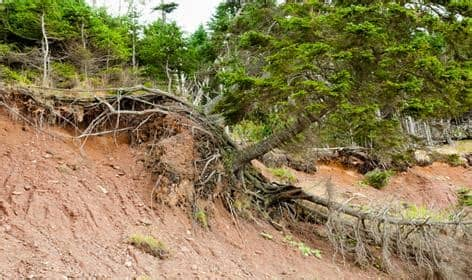
- Public Awareness Campaigns: Educational programs that explain the science of disasters, local risks, and personal safety measures are crucial for fostering a culture of preparedness. For instance, knowing the signs of an impending mudslide (e.g., leaning trees, cracks in the ground) or the natural warning signs of a tsunami (e.g., sudden ocean recession) can save lives.
International Cooperation and Disaster Relief
Many natural disasters transcend national borders, necessitating strong international cooperation for effective response and long-term recovery. This includes:
- Information Sharing: Collaborative efforts among meteorological and geological agencies across different countries to share data and forecasts, particularly for cross-border phenomena like sandstorms or trans-oceanic tsunamis.
- Humanitarian Aid: International organizations and governments provide crucial humanitarian aid, including search and rescue teams, medical assistance, food, shelter, and logistical support in the immediate aftermath of large-scale disasters.
- Capacity Building: Developed nations often support developing countries in building their disaster management capabilities through training, technology transfer, and funding for infrastructure improvements.
- Research and Development: Global collaboration in scientific research helps improve our understanding of disaster mechanisms, refine prediction models, and develop innovative mitigation technologies. The sharing of lessons learned from past disasters, such as the 2011 Japan Tsunami, is vital for continuous improvement in global disaster resilience.
Frequently Asked Questions (FAQ)
- Q1: What are the primary differences between a mudslide and a landslide?
- While both are types of mass wasting, a landslide is a general term for any downward movement of rock, debris, or earth. A mudslide is a specific type of landslide characterized by the rapid flow of water-saturated soil, rock, and debris, often resembling a river of mud. Mudslides typically involve a higher water content and faster movement than many other forms of landslides, making them particularly destructive.
- Q2: Can tsunamis be predicted, and how much warning time do coastal communities typically have?
- Yes, tsunamis can be predicted, especially those generated by distant earthquakes. Modern Tsunami Early Warning Systems (like those in the Pacific and Indian Oceans) utilize seismic sensors and deep-ocean buoys (DART systems) to detect potential tsunami-generating earthquakes and confirm wave propagation. Warning times vary significantly: for distant tsunamis, communities might have several hours of warning, allowing for systematic evacuation. For local tsunamis generated by nearby earthquakes, warning times can be as short as minutes, emphasizing the need for immediate self-evacuation based on ground shaking or ocean recession.
- Q3: What are the long-term health effects of exposure to sandstorms?
- Long-term exposure to sandstorms, especially those carrying fine particulate matter (PM2.5), can have significant health consequences. These include chronic respiratory illnesses such as asthma, chronic bronchitis, and emphysema. The dust can also exacerbate cardiovascular diseases, increase the risk of lung cancer, and potentially carry pathogens, leading to infectious diseases. Children and the elderly are particularly vulnerable to these long-term health impacts.
- Q4: How does climate change influence the occurrence and intensity of these natural disasters?
- Climate change is increasingly linked to the altered patterns of natural disasters. For mudslides, increased frequency and intensity of extreme rainfall events can lead to greater soil saturation and slope instability. For tsunamis, while direct causation is less clear, sea-level rise can exacerbate their destructive potential by allowing waves to penetrate further inland. For sandstorms, prolonged droughts, desertification, and changes in wind patterns, all influenced by climate change, can increase the aridity of landscapes and the frequency and severity of dust events.
- Q5: What practical steps can individuals take to prepare for a mudslide, tsunami, or sandstorm?
- Individual preparedness is crucial. For mudslides, know if you live in a risk zone, monitor local warnings, and have an evacuation plan. For tsunamis, understand natural warning signs (strong earthquake, ocean recession), know your evacuation route to higher ground, and have an emergency kit. For sandstorms, stay indoors, close windows and doors, wear masks if outdoors, and protect eyes. In all cases, having an emergency kit, a family communication plan, and staying informed through official channels are vital.