Educational notice: This site provides independent educational information only. Content about disasters, safety, health, survival, weapons, ecology, or environmental risk is not professional, medical, legal, engineering, emergency-response, or safety advice. Consult qualified professionals and official local authorities before making decisions.
Understanding the Core Concept of Sustainable Seafood
The concept of sustainable seafood extends far beyond simply avoiding endangered species. It represents a holistic, scientifically-backed approach to harvesting marine life in a way that respects the delicate balance of aquatic ecosystems, ensures the long-term vitality of targeted species, and supports the livelihoods of fishing communities worldwide. At its core, sustainable seafood means catching or farming fish and shellfish at a rate that allows populations to replenish themselves indefinitely, without inflicting irreversible damage on the surrounding environment.
To truly grasp this concept, we must look at the multidimensional mechanisms that define sustainability in the modern fishing industry. This involves rigorous stock assessments, the implementation of scientifically determined catch limits (quotas), and the continuous monitoring of fishing gear impacts on benthic (ocean floor) habitats.
The Three Pillars of Marine Sustainability
Sustainability in the seafood sector is generally evaluated through three primary lenses, each requiring strict adherence to operational protocols and ecological boundaries:
- Target Stock Health: The fishery must ensure that the primary species being harvested is abundant and reproducing at healthy rates. This prevents overfishing and allows the stock to maintain maximum sustainable yield (MSY).
- Ecosystem Impact: Fishing operations must minimize their footprint. This means drastically reducing bycatch (the unintentional capture of non-target species like dolphins, sea turtles, or juvenile fish) and avoiding destructive gear like bottom trawlers that devastate coral reefs and sea grass beds.
- Effective Management: A sustainable fishery must be governed by robust, adaptable, and scientifically informed management systems. This includes strict enforcement of maritime laws, transparent reporting, and the ability to rapidly adjust quotas in response to environmental shifts.

7 Crucial Considerations for Choosing Sustainable Seafood
For the average consumer, navigating the seafood counter can feel overwhelming. However, transforming your purchasing habits into a powerful tool for ocean conservation is entirely possible when armed with the right analytical framework. By evaluating seafood through these seven critical considerations, you can ensure your choices actively contribute to marine resilience.
1. Fishing Methods and Gear Types
The methodology used to harvest seafood is arguably the most significant determinant of its sustainability. Passive gear types, such as pole-and-line, troll, or traps, generally have a much lower environmental impact compared to active, indiscriminate gear. For instance, purse seining without Fish Aggregating Devices (FADs) significantly reduces the accidental bycatch of sharks and juvenile tuna. Always inquire about or research the specific gear used to catch your fish.
2. Wild-Caught vs. Farmed (Aquaculture)
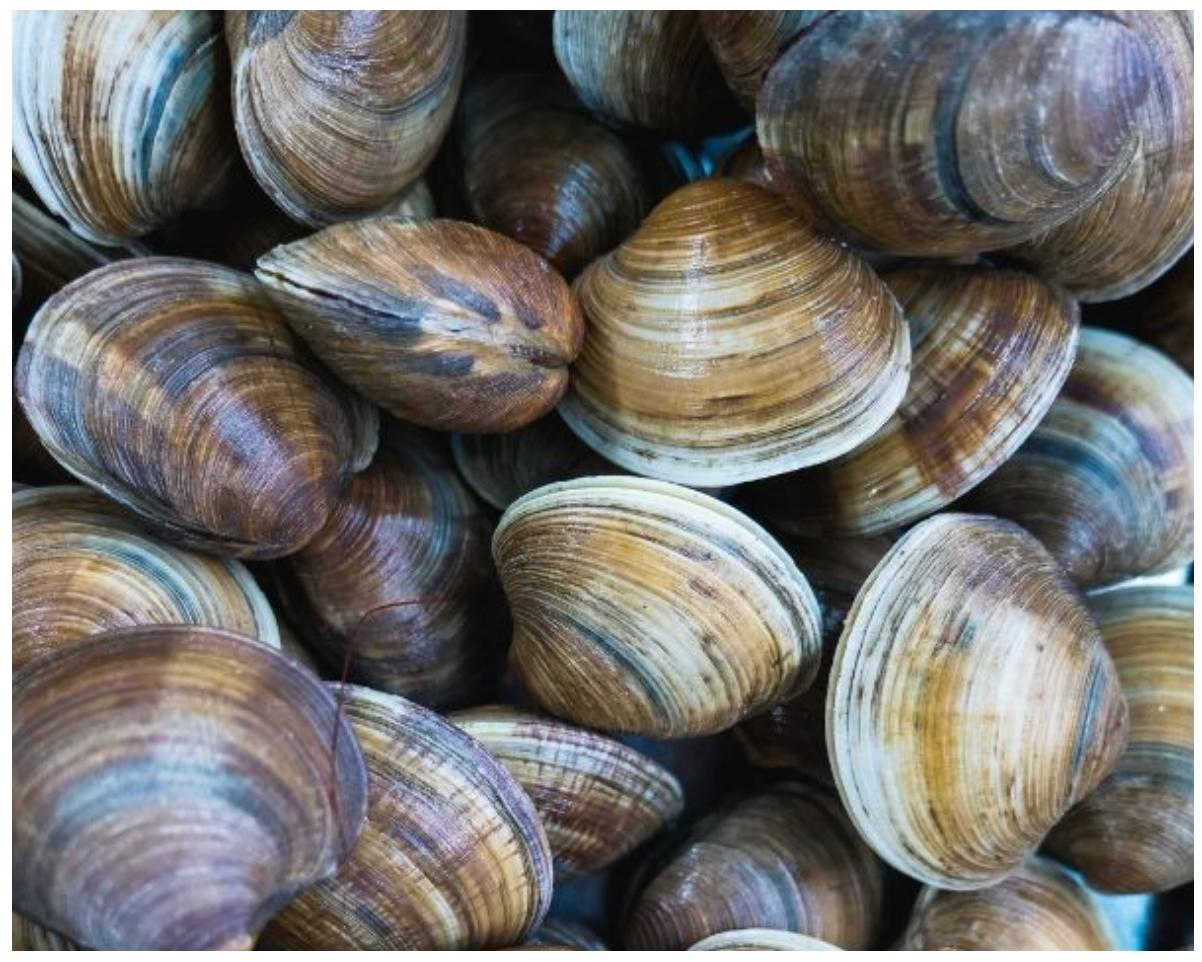
The debate between wild-caught and farmed seafood is nuanced. While poorly managed aquaculture can lead to coastal pollution, disease outbreaks, and the depletion of wild forage fish for feed, closed-loop land-based Recirculating Aquaculture Systems (RAS) or responsibly managed offshore pens can be highly sustainable. Bivalves like oysters, mussels, and clams are inherently sustainable farmed options because they are filter feeders that actually clean the water.
3. Geographic Origin and Local Regulations
The origin of your seafood heavily dictates the stringency of the environmental regulations governing its harvest. Seafood caught or farmed in regions with robust fisheries management—such as the United States, Norway, or New Zealand—often adheres to strict environmental laws, whereas seafood from regions with high rates of Illegal, Unreported, and Unregulated (IUU) fishing carries a massive ecological risk.
4. The Trophic Level of the Species
Eating lower on the marine food web is a highly effective sustainability strategy. Small, fast-reproducing pelagic fish like sardines, anchovies, and herring require fewer resources to thrive and are less susceptible to overfishing than apex predators like bluefin tuna or swordfish, which take years to reach sexual maturity.
5. Traceability and Supply Chain Transparency
Sustainable seafood must be traceable from bait to plate. Transparent supply chains prevent seafood fraud—where a cheaper, less sustainable fish is mislabeled as a premium species. Look for brands that utilize blockchain technology or detailed QR codes to map the exact journey of the fish.
6. Seasonality and Reproductive Cycles
Just like terrestrial produce, seafood has seasons. Purchasing fish outside of their spawning seasons ensures that the species has had the opportunity to reproduce and replenish its population. Consuming roe-bearing females or fishing during peak breeding aggregations can decimate future generations.
7. Carbon Footprint and Transportation
Sustainability also encompasses the broader environmental impact, including greenhouse gas emissions. Fresh fish flown in via air freight has an astronomical carbon footprint compared to locally caught fish or sustainably harvested seafood that was flash-frozen at sea and transported via ocean freight.

Decoding Eco-Labels: Navigating Sustainable Seafood Certifications
Eco-labels are visual indicators designed to simplify the complex world of seafood sustainability for consumers. However, not all labels are created equal. Some represent rigorous, independent third-party audits, while others are mere marketing jargon (greenwashing). Understanding the specific criteria behind the world’s leading marine certifications is essential for making genuinely ethical purchases.
The certification landscape is primarily divided into wild-caught fisheries and aquaculture operations, each requiring entirely different sets of ecological metrics to determine sustainability.
Leading Global Seafood Certifications
To navigate this landscape effectively, consumers must familiarize themselves with the most authoritative bodies in marine conservation. Below is a detailed breakdown of the most reliable eco-labels you will encounter.
| Eco-Label / Certification | Scope | Core Focus and Stringency |
|---|---|---|
| Marine Stewardship Council (MSC) | Wild-Caught | The gold standard for wild fisheries. Focuses on healthy fish stocks, minimized ecosystem impact, and effective, responsive management. Requires independent, third-party scientific assessment. |
| Aquaculture Stewardship Council (ASC) | Farmed (Aquaculture) | The equivalent of MSC for farmed seafood. Strict guidelines on water quality, disease management, feed sourcing (reducing wild fish in feed), and fair labor practices for farm workers. |
| Best Aquaculture Practices (BAP) | Farmed (Aquaculture) | A comprehensive star-based rating system (1 to 4 stars) that evaluates the entire aquaculture production chain: processing plants, farms, hatcheries, and feed mills. |
| Seafood Watch (Monterey Bay Aquarium) | Wild & Farmed | Not an on-package label, but a highly respected rating system (Green/Best Choice, Yellow/Good Alternative, Red/Avoid) based on exhaustive peer-reviewed scientific research. |

Seafood Species Most Vulnerable to Climate Change
While overfishing has historically been the primary threat to marine life, anthropogenic climate change is rapidly emerging as an equally devastating force. The oceans absorb approximately 30% of the carbon dioxide emitted into the atmosphere and over 90% of the excess heat generated by greenhouse gases. This results in rising sea temperatures, ocean acidification, and widespread deoxygenation, creating a triad of existential threats for numerous commercially vital seafood species.
Understanding which species are most vulnerable allows consumers to adjust their diets to avoid putting additional pressure on stocks that are already battling severe environmental stressors.
The Threat of Ocean Acidification to Calcifying Organisms
As the ocean absorbs CO2, its pH levels drop, a process known as ocean acidification. This chemical shift drastically reduces the availability of carbonate ions, which are the fundamental building blocks required by calcifying marine organisms to construct their shells and skeletons.
- Oysters, Clams, and Scallops: Juvenile bivalves are highly susceptible to acidification. In regions like the Pacific Northwest, acidic upwellings have previously caused massive die-offs in oyster hatcheries because the larvae expend too much energy trying to build shells in corrosive waters, ultimately perishing.
- Crustaceans (Crabs and Lobsters): While some crustaceans show mixed responses to acidification, species like the Dungeness crab are experiencing sensory disruption and weakened carapaces, making them more vulnerable to predators and environmental shock.
Temperature Shifts and Cold-Water Species
Rising sea surface temperatures are forcing marine species to migrate toward the poles or into deeper waters in search of their optimal thermal habitats. This migration disrupts established fisheries and threatens species with narrow thermal tolerances.
- Atlantic Cod: A historically crucial fishery, cod populations are struggling to rebuild despite strict catch limits. Warming waters in the Gulf of Maine have reduced the survival rates of juvenile cod, severely hindering population recovery.
- Pacific Salmon: Salmon rely on cold, oxygen-rich rivers for spawning. Heatwaves and reduced snowpack lead to lethally warm river temperatures, causing massive pre-spawn mortalities and threatening both the species and the indigenous communities that rely on them.

The Unique Sustainability and Climate Challenges of Squid
Squid, often marketed as calamari, represent one of the most fascinating yet highly volatile segments of the global seafood market. As traditional finfish stocks decline, the commercial fishing industry has increasingly pivoted toward cephalopods. While squid are often touted as a sustainable alternative due to their rapid growth and short lifespans, they present a unique set of management and climate-related challenges that defy conventional fishery models.
Squid populations operate on a “boom-and-bust” dynamic. Because most commercially harvested squid live for less than a year, dying shortly after spawning, the entire global population replaces itself annually. This makes them incredibly responsive to short-term environmental fluctuations, complicating long-term sustainability assessments.
Climate Sensitivity and Population Volatility
Squid are highly sensitive to oceanic temperatures and currents, which dictate the success of their spawning events and the availability of their planktonic food sources.
- El Niño and La Niña Impacts: Major oceanographic events like El Niño can drastically alter water temperatures and nutrient upwellings. For species like the Jumbo Flying Squid (Dosidicus gigas) in the Eastern Pacific, these temperature shifts can cause massive geographic range expansions or sudden population collapses, making quota-setting incredibly difficult for fishery managers.
- Metabolic Demands: Squid have extremely high metabolic rates. As ocean temperatures rise, their metabolic demands increase. If this is not matched by an increase in available prey, starvation events can decimate regional populations rapidly.
Unregulated Fishing in International Waters
Beyond climate challenges, squid fisheries face a massive governance crisis. A significant portion of the global squid catch occurs in the high seas—areas beyond the Exclusive Economic Zones (EEZs) of any single nation. Vast fleets of distant-water jigging vessels operate with minimal oversight, leading to severe concerns regarding unregulated overfishing, lack of catch reporting, and the use of intense artificial lights that disrupt marine ecosystems.

How to Build a Sustainable Seafood Diet: Advanced Strategies
Transitioning to a fully sustainable seafood diet requires more than just checking for a blue MSC tick. It demands a paradigm shift in how we view marine protein, moving away from a monoculture of popular species toward a diverse, ecologically balanced culinary approach. By implementing advanced purchasing strategies, consumers and chefs can actively drive market demand toward regenerative ocean practices.
The goal is to align our consumption patterns with the natural productivity of the ocean, eating what the ecosystem can abundantly provide rather than forcing the ecosystem to produce what we habitually demand.
Diversify Your Palate: The “Trash Fish” Movement
One of the most effective ways to support sustainable fisheries is to eat a wider variety of species. Currently, the vast majority of seafood consumption in Western countries is limited to shrimp, salmon, and tuna. This hyper-focus drives overfishing and incentivizes unsustainable aquaculture.
Embrace underutilized, highly abundant species—often unfairly labeled as “trash fish” or bycatch. Species like porgy, sea robin, dogfish, and lionfish (an invasive species whose consumption directly benefits reef ecosystems) are delicious, highly sustainable, and often much more affordable than premium predatory fish.
Prioritize Bivalves and Seaweed
To truly eat sustainably, prioritize organisms that have a net-positive impact on their environment. Farmed bivalves (oysters, mussels, clams) require no external feed, fertilizers, or antibiotics. Instead, they extract their nutrients directly from the water column, filtering out excess nitrogen and improving water clarity.
Similarly, edible seaweeds (kelp, wakame, dulse) are zero-input crops that sequester carbon dioxide and locally buffer against ocean acidification. Integrating these restorative species into your diet is the pinnacle of sustainable seafood consumption.

The Role of Traceability Technology in Ocean Conservation
As global supply chains become increasingly complex, ensuring the authenticity and sustainability of seafood has become a monumental challenge. Seafood fraud—where lower-value or illegally caught fish is deliberately mislabeled as a sustainable, premium product—undermines conservation efforts and deceives well-intentioned consumers. To combat this, the industry is rapidly adopting advanced traceability technologies.
Traceability is the backbone of accountability. It ensures that the ecological claims made at the point of sale are verifiable all the way back to the exact vessel, time, and location of the catch.
Blockchain and DNA Testing
Modern traceability utilizes sophisticated data systems to create an immutable record of a fish’s journey. When a fish is landed, it is tagged with a unique identifier (often a QR code) that logs crucial data points: the species, catch method, geographic coordinates, and the vessel’s registration.
- Blockchain Integration: By storing this supply chain data on a decentralized blockchain, companies ensure that the records cannot be altered or falsified by middlemen, guaranteeing that the seafood reaching the consumer is legally and sustainably harvested.
- Genetic Verification: In high-risk supply chains, DNA barcoding is being deployed to conduct spot checks. This scientific method definitively identifies the species, completely eliminating the possibility of visual misidentification or intentional substitution of endangered species.

Overfishing vs. Bycatch: Understanding Primary Marine Threats
To advocate for sustainable seafood, one must understand the dual threats that irresponsible fishing practices pose to marine biodiversity: overfishing and bycatch. While they are distinct issues, they frequently occur simultaneously, compounding the degradation of marine ecosystems.
Addressing these threats requires strict regulatory frameworks, technological innovation in gear design, and consumer pressure demanding accountability from seafood producers.
The Mechanics of Overfishing
Overfishing occurs when a specific species is extracted from the ocean at a rate faster than it can naturally reproduce. This depletes the breeding stock, leading to a population collapse. Overfishing is driven by massive industrial fleets utilizing advanced technologies—such as sonar, spotter planes, and satellite data—that leave fish with virtually no safe havens. The collapse of the Newfoundland Grand Banks cod fishery in the 1990s serves as a stark historical warning of the irreversible economic and ecological damage caused by unchecked overfishing.
The Devastation of Bycatch
Bycatch refers to the incidental capture of non-target species. This is primarily caused by non-selective fishing gear, such as pelagic longlines (which can stretch for miles, baiting thousands of hooks) and bottom trawls (massive nets dragged across the seafloor).
Bycatch victims include endangered sea turtles, albatrosses, dolphins, and millions of tons of untargeted fish, which are often thrown back into the ocean dead or dying. Sustainable fisheries combat bycatch by implementing gear modifications, such as Turtle Excluder Devices (TEDs) in shrimp trawls, or by switching to highly selective methods like harpooning or pole-and-line fishing.

The Future of Aquaculture: Balancing Demand and Ecology
With wild fish capture plateauing since the late 1980s, aquaculture (fish farming) has rapidly expanded to meet the soaring global demand for marine protein. Today, more than half of the seafood consumed globally is farmed. However, the future of ocean health depends heavily on whether this industry scales utilizing destructive legacy methods or embraces innovative, ecologically restorative technologies.
The transition toward sustainable aquaculture is one of the most critical environmental mandates of the 21st century, requiring a massive shift in feed production, disease management, and facility design.
Innovations in Sustainable Fish Farming
Historically, farming carnivorous fish like salmon required massive amounts of wild-caught forage fish to produce fishmeal, creating a net loss of marine protein. Modern sustainable aquaculture is actively solving this bottleneck through technological innovation.
- Alternative Feeds: Cutting-edge farms are replacing wild fishmeal with alternative proteins, including insect larvae (like black soldier flies), microalgae, and genetically modified plant proteins. These alternatives provide the necessary Omega-3 fatty acids without depleting wild pelagic fish stocks.
- Recirculating Aquaculture Systems (RAS): RAS technology moves fish farming entirely onto land. These closed-loop facilities continuously filter and reuse up to 99% of their water. Because they are isolated from natural waterways, RAS eliminates the risk of fish escapes, prevents the spread of diseases to wild populations, and completely stops chemical and nutrient pollution from entering coastal ecosystems.

Empowering Consumers: Steps to Make a Tangible Difference
The transition toward a sustainable global seafood industry is not solely the responsibility of governments and commercial fleets; consumer purchasing power is an incredibly potent catalyst for change. Every time you purchase seafood, you are voting with your wallet, signaling to the market which practices you are willing to subsidize.
By internalizing the principles of sustainability and demanding transparency, everyday consumers can force supply chains to adapt, ultimately protecting marine biodiversity for future generations.
Actionable Steps for the Everyday Buyer
Transforming your seafood purchasing habits doesn’t require a degree in marine biology. By consistently applying a few straightforward rules, you can ensure your diet aligns with ocean conservation goals.
- Ask Questions Relentlessly: Whether at a high-end restaurant or a local grocery store, always ask: “What species is this? Where was it caught? How was it caught?” If the vendor cannot provide these answers, the seafood is likely not sustainable.
- Utilize Seafood Guides: Download apps like the Monterey Bay Aquarium’s Seafood Watch. These tools provide real-time, scientifically backed recommendations based on your geographic location, taking the guesswork out of purchasing.
- Support Local, Small-Scale Fishers: Whenever possible, purchase directly from local Community Supported Fishery (CSF) programs. Small-scale, day-boat fishers generally use low-impact gear and contribute to the local economy, while bypassing the opaque, carbon-heavy international supply chains.
Frequently Asked Questions (FAQ)
- What is the most sustainable seafood I can eat?
- The most sustainable seafood options are generally farmed bivalves, such as oysters, mussels, and clams. They require no external feed, do not rely on antibiotics, and actively filter and clean the water they grow in. Additionally, consuming invasive species like lionfish or relying on sustainably harvested seaweed are highly beneficial to marine ecosystems.
- Does “wild-caught” automatically mean sustainable?
- No. While “wild-caught” sounds natural, it is not a guarantee of sustainability. Wild-caught seafood can be harvested using highly destructive methods like bottom trawling, or it could belong to a severely overfished population. You must also consider the gear type used and the current health of the specific fish stock.
- How does climate change directly affect seafood populations?
- Climate change impacts seafood through rising water temperatures, which force species to migrate and disrupt breeding cycles, and ocean acidification, which degrades the ability of shellfish and crustaceans to form their calcium carbonate shells. It also leads to deoxygenated “dead zones” where marine life cannot survive.
- Why are squid considered a complex sustainability issue?
- Squid are complex because they have very short, one-year lifespans and highly volatile populations that fluctuate wildly based on ocean temperatures and climate events like El Niño. Furthermore, a massive portion of the global squid catch happens in unregulated international waters, making population monitoring and quota enforcement incredibly difficult.
- Are eco-labels like MSC and ASC truly reliable?
- Yes, certifications like the Marine Stewardship Council (MSC) and Aquaculture Stewardship Council (ASC) are currently among the most reliable indicators of sustainability. They rely on rigorous, independent third-party scientific audits. While no system is flawless, purchasing certified seafood is vastly superior to buying uncertified, untraceable products.