Educational notice: This site provides independent educational information only. Content about disasters, safety, health, survival, weapons, ecology, or environmental risk is not professional, medical, legal, engineering, emergency-response, or safety advice. Consult qualified professionals and official local authorities before making decisions.
Imagine you’re standing on the Mongolian Plateau or the vast plains of North America. The wind howls unhindered from the horizon, and the silence is almost unsettling. Many people’s first thought upon seeing such a landscape is, “There seems to be nothing here.”
Subconsciously, we always feel that grasslands are nature’s “half-finished products.” With more rain and more time, they should eventually become lush forests, right?
I have to tell you—this is a huge ecological misunderstanding.
The grassland is not a “failed forest”; it is a highly complex ecosystem full of violent aesthetics—you could say it is the special forces of plants . In order to defend their territory, these plants have evolved two ultimate weapons: one is a physiological mechanism that makes them “unkillable,” and the other is their hot-tempered “geological godfather.”
Weapon One: The Cheating “Immortality”
Why does your backyard lawn keep growing even after being mowed countless times?
If you did the same to a sapling—cut off the top—it would basically die.
The underlying logic is quite hardcore: most trees place their growth point (the most active branching area at the top) on their heads to compete for sunlight, and once that point is eaten, the game is over.
Herbaceous plants—especially grasses—have evolved a basal growth mechanism , hiding their growth points near the ground surface or even burying them underground.
This is a profound philosophical wisdom about survival: sometimes bowing your head isn’t admitting defeat, but rather a means to survive.
Bison bow their heads to graze, wildfires rage, taking only the old leaves. The true “brains” and “factories” remain safely underground. Once the crisis is over, they immediately regenerate from their stored energy reserves.
Weapon Two: The Arsonist’s Self-Cultivation
If “resistance to chew” is a passive defense, then “setting fire” is the grassland’s active attack.
Indeed, grasslands are one of nature’s greatest arsonists . Dry grass is the perfect ignition source. Wildfires ignited by lightning can instantly reduce saplings attempting to invade to ashes—because their buds are exposed to the flames.
And the grass? Its growing point lies hidden in the cool soil below, unharmed. After the fire, the competitors are cleared away, and the dead branches and leaves on the surface turn into ash fertilizer, and the grassland rejoices.
The Hidden Sponsors: Who’s Paying for This War?
Grassland plants grow rapidly with extensive root systems (their underground biomass is often 5–10 times that of the above-ground biomass), and they undergo a cycle of birth and death every year. Such a high-intensity metabolism requires a continuous supply of minerals: phosphorus, potassium, calcium, magnesium…
The cycle of dead grass leaves alone is simply not enough.
So, where do these “golden bars of nutrition” come from?
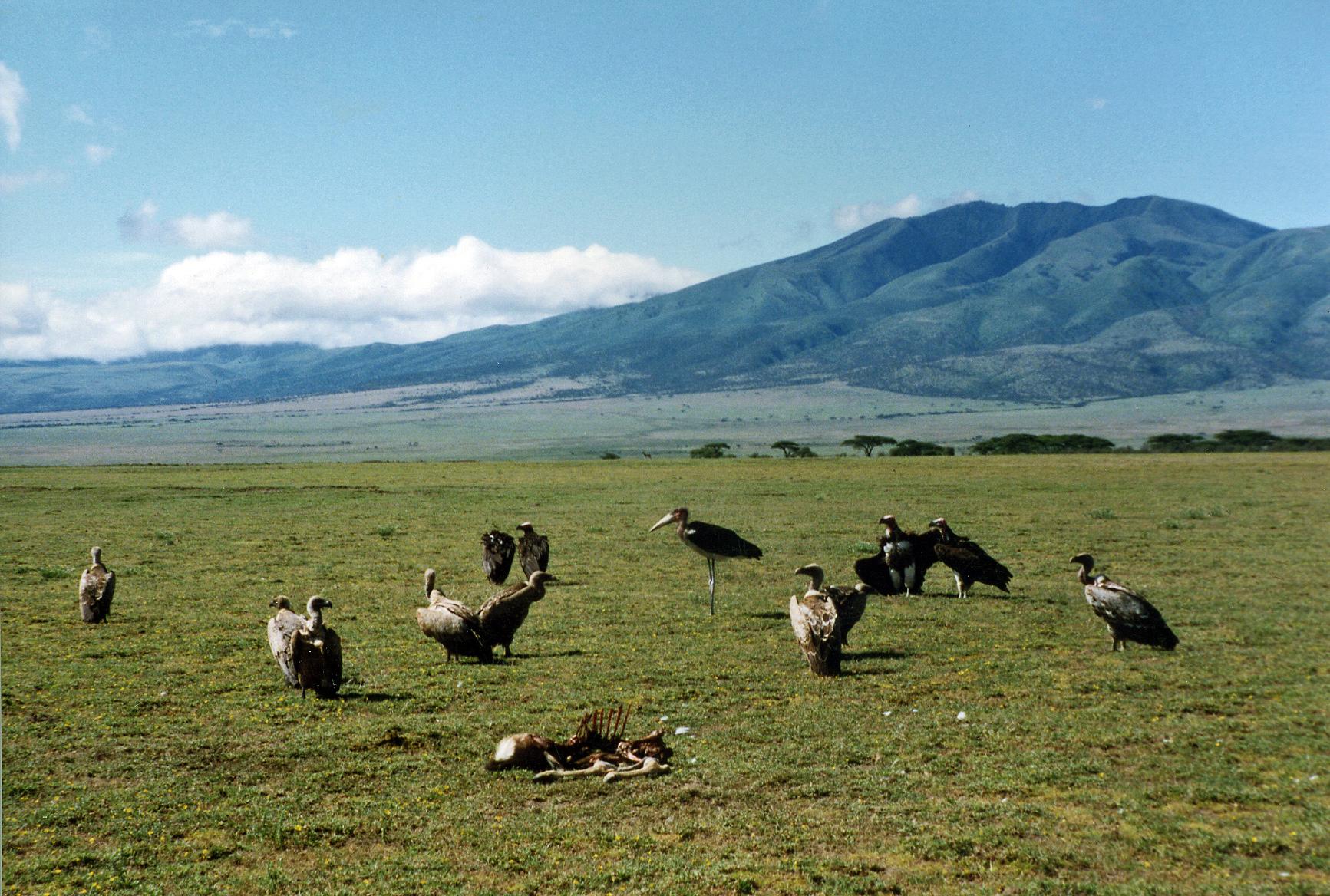
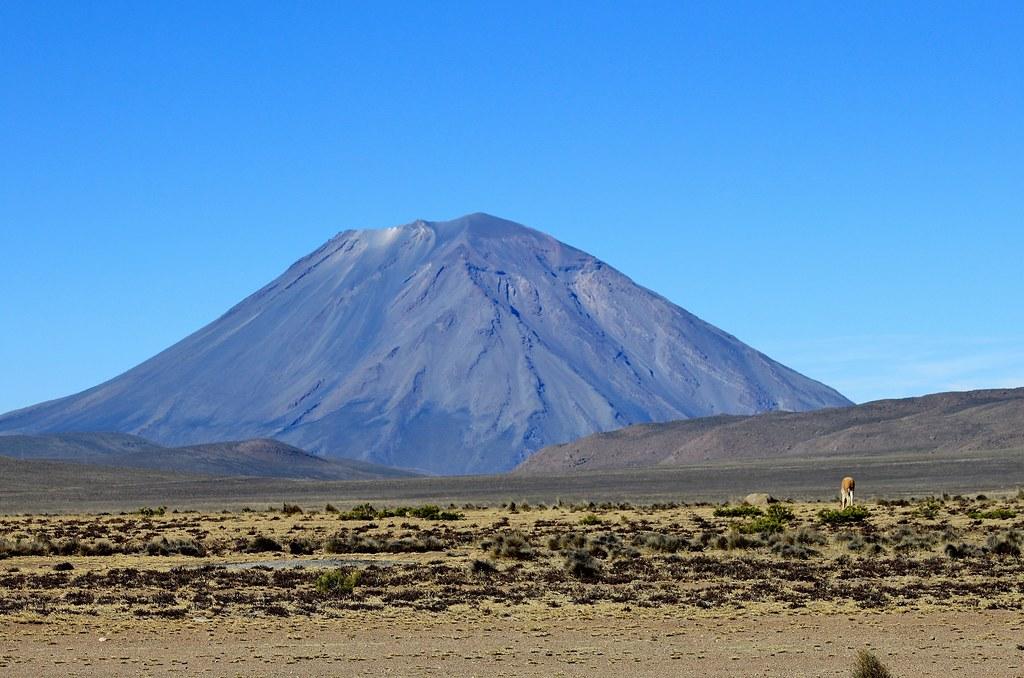
If you were to peel back the surface of the Earth and look at the world’s most fertile grasslands—such as the Serengeti in East Africa or the Pampas in South America —you would find an astonishing coincidence: upstream of them, there is always a volatile neighbor—a volcano .