Educational notice: This site provides independent educational information only. Content about disasters, safety, health, survival, weapons, ecology, or environmental risk is not professional, medical, legal, engineering, emergency-response, or safety advice. Consult qualified professionals and official local authorities before making decisions.
Our planet is undergoing a profound transformation driven by climate change, a phenomenon that is no longer a distant threat but a present-day reality. Among its most palpable consequences is the intensification of extreme weather events. Devastating droughts and scorching heatwaves are becoming more frequent, more severe, and longer-lasting, posing a critical challenge to global stability, ecosystems, and human survival. This guide provides a comprehensive analysis of the scientific links between climate change and these extreme events, exploring the mechanisms, cascading impacts, and the urgent need for robust adaptation and mitigation strategies.
Understanding this connection is paramount. It is not merely about warmer summers or drier spells; it is about a fundamental disruption of Earth’s systems. From the security of our water supply and food production to the resilience of our cities and the health of our populations, the effects are far-reaching. We will dissect how rising global temperatures directly fuel the conditions for both water scarcity and unbearable heat, creating a feedback loop that threatens to push natural and human systems to their breaking point.
The Science Behind Climate Change and Extreme Weather
The foundation of this issue lies in the enhanced greenhouse effect. Human activities, primarily the burning of fossil fuels, have released unprecedented amounts of greenhouse gases like carbon dioxide (CO2) into the atmosphere. These gases trap heat from the sun, leading to a steady increase in the Earth’s average surface temperature. This global warming doesn’t just make the planet hotter; it fundamentally alters the energy balance of the climate system, supercharging the water cycle and disrupting established weather patterns.
How Higher Temperatures Fuel Extremes
A warmer atmosphere can hold more moisture—approximately 7% more for every degree Celsius of warming. This simple physical principle has two major consequences. Firstly, it means that when it does rain, the potential for heavier, more intense downpours and flooding increases. Secondly, in regions prone to dryness, the supercharged atmosphere acts like a sponge, drawing more moisture out of the soil, plants, and bodies of water through increased evaporation. This process, known as evapotranspiration, dries out landscapes more quickly and intensely, laying the groundwork for severe droughts. At the same time, the overall increase in global heat energy directly contributes to the frequency and intensity of heatwaves.
Disruption of Atmospheric Circulation
Climate change also affects large-scale atmospheric circulation patterns, such as the jet streams. These high-altitude rivers of air are driven by temperature differences between the poles and the equator. As the Arctic warms faster than the rest of the planet—a phenomenon called Arctic amplification—this temperature contrast weakens. A weaker, wavier jet stream can lead to weather patterns becoming “stuck” or blocked for extended periods. This can result in prolonged spells of the same weather, whether it’s persistent rain leading to floods or, more critically for this discussion, stagnant high-pressure systems (heat domes) that cause long-lasting, intense heatwaves and rainless conditions that culminate in drought.

Climate Change as a Catalyst for Severe Droughts
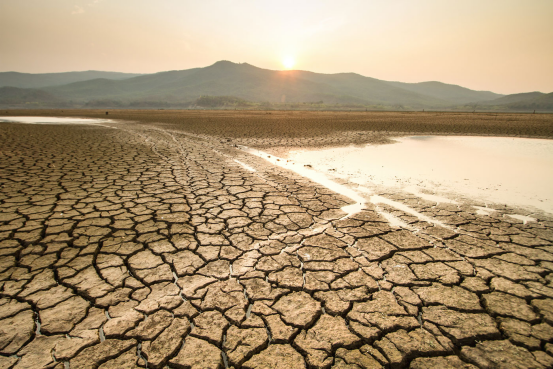
A drought is a complex phenomenon characterized by a prolonged period of abnormally low rainfall, leading to a shortage of water. Climate change exacerbates every aspect of this process, turning moderate dry spells into severe, long-term water crises. The impact is a direct threat to agriculture, drinking water supplies, and entire ecosystems.
Altered Precipitation Patterns and Water Cycles
Global warming is shifting where, when, and how precipitation falls. Some regions are experiencing more intense rainfall, while others are seeing a dramatic decrease. Subtropical zones, in particular, are expanding and pushing storm tracks poleward, leaving areas like the Mediterranean, the American Southwest, and parts of Australia and Africa with less reliable rainfall. Furthermore, the timing of precipitation is changing. In areas dependent on snowpack, like the western United States, warmer winters mean more precipitation falls as rain instead of snow. This leads to reduced snow accumulation, which is a critical natural reservoir that stores water and releases it slowly during the drier spring and summer months. An earlier, faster snowmelt overwhelms reservoirs in the short term and leaves rivers and streams depleted later in the year when water is most needed.
The Vicious Cycle of Soil Moisture Depletion
Higher temperatures directly accelerate the rate of evaporation from the soil. This means that even if rainfall amounts remain constant, the land dries out faster. This creates a dangerous feedback loop. Dry soil absorbs less solar radiation, causing the ground surface to heat up more, which in turn heats the air above it, further suppressing rainfall and intensifying the drought. This process can lead to “flash droughts,” which develop much more rapidly than traditional droughts, catching communities and agricultural producers off guard. The depletion of soil moisture is a critical factor that can devastate crop yields and natural vegetation, leading to widespread ecosystem stress.
Impact on Groundwater and Glacial Melt
During prolonged droughts, societies increasingly turn to groundwater as a backup source. However, these underground aquifers are not being replenished at a sustainable rate due to reduced rainfall and altered recharge patterns. Over-extraction during droughts leads to falling water tables, land subsidence, and the potential for long-term depletion of this vital resource. In parallel, mountain glaciers, which act as “water towers” for major river systems worldwide, are melting at an alarming rate. While this initially increases river flow, it is an unsustainable bonus. Once these glaciers shrink significantly or disappear, the rivers they feed will see drastically reduced flows during the dry season, threatening water security for billions of people who depend on them.

The Unrelenting Rise of Extreme Heatwaves
Extreme heat is one of the most direct and deadly consequences of a warming planet. A heatwave is a period of excessively hot weather, which may be accompanied by high humidity. Climate change is making these events not only hotter but also more frequent and longer in duration. What was once considered a rare, once-in-a-century heat event is now becoming a regular summer occurrence in many parts of the world.
How Global Warming Intensifies Heat Domes
The primary driver of more intense heatwaves is the overall increase in baseline global temperatures. With a higher starting point, it becomes easier to reach extreme temperature thresholds. As mentioned, changes in the jet stream can lead to the formation of strong, stagnant high-pressure systems known as “heat domes.” These domes act like a lid on the atmosphere, trapping hot air underneath and preventing cooler air from moving in. As the sun beats down, the air inside the dome compresses and heats up day after day, leading to record-breaking temperatures that can persist for weeks.
The Urban Heat Island Effect: A Magnifier of Misery
Cities are particularly vulnerable to extreme heat due to the urban heat island (UHI) effect. Materials like concrete, asphalt, and steel absorb and retain more solar radiation than natural landscapes like forests and fields. This stored heat is then slowly released, keeping urban areas significantly warmer than their rural surroundings, especially at night. The lack of green spaces and the waste heat generated by vehicles, industry, and air conditioning systems further amplify this effect. During a heatwave, the UHI effect prevents cities from cooling down overnight, robbing residents of crucial recovery time and dramatically increasing the risk of heat-related illnesses and mortality, especially for vulnerable populations.
Direct Impacts on Human Health
Extreme heat is a silent killer, posing a severe threat to human health. The physiological impacts are extensive and can affect anyone, but the elderly, young children, outdoor workers, and individuals with pre-existing health conditions are most at risk. Key health impacts include:
- Heat Exhaustion and Heatstroke: The body’s inability to regulate its internal temperature can lead to heatstroke, a life-threatening medical emergency.
- Cardiovascular Strain: High temperatures force the heart to work harder to pump blood to the skin to cool the body, placing immense strain on the cardiovascular system.
- Respiratory Issues: Hot, stagnant air can trap pollutants like ozone, worsening conditions like asthma and other respiratory illnesses.
- Dehydration: Excessive sweating without adequate fluid intake can lead to severe dehydration, impacting kidney function and overall health.

Interconnected Impacts on Ecosystems and Society
Droughts and heatwaves do not occur in isolation. Their combined and cascading effects create a web of challenges that impact nearly every facet of society and the natural world. This synergy of stressors can push systems past their tipping points with devastating consequences.
Agriculture Under Siege: Crop Failure and Food Insecurity
The agricultural sector is on the front lines of the climate crisis. The combination of water scarcity from drought and heat stress from extreme temperatures creates a lethal cocktail for crops. Droughts reduce the water available for irrigation, while extreme heat can damage plants directly, reduce pollination, and lower crop yields. This dual threat leads to widespread crop failures, livestock losses, and increased food prices, threatening food security for millions. The global food supply chain is becoming increasingly vulnerable to these localized climate shocks.
Biodiversity Loss and Ecosystem Collapse
Natural ecosystems are finely tuned to their local climates. Prolonged droughts and heatwaves can cause immense stress, leading to widespread tree death, increased wildfire risk, and the degradation of habitats. Aquatic ecosystems suffer as rivers and lakes shrink and warm, leading to lower oxygen levels and mass fish kills. Coral reefs, vital marine nurseries, undergo bleaching and die-off during marine heatwaves. This widespread pressure on wildlife and plant species accelerates biodiversity loss and can trigger the collapse of entire ecosystems.
The Human Toll: Water Scarcity, Migration, and Conflict
The societal impacts are profound. As water becomes scarcer, competition over this essential resource intensifies, potentially leading to social unrest and conflict between communities and even nations. In many regions, the collapse of agriculture and the lack of potable water forces people to abandon their homes, contributing to climate-induced migration. Furthermore, extreme heat puts immense strain on critical infrastructure, including power grids (due to soaring demand for air conditioning) and transportation systems, leading to blackouts and economic disruption when they are needed most.

Strategies for Mitigation and Adaptation
Addressing the crisis of climate-driven droughts and heatwaves requires a two-pronged approach: mitigation to reduce the root cause (greenhouse gas emissions) and adaptation to cope with the impacts that are already unavoidable. Both are essential for building a resilient future.
Global Mitigation: Reducing Carbon Emissions
The most critical long-term strategy is to aggressively reduce global greenhouse gas emissions. This involves a rapid transition away from fossil fuels towards renewable energy sources like solar, wind, and geothermal power. Key global actions include:
- International Agreements: Strengthening and adhering to international climate agreements like the Paris Accord to set ambitious, legally binding emission reduction targets.
- Carbon Pricing: Implementing policies such as carbon taxes or cap-and-trade systems to make polluters pay for their emissions and incentivize cleaner technologies.
- Investing in Renewables: Massively scaling up public and private investment in renewable energy infrastructure and energy efficiency technologies.
- Protecting Natural Carbon Sinks: Halting deforestation and promoting reforestation to protect forests, which absorb vast amounts of CO2 from the atmosphere.
Local Adaptation: Building Climate Resilience
While mitigation is crucial, we must also adapt to the new climate reality. Communities and governments must implement strategies to protect people, infrastructure, and ecosystems from the immediate threats of heat and drought.
- Water Management: Investing in water conservation technologies, improving irrigation efficiency, recycling wastewater, and developing sustainable desalination to manage water resources more effectively.
- Urban Greening: Combating the urban heat island effect by planting more trees, creating green roofs, and building more parks and cool public spaces.
- Early Warning Systems: Developing and deploying advanced forecasting and early warning systems for heatwaves and droughts to give communities time to prepare.
- Infrastructure Upgrades: Modernizing the electrical grid to handle peak demand during heatwaves and building infrastructure that is more resilient to extreme climate conditions.
- Community Support: Establishing public cooling centers and implementing public health programs to protect vulnerable populations during extreme heat events.
Frequently Asked Questions (FAQ)
- How is a “heat dome” different from a regular hot day?
- A regular hot day is part of the normal weather cycle. A “heat dome” is a meteorological phenomenon where a strong, persistent area of high pressure traps hot air over a region for an extended period, often days or weeks. This trapping mechanism prevents cooler air from moving in and allows temperatures to build to extreme, often record-breaking levels, making it far more dangerous and prolonged than a typical hot summer day.
- Can we reverse the effects of climate change on droughts?
- While we cannot immediately reverse the warming that has already occurred, we can prevent the situation from getting worse through aggressive mitigation efforts. By significantly reducing greenhouse gas emissions, we can stabilize global temperatures and slow the intensification of droughts. Adaptation strategies, like improved water management and conservation, can help us cope with current and future water scarcity, but the fundamental solution lies in tackling the root cause of climate change.
- What is the urban heat island effect?
- The urban heat island effect is a phenomenon where metropolitan areas are significantly warmer than surrounding rural areas. This is because urban materials like concrete and asphalt absorb and retain more heat than natural landscapes. This effect is most noticeable at night when cities release the heat stored during the day, preventing them from cooling down. It dramatically worsens the health impacts of heatwaves in densely populated areas.
- Are droughts and wildfires linked?
- Yes, there is a very strong link. Prolonged droughts, exacerbated by climate change, dry out vegetation, turning forests and grasslands into highly flammable tinder. The combination of dry fuel, high temperatures, and low humidity creates perfect conditions for wildfires to start and spread rapidly. Therefore, the increasing frequency and severity of droughts directly contribute to a longer and more destructive wildfire season in many parts of the world.
- What can individuals do to help?
- Individuals can contribute through both personal actions and advocacy. On a personal level, reducing one’s carbon footprint by conserving energy, using public transport, reducing consumption, and adopting a more plant-rich diet can make a collective difference. Conserving water at home is also crucial. On a broader level, individuals can advocate for stronger climate policies, support businesses committed to sustainability, and participate in community initiatives focused on adaptation, such as tree planting or water conservation programs.