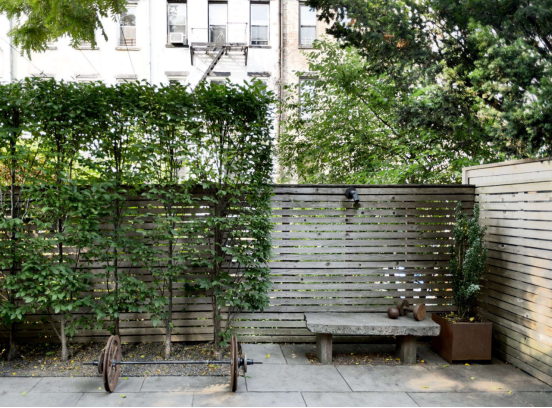
Living within the dense grid of a modern city often means residing in spaces defined by hard lines, cool surfaces, and an abundance of concrete and glass. This “urban geometry,” while efficient, can leave inhabitants feeling disconnected from the organic world, creating a sense of coldness and sterility. The challenge for the modern urbanite is to counteract this harshness and infuse their home with warmth, life, and a sense of natural tranquility. This comprehensive guide details a multi-faceted approach to softening these spaces, focusing on the strategic use of light, textiles, furniture, and plant life to craft a personal sanctuary that feels both sophisticated and deeply comforting.
By embracing principles of biophilic design, we can bridge the gap between our built environment and our innate need for connection with nature. This isn’t about simply adding a potted plant to a corner; it’s a holistic philosophy that involves creating dynamic light, layering rich textures, and introducing organic forms to disrupt the monotony of the urban landscape. The goal is to create a space that not only looks beautiful but also provides a tangible sense of healing and restoration from the relentless pace of city life.
Mastering Natural Light: The Soul of Your Urban Space
Natural light is arguably the most critical element in making an urban dwelling feel open and alive. However, in a “high-rise forest,” direct sunlight can be harsh and fleeting, or worse, completely obstructed. The key is not just to maximize light but to manipulate and soften it, transforming it from a stark glare into a gentle, dynamic presence that mimics the calming atmosphere of a sun-dappled forest floor.
The “Forest at Noon” Effect: Recreating Natural Ambiance
The goal is to avoid static, uniform lighting. Instead, aim to create a layered and ever-changing interplay of light and shadow. This can be achieved through a combination of techniques that diffuse, filter, and reflect light. Sheer curtains are a fundamental tool, breaking up intense sunbeams without sacrificing brightness. Placing a large mirror on a wall opposite a window can dramatically increase the perceived brightness and size of a room, bouncing softened light into darker corners and creating a more immersive glow.
Plant Screens as Living Light Filters
One of the most effective and beautiful ways to filter light is by using plants as natural screens. This goes beyond simple decoration; it’s a functional design choice that brings life and movement into your home. Strategically placing tall plants or climbing vines near a window can create intricate, shifting patterns of light and shadow throughout the day. This effect not only softens the light but also adds a layer of visual interest that connects the indoor space with the rhythms of the natural world.
- Large-Leaf Plants: Species like the Fiddle Leaf Fig (Ficus lyrata) or Monstera Deliciosa have broad leaves that cast beautiful, bold shadows, acting as a living art installation.
- Feathery Foliage: Plants such as the Areca Palm (Dypsis lutescens) or Kentia Palm (Howea forsteriana) have delicate fronds that create a soft, dappled light effect, perfect for achieving that “forest at noon” feeling.
- Climbing Vines: Training a Pothos (Epipremnum aureum) or Philodendron on a trellis in front of a window creates a dense yet permeable screen that filters light beautifully.

Tactile Comfort: The Healing Power of Natural Fabrics
While light addresses the visual coldness of a concrete space, texture addresses the tactile void. Steel, glass, and polished concrete are cool and hard to the touch. Introducing a rich variety of natural fabrics is a form of “touch healing,” providing physical comfort, absorbing sound to create a quieter environment, and adding layers of visual warmth that combat the austerity of urban architecture.
Choosing Your Palette: Wool, Linen, Cotton, and Jute
The choice of material is paramount. Natural fibers offer a unique combination of aesthetic appeal and sensory satisfaction that synthetics often lack. Each material brings its own character to the space.
- Wool: Known for its softness, durability, and insulating properties. A thick wool rug or a chunky knit throw can instantly make a room feel cozier and more inviting.
- Linen: With its characteristic slubby texture and relaxed drape, linen adds a touch of effortless elegance. Linen curtains, bedding, or cushion covers bring a breathable, organic feel.
- Cotton: Versatile and soft, cotton is a staple for comfort. From smooth percale sheets to textured waffle-weave blankets, it provides a clean and approachable layer of softness.
- Jute and Sisal: These robust, earthy fibers are perfect for rugs, adding a raw, natural texture that grounds a room and provides a pleasing contrast to smooth concrete floors.
Layering Textures for Depth and Warmth
The art of using textiles lies in layering. Don’t be afraid to mix different materials and weaves. Place a soft, high-pile wool rug over a flat-weave jute base. Adorn a smooth leather sofa with a combination of rough linen and soft velvet cushions. Drape a chunky wool throw over a cotton-upholstered armchair. This multi-sensory approach creates a rich, lived-in environment that invites touch and encourages relaxation, effectively building a “nest” within the concrete shell of the building.

Organic Flow: Breaking the Grid with Curvilinear Furniture
Urban architecture is dominated by the right angle. Walls, windows, and entire city blocks are built on a rigid grid. To soften the sense of habitability, it’s crucial to consciously break this geometric monotony within your own four walls. Introducing furniture with organic, flowing, and curvilinear shapes directly counteracts the harshness of the surrounding structure, creating a more natural and psychologically comfortable flow.
The Psychology of Shape in Interior Design
Studies have shown that humans have a preference for curved lines, which are often perceived as being safer, more welcoming, and more natural than sharp, angular shapes. In an interior context, curves can make a space feel more dynamic and inviting. They guide the eye gently through the room and create pathways that feel less restrictive. By replacing hard corners with soft curves, you fundamentally alter the energy of the space from rigid and static to fluid and serene.
Selecting Key Pieces with Curves
Integrating organic shapes doesn’t require replacing all your furniture. Focus on a few high-impact pieces to set the tone.
- Sofas and Armchairs: Look for models with rounded backs, curved arms, or an overall serpentine shape. These pieces become the soft anchor of a living area.
- Coffee and Dining Tables: A round, oval, or kidney-shaped table can dramatically soften the center of a room, encouraging conversation and a more communal feel compared to a rectangular one.
- Lighting and Accessories: Incorporate arched floor lamps, round mirrors, and circular or irregularly shaped rugs to reinforce the curvilinear theme throughout the space.
These pieces work in direct opposition to the backdrop of concrete walls and rectangular windows, creating a beautiful tension that highlights the softness of the furniture and makes the space feel intentionally designed for human comfort rather than just structural efficiency.

Integrating Greenery: A Deeper Biophilic Connection
While we’ve discussed plants as light filters, their role in softening urban spaces is far more profound. They are the most direct and literal way to introduce nature indoors. The presence of living greenery has been proven to reduce stress, improve air quality, and boost mood. Creating a “micro-ecosystem” within your home is the ultimate step in transforming it into a true urban oasis.
Strategic Plant Selection for Urban Interiors
Success with indoor plants in a city apartment often depends on choosing species that can thrive in the specific conditions, which may include lower light levels and dry air. It’s important to select plants that match your environment and your level of commitment.
| Light Condition | Recommended Plants | Key Characteristics |
|---|---|---|
| Bright, Indirect Light | Fiddle Leaf Fig, Monstera, Bird of Paradise | Large, architectural leaves that make a strong statement. |
| Medium to Low Light | Snake Plant, ZZ Plant, Pothos | Highly resilient, tolerant of neglect, and excellent air purifiers. |
| High Humidity (Bathrooms) | Ferns, Calathea, Air Plants | Thrive in moist environments and add a lush, spa-like feel. |
Grouping Plants to Create Visual Impact
To avoid a scattered, cluttered look, group plants of varying heights, leaf shapes, and textures together. This creates a more natural and impactful “jungle” effect. Place a tall floor plant behind a mid-sized plant on a stand, with a smaller trailing plant on a nearby shelf. This layering technique mimics the structure of a real forest and creates a powerful green focal point that draws the eye and calms the mind. Using planters made from natural materials like terracotta, ceramic, or woven baskets further enhances the organic aesthetic and ties back into the theme of tactile, natural materials.
Frequently Asked Questions (FAQ)
- Q1: What are the easiest plants to use for creating a light-filtering effect?
- For beginners, the most forgiving and effective plants are tall Snake Plants (Sansevieria trifasciata) or a robust ZZ Plant (Zamioculcas zamiifolia) placed on a stand. For a more dramatic effect with slightly more care, an Areca Palm or a Monstera Deliciosa positioned a few feet from a window will cast beautiful, dynamic shadows.
- Q2: How can I soften my space on a tight budget?
- Focus on textiles first, as they offer the most impact for the cost. Invest in a few high-quality cushion covers in natural fabrics like linen or wool, add a soft throw blanket to your sofa, and find an affordable jute or cotton rug. For greenery, start with smaller, inexpensive plants like Pothos or Spider Plants, which grow quickly and can be easily propagated.
- Q3: Does organic-shaped furniture work in small apartments?
- Absolutely. In fact, it can make a small space feel larger and less cluttered. A round dining table, for example, has a smaller footprint and allows for better traffic flow than a square one. A sofa with rounded arms can feel less bulky. The key is to choose pieces that are appropriately scaled to the room. Look for “apartment-sized” curved furniture to get the benefit of the shape without overwhelming the space.
- Q4: What’s the best way to combine different natural fabrics without it looking messy?
- The key to successful mixing is to maintain a cohesive color palette. Choose two to three main colors and find different fabrics within that palette. For example, you could combine an off-white wool blanket, beige linen cushions, and a natural jute rug. The consistent color story will unite the different textures, creating a look that is rich and layered rather than chaotic.
- Q5: How do I best manage the limited and often harsh light in my city apartment?
- First, use sheer white curtains to diffuse any harsh, direct sunlight you do get. Second, paint your walls in a light, neutral color with a satin or eggshell finish, which will reflect light better than a matte finish. Finally, use mirrors strategically. Placing a large mirror directly opposite your main window is the most effective way to double the amount of light in the room and brighten up dark corners.