Educational notice: This site provides independent educational information only. Content about disasters, safety, health, survival, weapons, ecology, or environmental risk is not professional, medical, legal, engineering, emergency-response, or safety advice. Consult qualified professionals and official local authorities before making decisions.
Hailstorms are one of nature’s most destructive and unpredictable phenomena. What begins as a simple raincloud can quickly escalate into a severe thunderstorm, unleashing frozen projectiles that wreak havoc on everything below. While often localized, the financial and physical impact of a single hailstorm can be catastrophic for homeowners, drivers, and farmers alike. This guide provides an in-depth analysis of the devastating effects of hail, the science behind its formation, and actionable strategies to mitigate damage and stay safe.
Understanding Hail: From Formation to Impact
To appreciate the destructive power of hail, it’s essential to understand its origins. Hail is not simply frozen rain; it’s a complex meteorological event born within the violent updrafts of severe thunderstorms.
The Science Behind Hailstone Creation
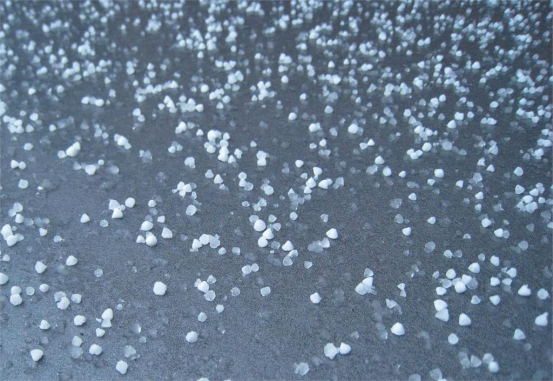
Hailstones form when raindrops are carried upward by powerful thunderstorm updrafts into extremely cold areas of the atmosphere. The raindrop freezes, becoming a small ice pellet. This pellet then falls, collects more supercooled water, and is swept back up by another updraft. This cycle repeats, with the hailstone adding a new layer of ice each time it travels through the supercooled water. Its size increases until its weight is too great for the updraft to support, at which point it falls to the ground. The stronger the updraft, the larger the hailstones can become.
Classifying Hail Size and Damage Potential
Meteorologists and insurance adjusters classify hail by its size, which directly correlates to its capacity for damage. While small, pea-sized hail may be harmless, larger stones can strike with the force of a hammer.
- Pea-sized (1/4 inch): Generally causes no damage.
- Quarter-sized (1 inch): Considered severe. Can cause significant damage to roofs, siding, and vehicles.
- Golf ball-sized (1.75 inches): Causes severe damage, easily breaking windows, denting cars extensively, and damaging roofs beyond repair.
- Baseball-sized (2.75 inches) or larger: Catastrophic damage. Can punch through roofs, shatter windshields, and cause serious injury or death.

Assessing Widespread Damage to Residential Property
Homes and buildings are often the primary victims of a hailstorm. The damage can range from cosmetic blemishes to severe structural compromise, leading to costly repairs and complex insurance claims.
Critical Roof Damage: Dents, Cracks, and Granule Loss
The roof is a building’s first line of defense. Hail impacts can cause “bruising” on asphalt shingles, cracking the underlying mat and dislodging the protective granules. This exposes the shingle to UV rays, drastically shortening the roof’s lifespan and leading to leaks. Metal roofs can be severely dented, while tile or slate roofs can crack or shatter completely.
Siding, Gutters, and Exterior Fixtures
Vinyl and aluminum siding are particularly vulnerable to hail, which can cause cracks, chips, and holes. Gutters and downspouts, often made of thin aluminum, can be dented so severely that they no longer function correctly, leading to water drainage issues. Air conditioning units, window frames, and exterior light fixtures are also at high risk of damage.

The Impact of Hail on Vehicles and Transportation
Vehicles left exposed during a hailstorm can sustain thousands of dollars in damage in mere minutes. This damage is not only cosmetic but can also affect the vehicle’s safety and resale value.
Cosmetic vs. Functional Damage
The most common vehicle damage is a multitude of dents on the hood, roof, and trunk. While often considered cosmetic, these dents can be very expensive to repair, sometimes requiring techniques like paintless dent removal (PDR). More severe hailstorms can cause functional damage by cracking or shattering windshields, backlights, and mirrors, rendering the vehicle unsafe to drive.
How Hail Damage Affects Vehicle Value
Even after repairs, a vehicle’s history report may show a hail damage claim, which can significantly lower its resale value. In many cases, if the cost of repair exceeds a certain percentage of the car’s value, an insurance company will declare it a total loss.

Agricultural Devastation: Hail’s Toll on Crops and Livestock
The agricultural sector is uniquely vulnerable to hail. A single, short-lived storm can wipe out an entire season’s worth of crops, leading to devastating financial losses for farmers and affecting food supply chains.
Widespread Crop Destruction
Hail can shred the leaves of plants like corn and soybeans, stunting their growth and reducing yield. It can bruise and destroy fruits and vegetables, making them unmarketable. For grain crops, hail can shatter stalks and knock seeds to the ground just before harvest, resulting in a total loss.
The Dangers of Hail to Farm Animals
Livestock caught in an open field during a hailstorm are at risk of serious injury. Large hailstones can cause bruising, cuts, and even broken bones. While fatalities are rare, the stress and potential injuries can impact the health and productivity of the animals.
Expert Advice: Mitigation and Preparedness
While you cannot stop a hailstorm, proactive measures can significantly reduce the potential for damage. Preparedness is key to weathering the storm with minimal loss.
Pre-Storm Preparation Checklist
- Stay Informed: Monitor weather forecasts and sign up for severe weather alerts for your area.
- Secure Shelter: Know where to move vehicles quickly, such as a garage or carport. If unavailable, use car covers or heavy blankets.
- Protect Property: Bring outdoor furniture, potted plants, and other loose items indoors. Close blinds and curtains to protect against broken glass.
- Review Insurance: Understand your homeowner’s and auto insurance policies. Ensure you have comprehensive coverage, which typically covers hail damage.
Investing in Hail-Resistant Building Materials
For those in hail-prone regions, investing in impact-resistant materials can be a cost-effective long-term strategy. The table below compares common roofing materials based on their resistance to hail.
| Material Type | Hail Resistance Rating (UL 2218) | Pros | Cons |
|---|---|---|---|
| Standard Asphalt Shingle | Class 1 or 2 | Affordable, widely available. | Easily damaged by moderate hail. |
| Impact-Resistant Asphalt | Class 4 | Excellent protection, may provide insurance discounts. | Higher upfront cost than standard shingles. |
| Metal Roofing | Class 4 | Very durable, long lifespan, fire resistant. | Can be dented cosmetically, higher cost. |
| Slate or Concrete Tile | Class 3 or 4 | Extremely durable, excellent aesthetics. | Very heavy, expensive, can crack under severe impact. |
Frequently Asked Questions (FAQ)
-
What size hail causes significant damage?
- Damage typically begins with hail that is 1 inch in diameter (quarter-sized). This size is large and heavy enough to dent vehicles, crack vinyl siding, and damage standard asphalt shingles. Any hail larger than this, especially golf ball-sized or greater, will almost certainly cause severe and widespread damage.
-
Can I check my roof for hail damage myself?
- While you can perform a preliminary check from the ground using binoculars to look for obvious signs like dented vents or cracked tiles, it is highly recommended to hire a professional and reputable roofing contractor for a thorough inspection. Walking on a potentially damaged roof can be dangerous and can cause further harm to the shingles. Professionals are trained to identify subtle “bruising” and granule loss that an untrained eye might miss.
-
How does a hail damage insurance claim work?
- After a storm, you should document the damage with photos and videos and contact your insurance provider immediately to file a claim. They will send an adjuster to assess the damage. The adjuster will estimate the repair cost, and after you pay your deductible, the insurance company will cover the remaining approved costs. It’s crucial to use a reputable contractor and not feel pressured by “storm chaser” companies.
-
What’s the difference between a severe thunderstorm watch and a warning?
- A “Watch” means that conditions are favorable for a severe thunderstorm (which can include hail) to develop in and near the watch area. It’s a time to be prepared. A “Warning” means that a severe thunderstorm is imminent or already occurring, as indicated by weather radar or a reliable spotter. When a warning is issued, you should take shelter immediately.