Educational notice: This site provides independent educational information only. Content about disasters, safety, health, survival, weapons, ecology, or environmental risk is not professional, medical, legal, engineering, emergency-response, or safety advice. Consult qualified professionals and official local authorities before making decisions.
Understanding the Critical Role of Humidity in Plant Health
Humidity, often overlooked, is a cornerstone of indoor plant well-being. It refers to the amount of water vapor present in the air. For many houseplants, particularly those originating from tropical or subtropical regions, adequate ambient humidity is not merely a preference but a fundamental requirement for survival and thriving. Indoor environments, especially during colder months when heating systems are active, tend to be significantly drier than what these plants naturally experience, leading to a cascade of stress responses.
The “why” behind humidity’s importance lies deep within plant physiology. Plants constantly exchange gases with their environment through tiny pores called stomata, primarily located on the underside of their leaves. This process, known as transpiration, involves the release of water vapor. When humidity is high, the air contains more moisture, reducing the water potential gradient between the plant and the atmosphere. This means the plant loses less water through transpiration, allowing it to retain essential moisture, maintain turgor pressure (which keeps leaves firm and upright), and efficiently transport nutrients from roots to leaves.
The Science of Transpiration and Plant Health
Transpiration is a vital process, but excessive water loss can be detrimental. In low-humidity conditions, plants transpire at an accelerated rate, leading to rapid dehydration. This forces the plant to close its stomata to conserve water, which in turn restricts carbon dioxide uptake—a critical component for photosynthesis. Consequently, the plant’s ability to produce energy and grow is severely hampered. Understanding this delicate balance is the first step toward creating an optimal environment for your indoor greenery.
Historically, humanity’s relationship with indoor plants has evolved from purely ornamental to a deeper appreciation for their role in indoor air quality and well-being. Early indoor gardeners often struggled with plant health due to a lack of understanding of specific environmental needs like humidity. Modern horticulture has provided us with the tools and knowledge to replicate natural habitats more effectively, ensuring our beloved plants don’t just survive but truly thrive.

Identifying Signs of Low Humidity in Your Indoor Plants
Recognizing the symptoms of inadequate humidity is crucial for timely intervention. Many signs mimic those of underwatering or nutrient deficiencies, making accurate diagnosis important. By carefully observing your plants, you can often pinpoint humidity as the culprit before irreversible damage occurs. The key is to look for specific patterns that are characteristic of moisture stress in the air rather than in the soil.
Common Symptoms and What They Mean
- Crispy or Brown Leaf Tips and Edges: This is perhaps the most common and tell-tale sign. When the air is too dry, water evaporates rapidly from the leaf margins, causing the cells to dry out and die. Unlike nutrient burn, which often affects older leaves or specific patterns, humidity-related browning typically appears randomly on various leaves.
- Stunted Growth or Slow Development: Plants under humidity stress divert energy towards water conservation rather than growth. You might notice new leaves are smaller, or the overall growth rate of the plant significantly slows down.
- Wilting or Drooping Leaves (Despite Adequate Watering): While wilting is often associated with thirst, if your soil moisture is good and the plant still looks limp, it could be struggling to maintain turgor pressure due to excessive transpiration in dry air.
- Bud Drop or Failure to Bloom: Flowering plants, especially those with delicate blooms like orchids or gardenias, may drop buds before they open or fail to bloom altogether if humidity levels are too low.
- Pest Infestations: Dry conditions weaken plants, making them more susceptible to common indoor pests like spider mites. Spider mites thrive in dry environments and often appear first on plants suffering from low humidity, creating fine webbing on the undersides of leaves.
- Curling or Cupping Leaves: Some plants will curl their leaves inwards or cup them to reduce the surface area exposed to dry air, minimizing water loss.
To accurately assess your indoor humidity, consider investing in a hygrometer. These inexpensive devices provide real-time readings of the relative humidity in your space, allowing you to monitor conditions and adjust your strategies proactively.
Effective Strategies to Increase and Maintain Indoor Humidity
Once you’ve identified that your plants are suffering from low humidity, implementing effective solutions is the next step. There are several methods, ranging from simple DIY tricks to more significant investments, each with its own benefits and considerations. Combining a few of these strategies often yields the best results.
Detailed Procedures, Tips, and Common Pitfalls
- Misting:
- Procedure: Use a fine mister to spray the foliage of your plants with distilled or filtered water. Aim for a fine mist that settles on the leaves without forming large droplets.
- Tips: Mist early in the morning so leaves have time to dry throughout the day, reducing the risk of fungal diseases. Focus on the undersides of leaves where stomata are more prevalent.
- Pitfalls: Misting provides only a temporary boost in humidity. If done improperly or too frequently, it can encourage fungal growth, especially on plants with fuzzy leaves. It’s not a standalone solution for plants requiring consistently high humidity.
- Pebble Trays:
- Procedure: Fill a shallow tray with pebbles and add water until the water level is just below the top of the pebbles. Place your potted plant on top of the pebbles, ensuring the pot’s base does not sit directly in the water.
- Tips: The evaporating water from the tray creates a localized microclimate of higher humidity around the plant. Use a wide tray for larger plants or group several plants on one tray.
- Pitfalls: Ensure the pot is not sitting in water, as this can lead to root rot. The effect is localized, so it benefits plants directly above or very close to the tray.
- Grouping Plants:
- Procedure: Arrange several plants closely together.
- Tips: Plants naturally release water vapor through transpiration. By grouping them, you create a collective humid microclimate, as the moisture released by one plant benefits its neighbors. This is a simple and aesthetically pleasing method.
- Pitfalls: Be mindful of potential pest spread if one plant is infested. Ensure adequate air circulation to prevent fungal issues in dense groupings.
- Room Humidifiers:
- Procedure: Invest in a dedicated room humidifier. These devices release a continuous stream of water vapor into the air.
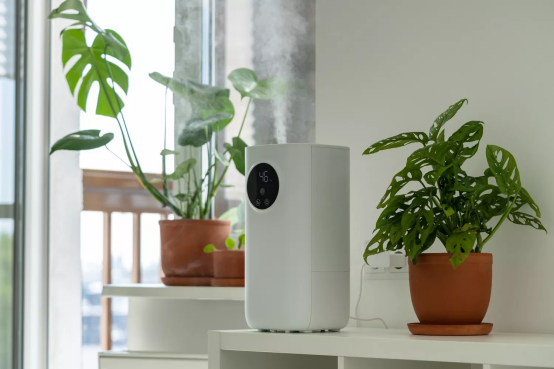
- Tips: For serious humidity issues or large collections of plants, a humidifier is the most effective solution. Ultrasonic humidifiers are quiet and produce a cool mist. Place it strategically to benefit the most plants, but not so close that plants get constantly wet.
- Pitfalls: Requires regular cleaning to prevent mold and bacterial growth. Can increase electricity bills. Choose a humidifier appropriate for the room size.
- Terrariums and Cloches:
- Procedure: Enclose plants in a sealed or semi-sealed glass container (terrarium) or cover individual plants with a glass cloche.
- Tips: Ideal for humidity-loving plants that are small or delicate, creating a self-contained, high-humidity environment. Less maintenance once established.
- Pitfalls: Requires careful management of light and ventilation to prevent overheating or excessive condensation. Not suitable for all plant types.
Optimal Humidity Levels for Different Plant Types
Not all plants have the same humidity requirements. Understanding the natural habitat of your plants can provide valuable clues about their ideal indoor conditions. Categorizing plants by their general humidity needs can help you tailor your care routines more effectively.
Categorizing Plants by Humidity Needs
- High Humidity Lovers (70-85% RH):
- These plants typically hail from rainforest understories where the air is consistently saturated with moisture. Examples include many orchids (Phalaenopsis, Oncidium), ferns (Maidenhair, Boston), carnivorous plants (Nepenthes, Sarracenia), Calatheas, Marantas, and certain types of Begonias. They often have thin, delicate leaves adapted to absorb moisture directly from the air.
- Moderate Humidity Plants (50-70% RH):
- The majority of popular houseplants fall into this category. They appreciate consistent moisture but can tolerate slight fluctuations. Examples include Philodendrons, Pothos, Monsteras, Peace Lilies (Spathiphyllum), ZZ Plants, Ficus (Lyrata, Elastica), and Syngoniums. This range is often comfortable for humans as well.
- Low Humidity Tolerant (30-50% RH):
- These plants are more resilient to drier air, often originating from arid or semi-arid regions. While they still benefit from some humidity, they won’t suffer as quickly as their tropical counterparts. Examples include Cacti, Succulents, Snake Plants (Sansevieria), Cast Iron Plants (Aspidistra), and some varieties of Dracaena. They often have thick, waxy leaves or specialized structures to retain water.
Always research the specific needs of your individual plants. A plant’s appearance can sometimes be a misleading indicator; a succulent might look fine in low humidity but thrive with slightly more, while a fern will rapidly decline.
Pro Tips for Advanced Humidity Management
Beyond the basic methods, there are several expert-level strategies and insights that can help you fine-tune your humidity management and ensure your plants are truly flourishing, not just surviving.
Expert Advice for Thriving Indoor Gardens
- Consider a Humidistat: For precise control, connect your humidifier to a humidistat. This device will automatically turn the humidifier on and off to maintain a specific humidity percentage, taking the guesswork out of the equation.
- Strategic Air Circulation: While good air circulation is essential to prevent fungal issues, avoid placing humidity-loving plants directly in the path of strong drafts from vents, fans, or open windows, as this can rapidly dry out the air around them.
- Rainwater or Distilled Water: For misting and humidifiers, using rainwater or distilled water can prevent mineral buildup (white dust) on leaves and humidifier components, especially in areas with hard tap water.
- Seasonal Adjustments: Remember that indoor humidity levels fluctuate significantly with the seasons. During winter, when heating systems are on, humidity often plummets. In summer, especially in humid climates, you might need less intervention. Be prepared to adjust your strategies accordingly.
- Monitor for Pests: Dry conditions can lead to spider mite infestations. Regularly inspect