Educational notice: This site provides independent educational information only. Content about disasters, safety, health, survival, weapons, ecology, or environmental risk is not professional, medical, legal, engineering, emergency-response, or safety advice. Consult qualified professionals and official local authorities before making decisions.
The Unseen Threat of Plastic Pollution
Plastic pollution has emerged as one of the most pressing environmental crises of our time, extending its reach from the highest mountains to the deepest ocean trenches. While large plastic debris like bottles and bags are highly visible, a more insidious and pervasive threat lurks beneath the surface: microscopic plastic particles. These tiny fragments, often invisible to the naked eye, pose a profound and often underestimated danger to marine ecosystems, wildlife, and potentially human health. This article will meticulously dissect the lifecycle and impact of these minute pollutants, specifically focusing on cosmetic microbeads, microplastics, and the increasingly concerning category of nanoplastics, tracing their journey from consumer products into the intricate web of marine life.
Defining the Microscopic Menace
To fully grasp the scope of this problem, it’s crucial to understand the distinctions between these plastic forms:
- Microbeads: These are manufactured plastic particles, typically less than 5 millimeters in diameter, intentionally added to various personal care products for abrasive or aesthetic purposes.
- Microplastics: A broader category encompassing any plastic particle less than 5 millimeters in size. They can be primary (manufactured at this size, like microbeads or industrial pellets) or secondary (resulting from the fragmentation of larger plastic debris).
- Nanoplastics: Representing the smallest and most challenging category, nanoplastics are particles smaller than 100 nanometers (0.1 micrometers). They are predominantly formed from the further breakdown of microplastics and possess unique properties due to their incredibly small size.
The ubiquity of these particles necessitates a deep dive into their origins, their infiltration pathways, and the complex biological and ecological ramifications they precipitate across marine environments globally.

Cosmetic Microbeads: From Beauty Staple to Marine Toxin
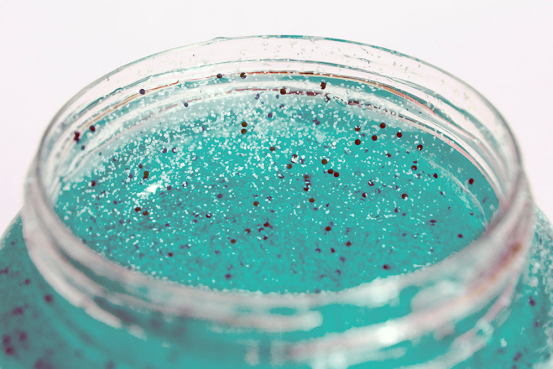
For decades, tiny plastic microbeads were a common ingredient in a myriad of personal care products, from facial scrubs and toothpastes to body washes. Marketed for their exfoliating and cleansing properties, these seemingly innocuous particles were once considered a beauty innovation. However, their widespread use inadvertently contributed to a significant and persistent form of marine pollution, earning them the moniker of “marine toxic particles.”
The Journey from Bathroom Drain to Ocean Current
The primary polymers used in cosmetic microbeads include polyethylene (PE), polypropylene (PP), polyethylene terephthalate (PET), polymethyl methacrylate (PMMA), and nylon. Their small size and buoyant nature facilitate an easy, direct pathway into aquatic environments. After being washed down drains, conventional wastewater treatment plants are largely ineffective at capturing these minute plastic spheres. Studies have shown that a significant percentage of microbeads bypass filtration systems, entering rivers, lakes, and ultimately, the world’s oceans.
- Wastewater Bypass: Standard treatment processes are not designed to filter out particles of this specific size and composition, leading to their release into effluent.
- Global Distribution: Once in waterways, ocean currents distribute these microbeads across vast distances, contaminating coastal areas, open oceans, and even deep-sea sediments.
Ecological Consequences and Legislative Responses
The presence of microbeads in marine environments has severe ecological repercussions:
- Ingestion by Marine Life: Fish, shellfish, zooplankton, and other marine organisms readily ingest microbeads, mistaking them for food particles. This ingestion can lead to false satiation, reduced feeding, and ultimately, starvation.
- Physical Damage: The sharp edges or abrasive nature of some microbeads can cause internal abrasions or blockages in the digestive tracts of marine animals.
- Chemical Leaching: Plastics are known to absorb persistent organic pollutants (POPs) from seawater. When ingested, these adsorbed toxins can desorb into the organism’s tissues, introducing harmful chemicals into the food web.
- Endocrine Disruption: Some plastic additives or adsorbed pollutants can act as endocrine disruptors, affecting the reproductive and developmental processes of marine species.
Recognizing the gravity of this issue, numerous countries and regions, including the United States, Canada, the United Kingdom, and the European Union, have implemented bans on the manufacture and sale of rinse-off personal care products containing plastic microbeads. These legislative actions represent a critical step in curtailing this specific source of plastic pollution, although the legacy of previously released microbeads persists.

Understanding Microplastics: Sources, Pathways, and Pervasiveness
Beyond intentionally manufactured microbeads, the broader category of microplastics represents an even more widespread and complex challenge. These particles, defined as any plastic fragment less than 5 millimeters in length, are ubiquitous across all marine environments, from the surface to the seafloor, and even within polar ice caps. Their origins are diverse, stemming from both direct release and the gradual degradation of larger plastic items.
Primary vs. Secondary Microplastics: A Critical Distinction
Microplastics are generally categorized into two main types based on their origin:
- Primary Microplastics: These are plastics that are manufactured at their small size. Examples include:
- Microbeads: As discussed, used in cosmetics and industrial abrasives.
- Plastic Pellets (Nurdles): Raw material used in plastic manufacturing, often spilled during transport.
- Fibers: Synthetic fibers shed from clothing during washing (e.g., polyester, nylon, acrylic).
- Secondary Microplastics: These are formed from the breakdown of larger plastic items due to environmental factors such as UV radiation from sunlight, wave action, and mechanical abrasion. Common sources include:
- Plastic Bags and Bottles: Fragmentation of single-use plastics.
- Fishing Gear: Deterioration of nets, lines, and buoys.
- Tire Wear: Microscopic rubber particles released from vehicle tires.
- Paints and Coatings: Chips and flakes from painted surfaces.
Pathways of Dissemination and Environmental Ubiquity
Microplastics enter the marine environment through multiple interconnected pathways, demonstrating their pervasive nature:
- Wastewater Effluent: Laundry wastewater, industrial discharges, and urban runoff carry microfibers and other microplastics into rivers and oceans.
- Atmospheric Deposition: Wind can transport microplastics over long distances, depositing them into remote marine areas.
- Stormwater Runoff: Rain washes plastic debris from land into waterways.
- Direct Littering and Spills: Improper disposal of plastics directly into coastal areas or accidental spills during manufacturing and transport.
Once in the ocean, microplastics are subject to complex transport dynamics influenced by ocean currents, tides, and wind. They can float on the surface, become suspended in the water column, or sink to the seabed, accumulating in sediments. This widespread distribution means virtually no part of the marine ecosystem is untouched by microplastic contamination.
Impacts on Marine Organisms and Ecosystems
The ecological impacts of microplastics are extensive and well-documented:
- Ingestion and False Satiation: Marine organisms across all trophic levels, from zooplankton to whales, ingest microplastics. This can lead to a false sense of fullness, reducing their actual food intake and potentially causing malnutrition and starvation.
- Physical Blockage and Damage: Accumulation of microplastics in the digestive tracts can cause blockages, internal abrasions, and tissue damage, impairing vital physiological functions.
- Toxin Transfer: Microplastics act as vectors for environmental contaminants. They readily adsorb persistent organic pollutants (POPs), heavy metals, and other harmful chemicals from seawater. When ingested, these toxins can leach into the organism’s tissues, leading to bioaccumulation and potentially biomagnification up the food chain.
- Reproductive and Developmental Issues: Exposure to microplastics and associated chemicals has been linked to reproductive impairment, developmental abnormalities, and reduced growth rates in various marine species.
- Ecosystem Disruption: Changes in species composition, alterations in sediment characteristics, and impacts on microbial communities have been observed, indicating broader ecosystem-level disruptions.
The sheer volume and persistence of microplastics present a formidable challenge, demanding innovative solutions and concerted global action to mitigate their ongoing harm.

Nanoplastics: The Invisible Invaders of the Marine Food Chain
While microplastics represent a significant threat, the emerging understanding of nanoplastics reveals an even more insidious and potentially hazardous dimension of plastic pollution. Nanoplastics are plastic particles less than 100 nanometers (0.1 micrometers) in size, making them orders of magnitude smaller than microplastics and largely invisible even under standard microscopes. Their minute size grants them unique properties and capabilities, allowing them to infiltrate biological systems at a fundamental level, posing unprecedented challenges for environmental monitoring and health assessment.
Formation and Unique Characteristics
Nanoplastics are primarily formed through the further weathering and fragmentation of microplastics. As microplastics are exposed to ongoing physical, chemical, and biological degradation processes in the marine environment (e.g., UV radiation, mechanical abrasion, microbial action), they break down into increasingly smaller particles. This continuous fragmentation process generates an immense quantity of nanoplastics.
The critical characteristics that distinguish nanoplastics and amplify their potential harm include:
- Ultra-Small Size: Their nanometric dimensions allow them to bypass many biological barriers that larger particles cannot, including cell membranes and potentially the blood-brain barrier.
- High Surface Area-to-Volume Ratio: This property means nanoplastics have a significantly larger surface area relative to their mass, enhancing their capacity to adsorb and transport a higher concentration of environmental pollutants and chemicals.
- Increased Reactivity: Due to their size and surface properties, nanoplastics can exhibit greater chemical reactivity and interaction with biological molecules compared to microplastics.
Infiltration Mechanisms and Bioaccumulation
The diminutive size of nanoplastics facilitates their infiltration into the marine food chain through several highly effective mechanisms:
- Direct Uptake: Microorganisms, phytoplankton, and even larger marine invertebrates can directly absorb nanoplastics from the water column through various cellular processes.
- Ingestion via Contaminated Prey: Organisms higher up the food chain consume smaller organisms that have ingested or absorbed nanoplastics. Because nanoplastics are so small, they are less likely to be egested and can accumulate within tissues.
- Translocation Across Tissues: Unlike microplastics that often remain in the gut, nanoplastics can translocate from the digestive tract into other organs, tissues, and even cells, including the liver, kidneys, brain, and reproductive organs.
This ability to penetrate cellular barriers and persist within tissues leads to bioaccumulation—the gradual build-up of substances, such as nanoplastics and associated toxins, in an organism. Furthermore, as predators consume multiple contaminated prey, the concentration of nanoplastics and their adsorbed pollutants can increase at successive trophic levels, a process known as biomagnification. This means that top predators, including humans who consume seafood, could be exposed to significantly higher concentrations of these harmful particles and chemicals.
Cellular and Sub-Cellular Impacts
Research into the biological effects of nanoplastics is rapidly evolving, but initial findings are concerning:
- Oxidative Stress: Nanoplastics can induce oxidative stress within cells, leading to cellular damage and dysfunction.
- Inflammation: The presence of foreign nanoparticles can trigger inflammatory responses in tissues and organs.
- DNA Damage: Some studies suggest nanoplastics may have genotoxic effects, potentially leading to DNA damage and increasing the risk of mutations.
- Disruption of Cellular Processes: Interference with protein function, enzyme activity, and nutrient transport has been observed, impacting fundamental biological processes.
- Impacts on Reproduction and Development: Early life stages of marine organisms appear particularly vulnerable, with nanoplastic exposure linked to developmental abnormalities and reduced reproductive success.
The long-term consequences of nanoplastic exposure on marine ecosystems and potentially human health through seafood consumption are still being investigated, underscoring the urgency for further research and proactive environmental management.
Mitigation Strategies and Future Outlook
Addressing the pervasive threat of microplastics and nanoplastics requires a multi-faceted approach involving policy, technology, consumer behavior, and scientific research. While the scale of the problem is immense, concerted global efforts offer hope for mitigating future contamination and restoring marine health.
Policy and Regulatory Frameworks
Governmental action is crucial in stemming the tide of plastic pollution:
- Bans on Microbeads and Single-Use Plastics: Expanding and enforcing bans on intentionally added microbeads and problematic single-use plastic items (e.g., plastic bags, straws, cutlery) reduces primary sources of pollution.
- Extended Producer Responsibility (EPR): Implementing EPR schemes holds manufacturers accountable for the entire lifecycle of their products, encouraging sustainable design, recycling, and waste management.
- International Agreements: Fostering global treaties and agreements to regulate plastic production, trade, and waste management is essential, given the transboundary nature of plastic pollution.
Technological Innovations and Infrastructure Improvements
Advancements in technology play a vital role in both preventing and removing plastic pollution:
- Improved Wastewater Treatment: Enhancing filtration technologies (e.g., tertiary treatment, membrane bioreactors) in wastewater treatment plants can significantly increase the capture rate of microfibers and other microplastics.
- Development of Biodegradable Alternatives: Investing in research and development of truly biodegradable and compostable materials for packaging and products can reduce reliance on conventional plastics.
- Advanced Recycling Technologies: Developing chemical recycling methods that can process mixed or contaminated plastics into raw materials can boost circularity and reduce waste.
- Plastic Capture Systems: Innovations like ocean clean-up technologies and river interception systems aim to remove existing plastic debris before it breaks down into micro- and nanoplastics.
Consumer Responsibility and Behavioral Change
Individual choices and collective action are powerful drivers for change:
- Reduce Plastic Consumption: Prioritizing reusable products, choosing unpackaged goods, and avoiding single-use plastics are fundamental steps.
- Proper Waste Disposal: Ensuring plastics are correctly recycled or disposed of prevents them from entering the environment.
- Support Sustainable Brands: Opting for companies committed to reducing their plastic footprint and using eco-friendly materials sends a clear market signal.
- Advocate for Change: Engaging with policymakers, supporting environmental organizations, and raising awareness within communities contributes to broader systemic change.
Research and Monitoring
Continued scientific investigation is indispensable for understanding the full scope of the problem and developing effective solutions:
- Standardized Monitoring Protocols: Developing consistent methods for detecting and quantifying micro- and nanoplastics in various environmental matrices is crucial for accurate assessment.
- Ecotoxicology Studies: Further research into the long-term biological effects of nanoplastics on marine life and potential human health impacts is urgently needed.
- Source Identification: Pinpointing the dominant sources of microplastic pollution in different regions can inform targeted mitigation strategies.
The challenge of micro- and nanoplastic pollution is complex and multifaceted, requiring coordinated action from governments, industries, scientists, and individuals worldwide. By embracing sustainable practices and pushing for robust environmental policies, we can strive towards a future where marine ecosystems are free from the invisible threat of plastic contamination.
Frequently Asked Questions (FAQ)
- Q1: What is the primary difference between microplastics and nanoplastics?
- The primary difference lies in their size. Microplastics are generally defined as plastic particles less than 5 millimeters (5,000 micrometers) in diameter. Nanoplastics are significantly smaller, typically less than 100 nanometers (0.1 micrometers), which allows them to interact with biological systems at a cellular and sub-cellular level that microplastics generally cannot.
- Q2: How do cosmetic microbeads specifically contribute to marine pollution?
- Cosmetic microbeads, intentionally added to personal care products, are designed to be washed down drains. Due to their small size and composition, they often bypass conventional wastewater treatment plant filters and are released directly into rivers and oceans, where they become a persistent form of marine plastic pollution.
- Q3: Can marine organisms truly distinguish between food and microplastics?
- No, many marine organisms, from zooplankton to larger fish, cannot distinguish between microplastics and their natural food sources. They ingest microplastics, which can lead to false satiation (feeling full without receiving nutrients), physical damage to their digestive systems, and the transfer of adsorbed toxins into their bodies.
- Q4: What are the potential human health implications of nanoplastics in the food chain?
- As nanoplastics can bioaccumulate and biomagnify up the marine food chain, there is a concern that humans consuming seafood may be exposed to these particles and the associated chemicals they carry. While research is ongoing, potential implications include inflammation, oxidative stress, and the disruption of cellular processes, though more studies are needed to fully understand the long-term health risks.
- Q5: What are some effective ways individuals can help reduce microplastic and nanoplastic pollution?
- Individuals can help by reducing their overall plastic consumption (especially single-use plastics), choosing products free of microbeads, washing synthetic clothing in laundry bags designed to capture microfibers, supporting brands committed to sustainability, and advocating for stronger environmental policies and improved waste management infrastructure.